Life and Death of Hirohito
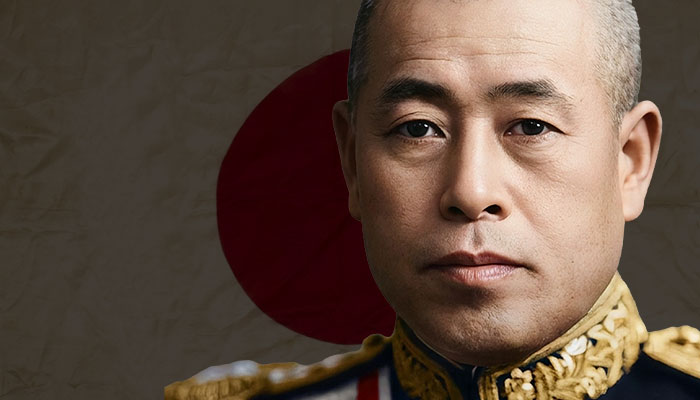
- Portrait:
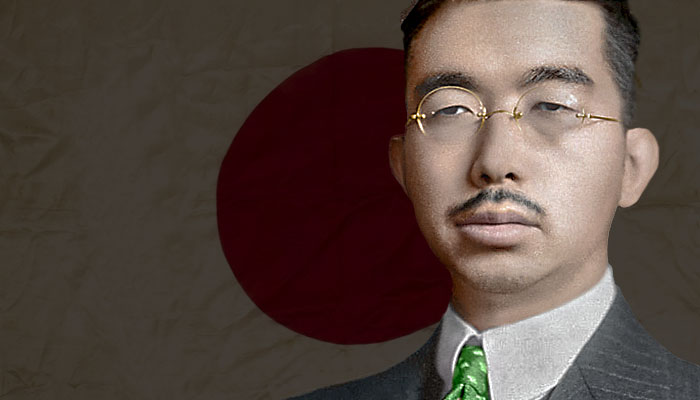
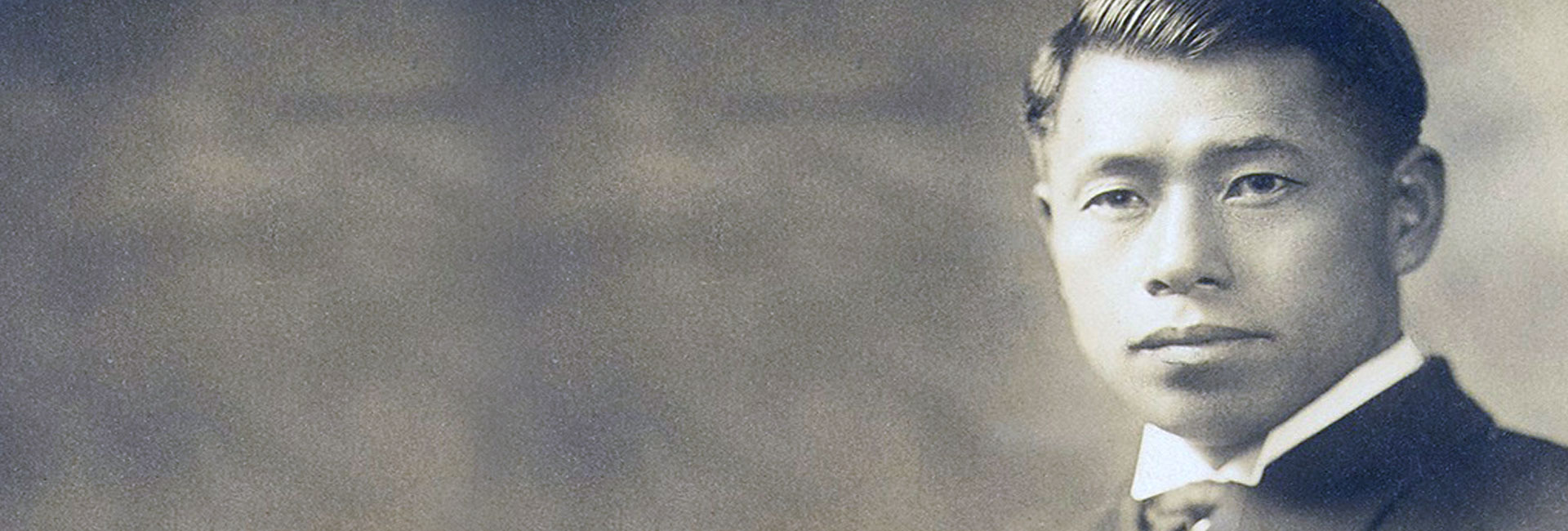
- Background sildeshow:
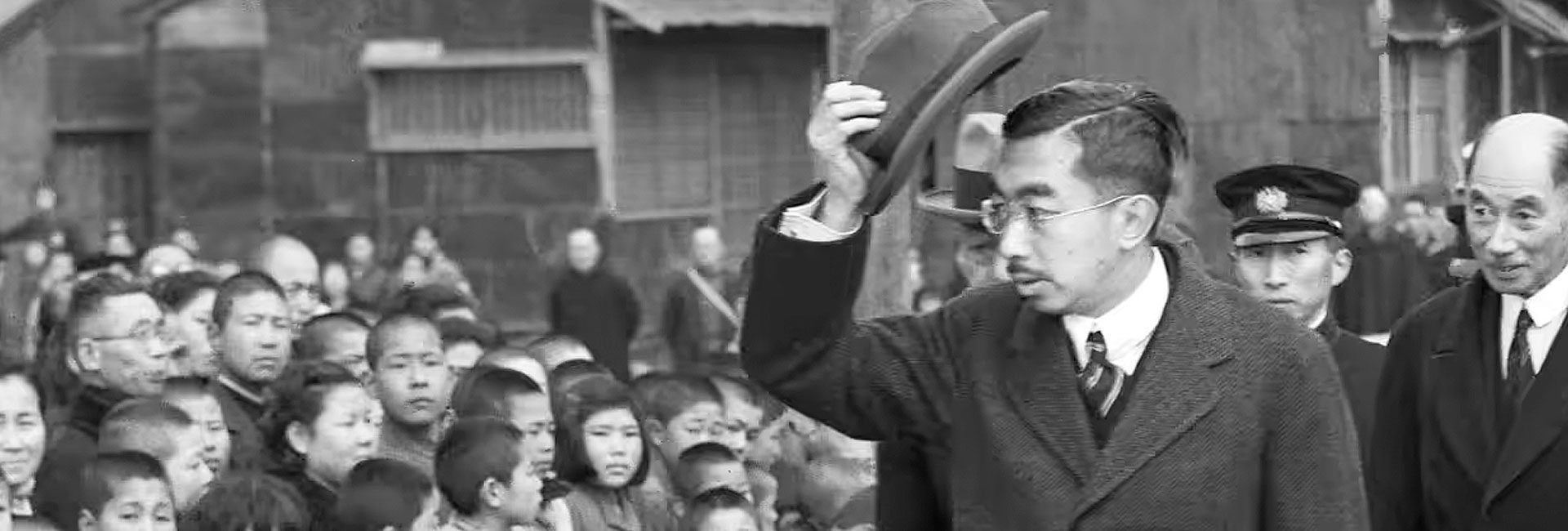
- Nationality commander: Japan
- Flag:
- Nickname: Hirohito or Emperor Shōwa
- Born: April 29, 1901
- Place of birth: Tōgū Palace, Aoyama, Tokyo, Empire of Japan
- Died: January 7, 1989
- Place of death: Fukiage Palace, Tokyo, Japan
- Highest rank : Emperor of Japan
- External website: Visit Website
- Signature:

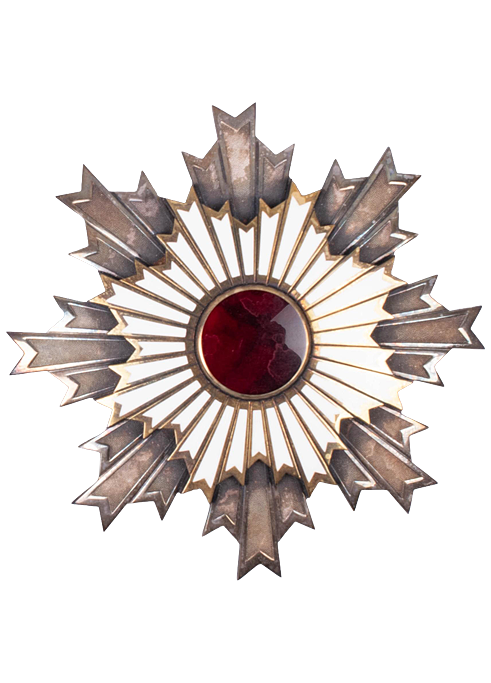
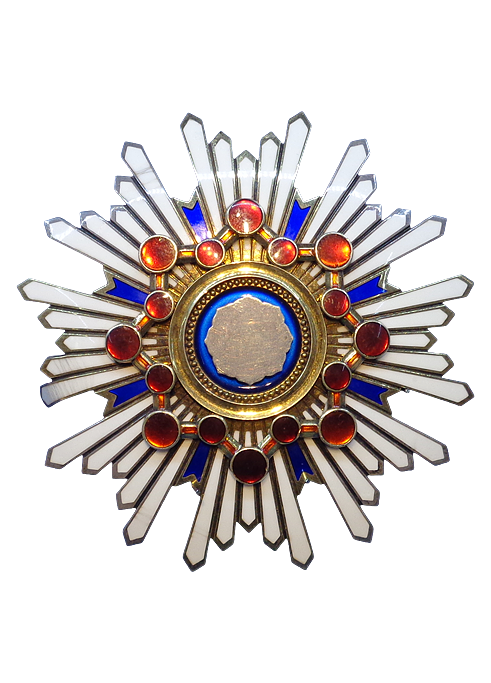
- Medals:
- Medal:
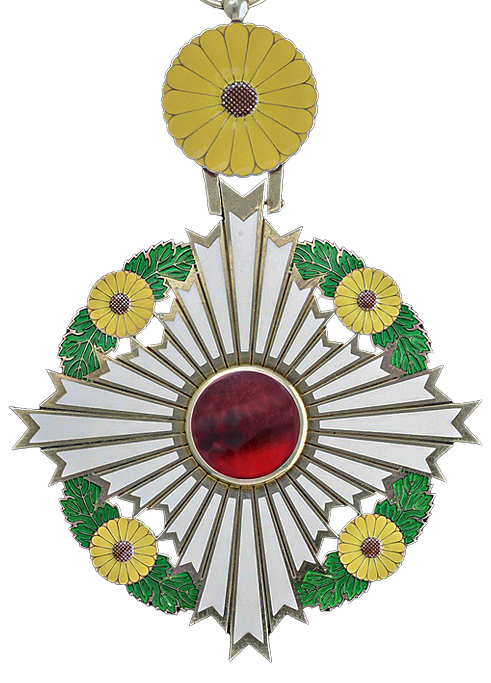 , Name of medal:
Supreme Order of the Chrysanthemum
, Name of medal:
Supreme Order of the Chrysanthemum - Medal:
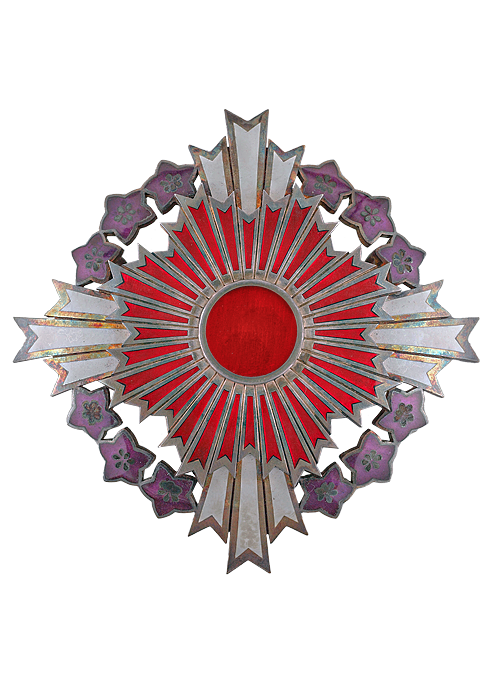 , Name of medal:
Order of the Rising Sun with Paulownia Blossoms
, Name of medal:
Order of the Rising Sun with Paulownia Blossoms - Medal:
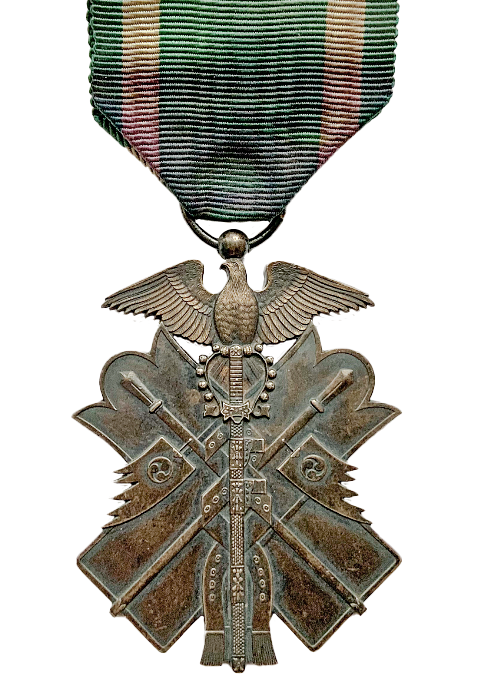 , Name of medal:
Order of the Golden Kite
, Name of medal:
Order of the Golden Kite - Medal:
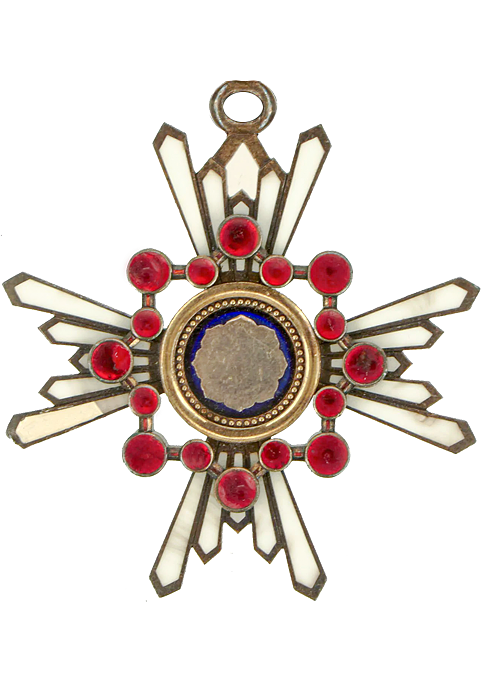 , Name of medal:
Order of the Sacred Treasure
, Name of medal:
Order of the Sacred Treasure
- Medal:
Hirohito (29 April 1901 – 7 January 1989), posthumously known as Emperor Shōwa, was the 124th Emperor of Japan and reigned from 1926 until his death in 1989, making him one of the longest-serving monarchs in Japanese history. As Japan's head of state during the Second World War, Hirohito presided over a period of rapid military expansion, the war in the Pacific and Japan's eventual defeat in 1945. Historians continue to debate the extent of his personal involvement in Japan's wartime decision-making, but his reign encompassed some of the most significant events of the twentieth century, including the attack on Pearl Harbor, the atomic bombings of Hiroshima and Nagasaki, and Japan's surrender to the Allied Powers. After the war, Hirohito remained emperor under Japan's new constitution and became a symbol of the nation's post-war recovery and transformation into a peaceful constitutional monarchy.
Quick Facts
Full name: Michinomiya Hirohito
Posthumous name: Emperor Shōwa (Shōwa Tennō)
Born: 29 April 1901, Aoyama Palace, Tokyo, Japan
Died: 7 January 1989, Tokyo, Japan
Age at death: 87
Nationality: Japanese
Position: Emperor of Japan (1926–1989)
Reign: 25 December 1926 – 7 January 1989
Known for: Emperor of Japan during the Second World War, Japan's surrender in 1945 and the country's post-war reconstruction
Successor: Emperor Akihito
Early Life
Hirohito was born on 29 April 1901 in Tokyo, Japan. He was the eldest son of Crown Prince Yoshihito, later Emperor Taishō, and Crown Princess Sadako, later Empress Teimei. After his death, Hirohito became officially known in Japan as Emperor Shōwa, after the era of his reign. Hirohito was born into the Japanese imperial family at a time when Japan was rapidly becoming a modern power. The country had defeated China in the First Sino-Japanese War and would soon defeat Russia in the Russo-Japanese War. Japan was no longer an isolated island nation. It was becoming an industrial, military and imperial power.
As a young prince, Hirohito was raised within the traditions of the imperial household. His life was highly controlled, formal and separated from ordinary society. From the beginning, he was prepared for a role that combined religion, politics, tradition and national symbolism.
Crown Prince Hirohito
Hirohito became crown prince in 1916. His father, Emperor Taishō, suffered from poor health, and Hirohito gradually assumed a more important public role within the imperial system. In 1921, Hirohito became Prince Regent, effectively ruling in his father's name. This gave him early experience in affairs of state before he officially became emperor.
Japan in the early twentieth century was already one of the major powers of the world. It had a strong navy, an expanding empire and a growing industrial economy. The young crown prince inherited a country that was confident, ambitious and increasingly influenced by military thinking.
Tour of Europe
In 1921, Hirohito made an important tour of Western Europe, becoming the first Japanese crown prince to travel abroad. He visited countries including the United Kingdom, France, Belgium, the Netherlands and Italy. The tour exposed Hirohito to European monarchies, modern industry, diplomacy and international politics. It also strengthened Japan's image as a modern great power. The visit made a strong impression on Hirohito. Throughout his life, he remained interested in science, marine biology and the wider world beyond Japan's imperial court.
Marriage and Family
On 26 January 1924, Hirohito married Princess Nagako of Kuni, later known as Empress Kōjun. Their marriage connected two branches of the Japanese imperial family and was closely watched by the public. The couple had seven children. Their eldest son, Akihito, was born on 23 December 1933 and later succeeded Hirohito as emperor of Japan.
The imperial family was often presented as a symbol of national continuity, stability and tradition. During the militarized years before and during the Second World War, the emperor's family also played an important role in public symbolism and state ceremony.
Becoming Emperor
Hirohito became emperor on 25 December 1926 after the death of his father, Emperor Taishō. His reign was named the Shōwa era, meaning roughly "enlightened peace" or "radiant harmony." The name would become deeply ironic. Hirohito's reign included war in China, the Pacific War, atomic bombings, defeat, occupation, reconstruction and Japan's transformation into a constitutional democracy.
Under the Meiji Constitution, the emperor was formally the head of state and supreme commander of the armed forces. In practice, the extent of Hirohito's personal responsibility and decision-making power remains one of the most debated questions in modern Japanese history.
Japan Between the Wars
During the 1920s and 1930s, Japan experienced political instability, economic crisis and growing militarism. Civilian politicians struggled to control the armed forces, while nationalist officers increasingly pushed for expansion in Asia. The army and navy had powerful independent positions within the Japanese state. Military leaders could influence policy directly, and assassinations and political violence weakened democratic government.
Hirohito reigned over a system in which military power grew steadily. Whether he acted as a restrained constitutional monarch, an active participant or something between the two remains the central question of his wartime legacy.
The Invasion of Manchuria
In 1931, Japanese officers staged the Mukden Incident, which led to the invasion of Manchuria. Japan soon created the puppet state of Manchukuo. The invasion marked a major step in Japan's imperial expansion. It also showed how military officers could act aggressively and then force the government to accept the results.
Hirohito was troubled by some aspects of military insubordination, but Japan's expansion continued. The Manchurian crisis damaged Japan's international reputation and helped push the country away from cooperation with Western powers.
The War in China
In 1937, full-scale war broke out between Japan and China after the Marco Polo Bridge Incident. The conflict became one of the largest and most brutal wars in Asia before and during the Second World War. Japanese forces captured major cities including Shanghai and Nanjing. The fall of Nanjing was followed by mass killings, rape and atrocities committed by Japanese troops, known as the Nanjing Massacre.
Hirohito's role in the war in China remains controversial. Historians have shown that he was informed about military operations and took an interest in strategy. The extent to which he directed, approved or failed to restrain the military remains a major subject of debate.
Relations with Germany and Italy
As Japan became more isolated internationally, it moved closer to Nazi Germany and Fascist Italy. These relationships were partly ideological, partly strategic and partly directed against the Soviet Union and the Western colonial powers. Japan had already signed the Anti-Comintern Pact with Germany in 1936. The agreement was officially directed against communism but also reflected the growing alignment of aggressive revisionist powers.
Hirohito sometimes expressed caution about Japan's diplomatic direction, but the influence of the military and nationalist leadership continued to grow.
The Tripartite Pact
On 27 September 1940, Japan signed the Tripartite Pact with Nazi Germany and Fascist Italy. The agreement created the Axis alliance between the three powers. The pact aimed to deter the United States from intervening in Asia and Europe. It also strengthened Japan's political and military connection to Hitler's Germany. For Japan, the pact was part of a broader strategy to secure freedom of action in China, Southeast Asia and the Pacific. It also increased tensions with the United States, Britain and the Netherlands.
Pearl Harbor and the Pacific War
On 7 December 1941 in Hawaii, Japanese carrier aircraft attacked the American naval base at Pearl Harbor. Because of the time difference, the attack was dated 8 December 1941 in Japan. At the same time, Japanese forces attacked across the Pacific and Southeast Asia, including Hong Kong, the Philippines, Malaya and other territories. The Pacific War had begun. The attack brought the United States fully into the Second World War. It also placed Hirohito at the center of one of the most consequential wars in world history.
Hirohito's Role as Supreme Commander
Under Japan's wartime system, Hirohito was formally the supreme commander of the army and navy. Military orders were issued in his name, and commanders reported through imperial channels. For decades after the war, Hirohito was often portrayed as a passive constitutional figurehead who had been unable to control the military. Later historians challenged this view, arguing that he was better informed and more involved than the post-war image suggested.
The truth is complex. Hirohito did not personally command battlefield units like a field marshal, but he received reports, asked questions, approved decisions and sometimes intervened in military matters. His responsibility for Japan's wartime actions remains one of the most controversial issues of the twentieth century.
Isoroku Yamamoto and the Naval War
One of the most important Japanese commanders serving during Hirohito's reign was Admiral Isoroku Yamamoto, Commander-in-Chief of the Combined Fleet. Yamamoto understood the danger of a prolonged war against the United States, but once war became unavoidable, he planned the attack on Pearl Harbor. Yamamoto's early victories gave Japan enormous prestige, but defeats at Midway and in the Solomon Islands showed the limits of Japanese power. His death during Operation Vengeance in 1943 was a major blow to Japanese morale.
The emperor's relationship with commanders such as Yamamoto reflected the wider structure of wartime Japan, where military leaders operated under imperial authority but often drove policy through army and navy institutions.
The Turning of the Tide
Japan's first months of war brought rapid victories. However, the tide began to turn in 1942. The Battle of the Coral Sea halted Japanese expansion toward Port Moresby, and the Battle of Midway in June 1942 destroyed four Japanese fleet carriers. The American landing on Guadalcanal in August 1942 began a long struggle of attrition in the Solomon Islands. Japan's early advantage declined as American industry produced ships, aircraft and weapons on a scale Japan could not match.
Hirohito continued to receive reports and followed military developments closely. As the war worsened, the information reaching the palace became increasingly shaped by military politics, optimism and fear of admitting failure.
Saipan, Leyte Gulf and Okinawa
The fall of Saipan in July 1944 was a major turning point. It brought American bombers within range of the Japanese home islands and led to a political crisis in Tokyo. In October 1944, Japan suffered a major naval defeat at the Battle of Leyte Gulf, one of the largest naval battles in history. The defeat crippled Japan's ability to conduct large-scale naval operations. The Battle of Okinawa in 1945 brought the war to Japan's doorstep. The battle was catastrophic, with enormous military and civilian casualties. It showed how costly an invasion of the Japanese home islands might be.
The Atomic Bombs
On 6 August 1945, the United States dropped an atomic bomb on Hiroshima. On 9 August 1945, a second atomic bomb was dropped on Nagasaki. The bombings caused massive destruction and civilian deaths. They also shocked Japan's leadership and changed the final calculations of the war. At the same time, the Soviet Union declared war on Japan and invaded Japanese-held territories in Manchuria. The combination of atomic bombing, Soviet entry and military collapse forced Japan's leaders to confront surrender.
Japan's Surrender
In August 1945, Japan's leaders were divided over whether to accept the Allied demand for surrender. Some military leaders wanted to continue fighting, hoping to force better terms through a final defense of the homeland. Hirohito intervened in favor of surrender. His decision was decisive. On 15 August 1945, his recorded voice was broadcast to the Japanese people in the Gyokuon-hōsō, the Jewel Voice Broadcast.
It was the first time many Japanese people had heard the emperor's voice. The broadcast announced that Japan would accept the terms of surrender, though it used formal language that many listeners found difficult to understand.
The Gyokuon-hōsō Broadcast
The Gyokuon-hōsō was one of the most important broadcasts in Japanese history. Hirohito stated that the war situation had developed in a way "not necessarily to Japan's advantage" and referred to a "new and most cruel bomb." The broadcast ended Japan's war and prevented further catastrophic fighting on the home islands. However, it did not include a direct personal admission of guilt for Japan's aggression or war crimes.
For many Japanese, the broadcast marked the collapse of the world they had known. For people across Asia who had suffered under Japanese occupation, it marked the end of years of violence, forced labor, imprisonment and oppression.
General Douglas MacArthur
After Japan's surrender, the country was occupied by Allied forces under General Douglas MacArthur, the Supreme Commander for the Allied Powers. MacArthur decided that retaining the emperor would help stabilize Japan and make occupation easier. Hirohito was therefore not tried as a war criminal, unlike many Japanese military and political leaders. The famous meeting between Hirohito and MacArthur became a symbol of Japan's defeat and transformation. The emperor, once presented as a sacred figure, now stood beside the American general who directed the occupation.
The Humanity Declaration
Before and during the war, the emperor had been surrounded by religious and political ideas that presented him as sacred and central to the Japanese state. In 1946, Hirohito issued what became known as the Humanity Declaration. The declaration rejected the idea that the emperor was a living god in the political sense used by wartime state ideology. It was part of the broader transformation of Japan from militarist empire to constitutional monarchy. The change did not erase the past, but it helped redefine the emperor's role in post-war Japan.
The War Crimes Controversy
The question of Hirohito's responsibility for Japanese war crimes remains deeply contested. During the war, Allied propaganda often presented him alongside Adolf Hitler and Benito Mussolini as one of the Axis dictators. After the war, American occupation policy encouraged a different image: Hirohito as a limited monarch who had been used by the military. This interpretation helped preserve the imperial institution and support Japan's post-war reconstruction.
Many later historians have argued that Hirohito was more involved in wartime decision-making than the post-war image allowed. They point to his interest in military operations, his approval of policies and his role as supreme commander. Others stress the constraints of the Japanese political system and the power of the army and navy.
The New Constitutional Emperor
Japan's post-war constitution, which came into effect in 1947, transformed the emperor into a symbol of the state and of the unity of the people. Sovereignty now rested with the people rather than the emperor. Hirohito lost his political and military powers. His role became ceremonial and symbolic. He attended public events, received foreign visitors and represented continuity during Japan's recovery. This transformation allowed the imperial institution to survive, but it also meant that many questions about wartime responsibility remained unresolved.
State Visits and Reconciliation
In the post-war decades, Hirohito made state visits abroad, including visits to the United Kingdom and the Netherlands. These visits were often controversial, especially in countries and communities that had suffered under Japanese occupation. In the Netherlands, memories of the Japanese occupation of the Dutch East Indies and the suffering of prisoners in Japanese camps remained strong. Hirohito's visit in 1971 was met with protests. Hirohito expressed regret for the war in formal diplomatic language, but he did not offer the kind of personal apology many victims had hoped for.
Personal Life
Hirohito was known for his interest in marine biology. He studied marine organisms and published scientific work. This interest offered a private identity very different from his public role as emperor. He was often described as formal, reserved and shy. His public appearances in the post-war period presented him as a modest constitutional monarch rather than a wartime ruler. His long marriage to Empress Kōjun and his position as father of the imperial family remained central to his public image in post-war Japan.
Death
In 1987, Hirohito underwent surgery after doctors discovered cancer. His health declined again in 1988, and he suffered from internal bleeding during his final months. Hirohito died on 7 January 1989 in Tokyo at the age of 87. His death ended the Shōwa era, one of the longest and most dramatic reigns in Japanese history. He was succeeded by his son Akihito, whose reign became known as the Heisei era.
Funeral and Burial
Hirohito's state funeral was held on 24 February 1989. It was attended by many world leaders and marked the formal farewell to the emperor who had reigned over Japan from imperial expansion to post-war democracy. He was buried in the Musashi Imperial Graveyard in Hachiōji, alongside his father, Emperor Taishō. His posthumous name, Emperor Shōwa, remains the official name used for him in Japan.
Legacy
The legacy of Hirohito, or Emperor Shōwa, is complex and deeply contested. He reigned during Japan's imperial expansion, the war in China, the Pacific War, defeat, occupation and post-war recovery. To some, he became a symbol of continuity and reconstruction after 1945. To others, especially in countries that suffered under Japanese occupation, he remains associated with war, oppression and unresolved responsibility. His long reign connected two very different Japans: the militarized empire that fought a devastating war, and the post-war constitutional state that became an economic power.
Understanding Hirohito means confronting difficult questions about monarchy, responsibility, war, memory and the political choices made after Japan's surrender. His life and death remain central to the history of Japan and the Second World War in the Pacific.
Awards and Decorations
Emperor Hirohito received many Japanese and foreign honors during his lifetime. As emperor, he was sovereign of Japan's own orders, including the Order of the Chrysanthemum, the highest Japanese order. He was also connected to several foreign orders. In 1929, he became a Knight of the Order of the Garter in the United Kingdom, but this honor was removed during the war. He was later reinstated in 1971. His decorations reflected both Japan's imperial traditions and the changing diplomatic relationships of the twentieth century.
Key Dates
29 April 1901: Born at Aoyama Palace in Tokyo, Japan.
1916: Named Crown Prince of Japan.
1921: Became the first Japanese Crown Prince to visit Europe.
26 January 1924: Married Princess Nagako (later Empress Kōjun).
25 December 1926: Ascended the Chrysanthemum Throne following the death of Emperor Taishō.
1931: Japan invaded Manchuria, marking the beginning of Japanese territorial expansion in East Asia.
7 December 1941: Japan attacked Pearl Harbor, bringing the United States into the Second World War.
15 August 1945: Announced Japan's acceptance of the Allied surrender terms in the historic Jewel Voice Broadcast.
1 January 1946: Issued the Humanity Declaration, renouncing the traditional belief in the emperor's divinity.
3 May 1947: Became constitutional monarch under Japan's new post-war constitution.
7 January 1989: Died in Tokyo after a reign of more than sixty-two years, the longest in Japan's modern history.