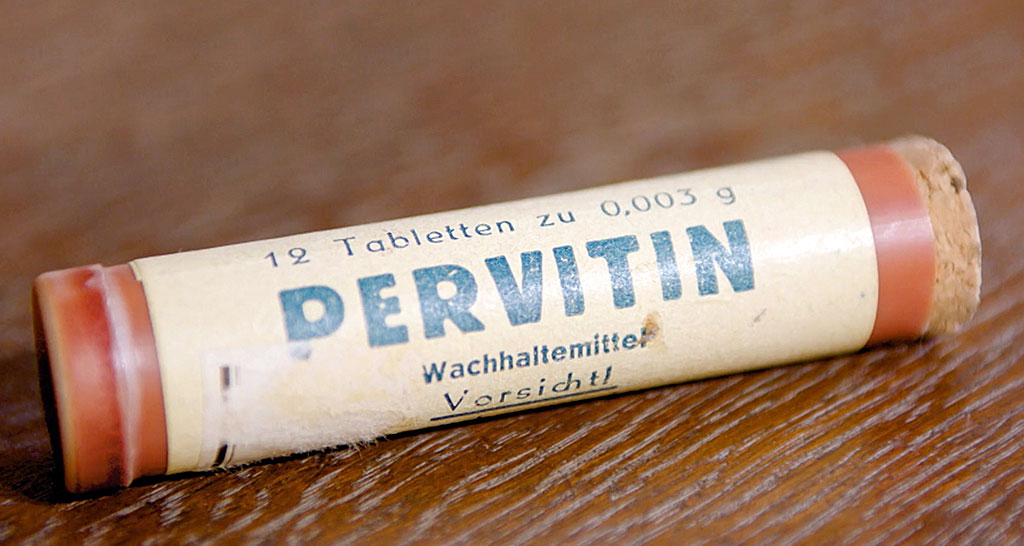
The invisible front: Hygiene, Stimulants, and Survival in WW2. While history books focus on Tiger tanks and Spitfires, the average soldier’s daily reality was a desperate struggle against a different kind of enemy: disease and exhaustion. In a war where more soldiers were often hospitalized for "non-battle injuries" than combat wounds, the contents of a shaving kit or a small pill tin could be the difference between life and death.
Historical fact-check
Common Myth: "German soldiers took Ritalin to stay awake."
Historical Reality: Ritalin was synthesized in 1944 but not used in the war. German troops relied on Pervitin (methamphetamine), which they called "Panzerschokolade."
Common Myth: "Allies were 'clean' of drugs."
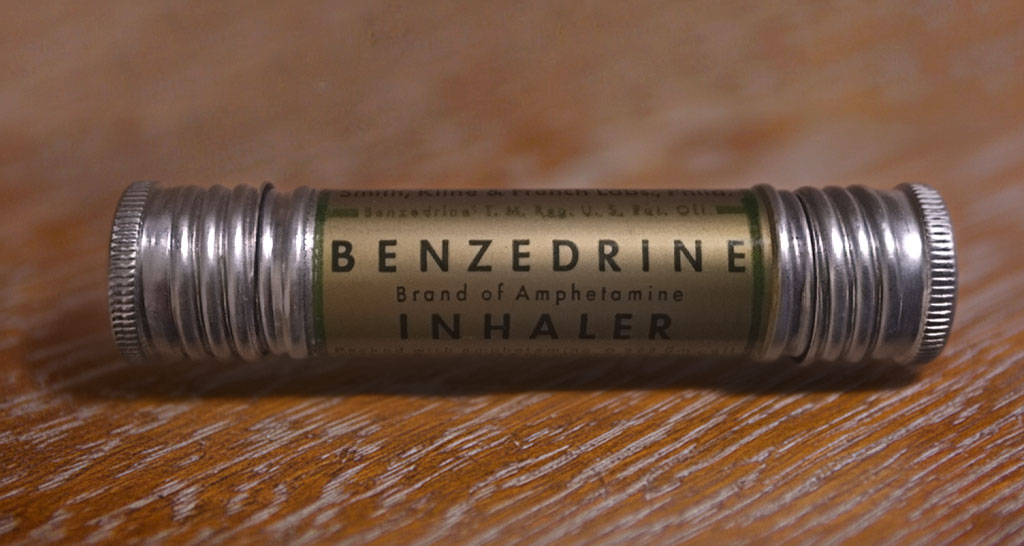
Historical Reality: US and UK forces systematically issued Benzedrine (amphetamines) to bomber crews and paratroopers to combat fatigue during extended missions.
The battlefield washroom: shaving for survival
For a soldier in 1944, personal hygiene wasn't about vanity, it was about military readiness.
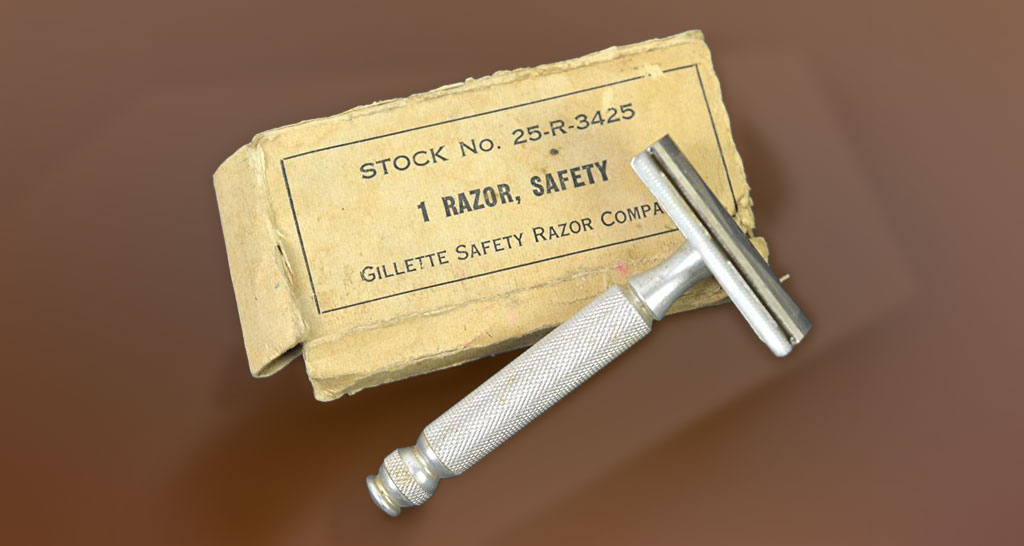
The gas mask rule: Why was the US Army so obsessed with being clean-shaven in a foxhole? It wasn't just for "discipline." To survive a chemical attack, a gas mask requires a perfect, airtight seal against the skin. Stubble or a beard could create a leak, making a razor a literal life-saving tool.
The M1 "Washbasin": The iconic steel helmet served a double life. When not protecting a soldier's head, it was the primary bowl for heating water over a small fire to shave, wash, or even cook.
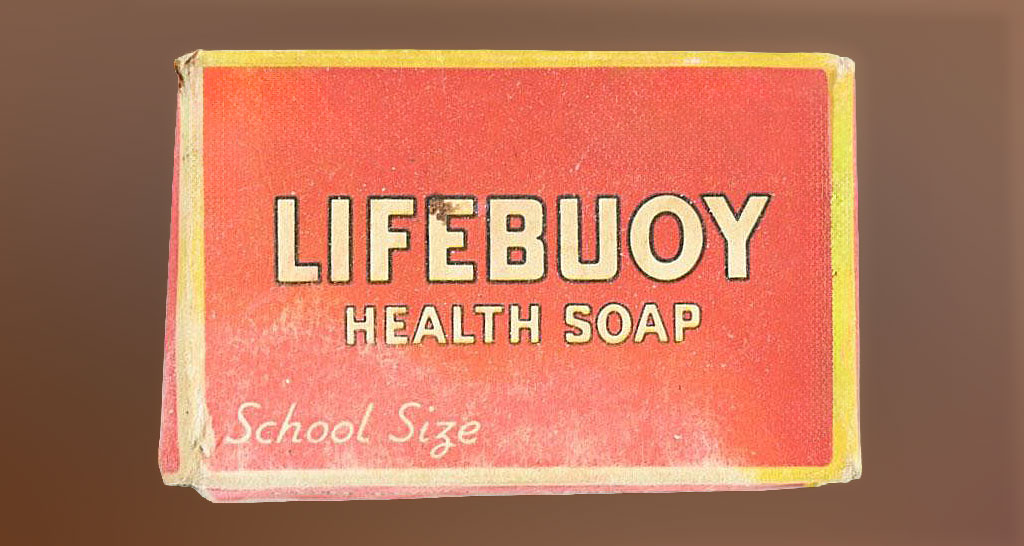
The G.I. kit: A standard US hygiene kit included a safety razor (often by Gillette), a toothbrush, toothpowder (preferred over paste as it didn't freeze or leak), and a harsh, all-purpose yellow bar of "G.I. Soap."
The war on the "Silent Killers"
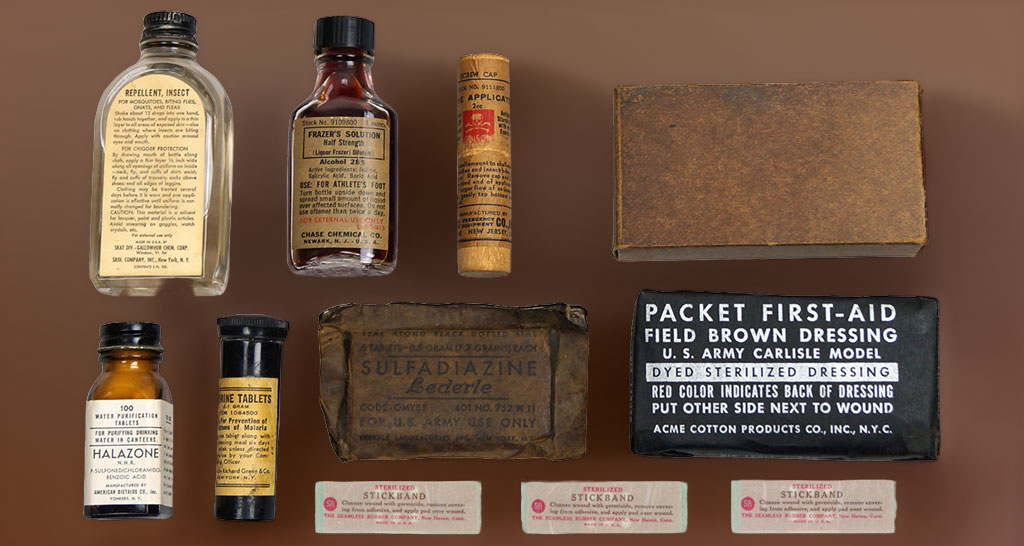
Military commanders feared the "big three": Typhus, Dysentery, and Trench Foot.
Typhus & lice: Before the mass deployment of DDT powder in 1943, body lice were a constant plague. Soldiers used the "Hindenburg-Licht" (fat candles) to literally burn lice out of the seams of their wool uniforms.
The sock exchange: "Trench Foot" could rot a soldier's feet in days if they stayed damp. Officers performed mandatory "Foot Inspections," and soldiers were ordered to carry at least one dry pair of socks against their skin to keep them warm using body heat.
The pharmacological arms race: the German granddaddy of Crystal Meth
The story of military stimulants begins in 1938 with the Berlin-based drug maker Temmler Werke. When they launched their methamphetamine compound, it caught the eye of high-ranking army physiologist Otto Ranke. He saw it as a "Miracle drug" that could keep pilots alert and an entire army euphoric.
After testing the drug on sleep-deprived university students in 1939, the Wehrmacht began distributing millions of tablets to the front lines. Soldiers soon dubbed the stimulant "Panzerschokolade" ("Tank chocolate"). While British newspapers reported on this mysterious "Miracle pill" that made the Blitzkrieg possible, the miracle quickly turned into a nightmare for the men on the ground.
As enticing as the drug was, the long-term effects were devastating. Soldiers quickly became addicted, suffering from sweating, dizziness, depression, and hallucinations. Some died of heart failure, while others shot themselves during psychotic breaks. Even Leonardo Conti, the Third Reich's top health official, tried to limit the drug's use due to these side effects, but he was ultimately unsuccessful in stopping the momentum of the "Miracle pill."
The "Wakey-Wakey" pills
One of the most controversial aspects of WWII was the systematic use of stimulants to create "super-soldiers."
The Axis: Pervitin (methamphetamine)
The German Blitzkrieg was fueled by Pervitin. In 1940 alone, the Wehrmacht distributed 35 million tablets to troops entering France. It allowed tank crews to drive for 48–72 hours without sleep, but the cost was "Pervitin Psychosis" and massive physical crashes.
The Allies: Benzedrine (amphetamine)
The Allies weren't "clean" either. After discovering Pervitin in downed German planes, the British and Americans issued Benzedrine (amphetamines) to bomber pilots and paratroopers. By 1945, the US military had dispensed roughly 500 million amphetamine tablets.
Addiction at the top: the reichsmaster of injections
The extent of Adolf Hitler's drug use remains a subject of intense historical debate. Hitler was in close daily contact with Dr. Theodor Morell, who in 1936 prescribed him cultures of live bacteria to ease digestive ailments. Hitler soon made Morell his personal physician.
Morell's popularity among Hitler's inner circle plummeted as his methods became more extreme. He was sarcastically dubbed by Hermann Göring as "The Reichsmaster of the Injections." Morell eventually prescribed everything from powder Cocaine, to soothe Hitler's throat and clear his sinuses, to various hormone injections and glucose. While close allies raised concerns about Morell’s influence, Hitler sharply rebuked them, remaining dependent on his doctor until the end.
US Army (Allies)
Stimulant
Benzedrine (Amphetamine)
Soap
Lifebuoy / Palmolive / G.I.
Water Tech
Canvas Lister Bags
Footwear
Wool Socks (Standard)
Wehrmacht (Axis)
Stimulant
Pervitin (Methamphetamine)
Soap
Kernseife (All-purpose)
Water Tech
Steel "Jerry Cans"
Footwear
Fusslappen (Foot wraps)
Conclusion
The soldiers of WWII didn't just fight an enemy across a field; they fought the limits of the human body. Between the mandatory shaves, the chlorine-flavored water, and the pharmacological "boosts" used from the trenches to the Chancellery, the war was a high-stakes battle against nature itself.