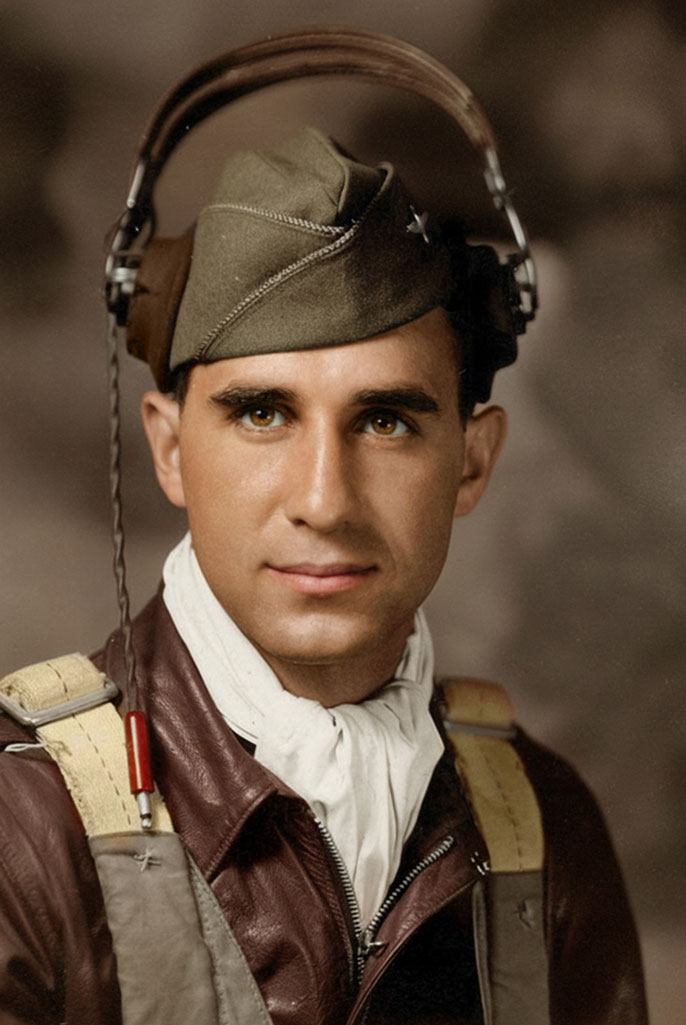
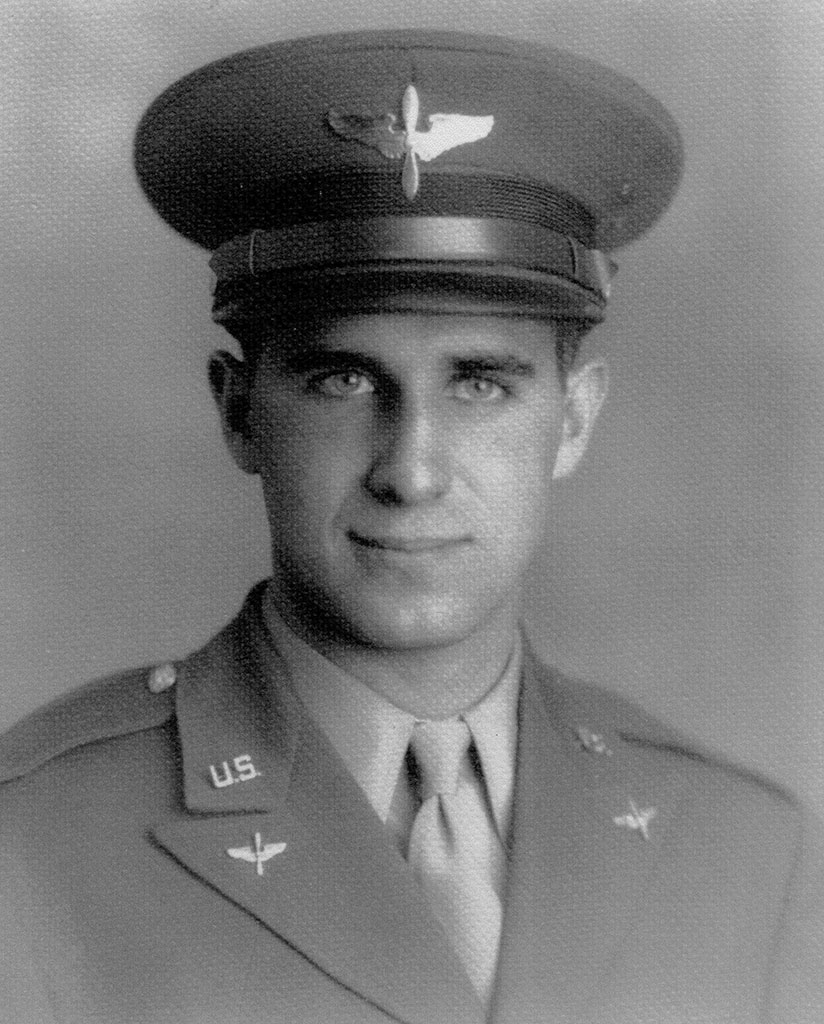
Robert B. Purdy (Bob) was born in 1919 in Sturgeon Bay, Wisconsin, the second son of Elinor Purdy (née Harris), a nurse aide and Harry M. Purdy, a Cadillac engineer. Raised in Michigan, Bob was a curious and adventurous child, captivated by aviation from a young age. Inspired by Charles Lindbergh's historic solo transatlantic flight, he spent hours around airports and flying model planes, developing a lifelong fascination with flight.
Military Service
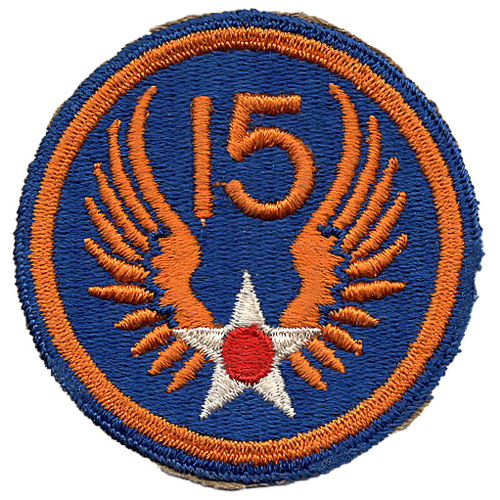
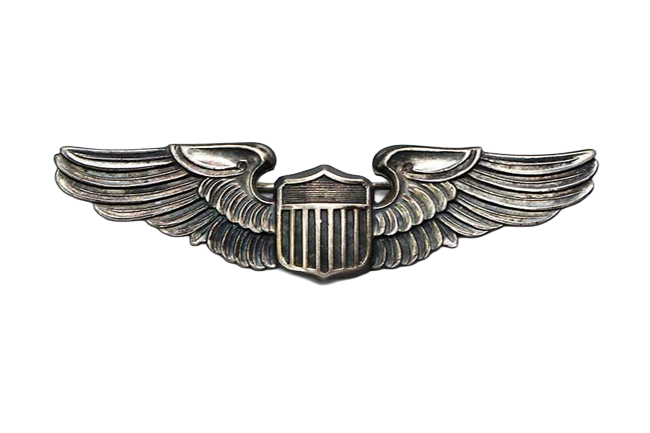
The outbreak of World War II changed Bob's life forever. Following the Japanese attack on Pearl Harbor on December 7, 1941, Bob enlisted in the U.S. Army Air Corps alongside his brothers, Harry and Alan, to serve against the Axis powers.
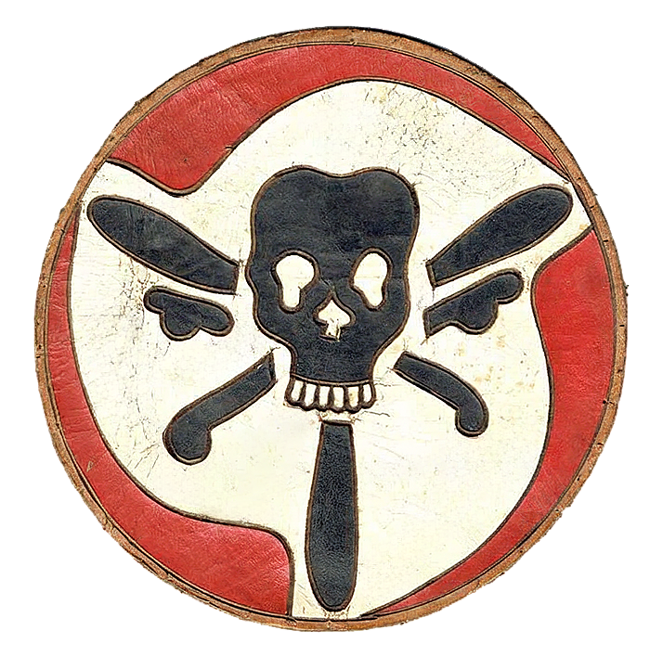
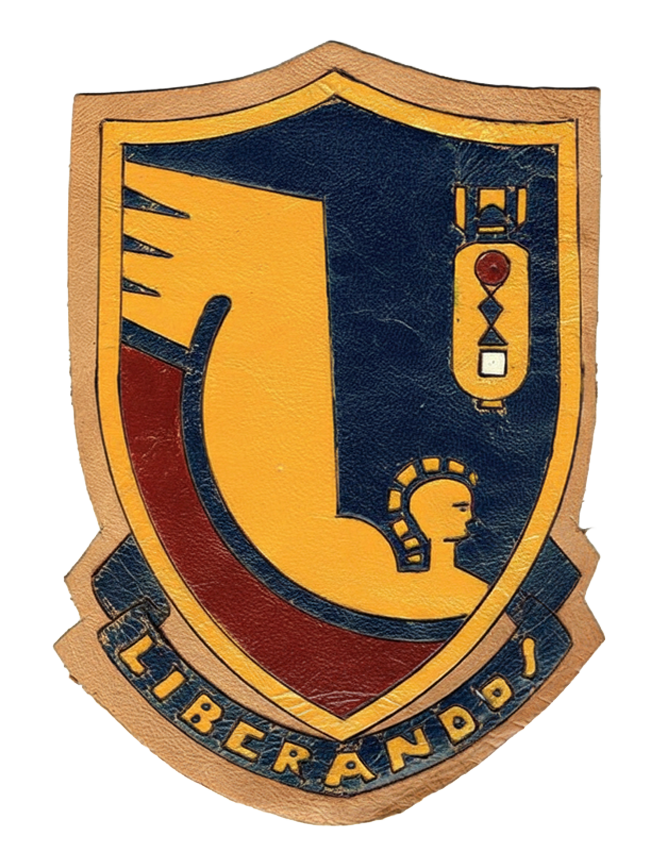
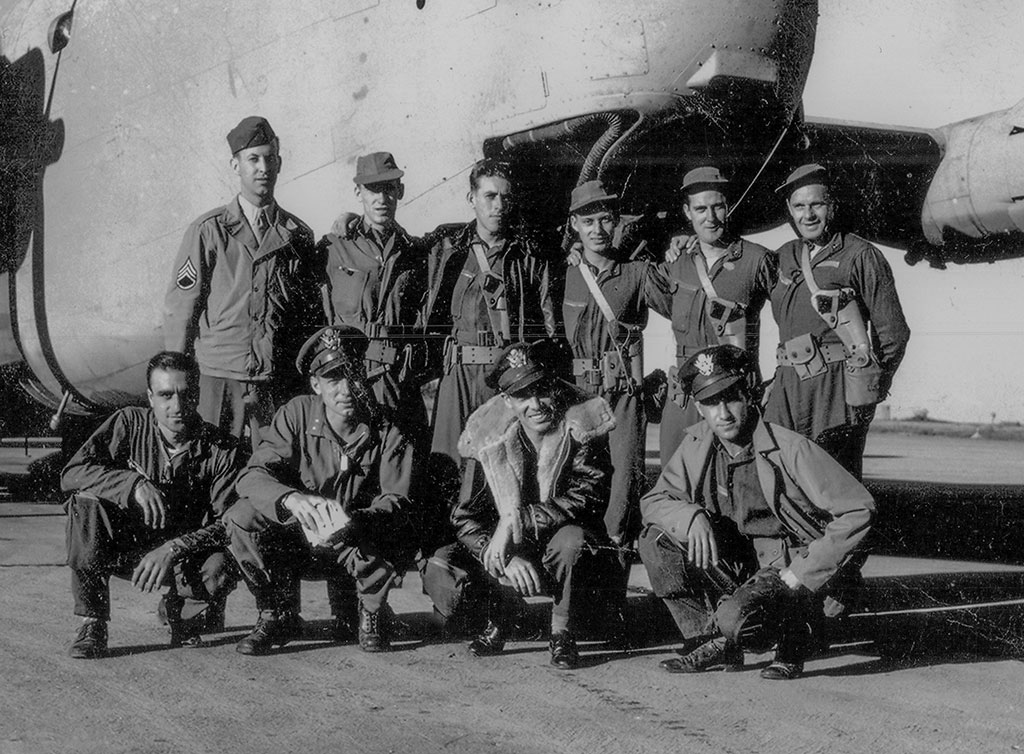
Bob became a First Lieutenant and co-pilot in the 512th Bomb Squadron of the 376th Bomb Group, flying B-24 Liberators. He had volunteered to replace a co-pilot who fell seriously ill, joining a crew that needed to deploy overseas immediately. After ferrying a new B-24 through the Southern route, stopping in Algiers and Casablanca for combat preparations, he arrived in Tunisia as a replacement crew member. He completed 17 combat missions over Nazi-occupied Europe.
On December 28, 1943, Bob was assigned to the B-24 Liberator Bomb Boogie (#42-40229) at the last minute as co-pilot for a mission over Vicenza, Italy, flying with crew members he barely knew. The aircraft was attacked by German fighters and sustained critical damage. Four crew members were killed in action, one escaped to Allied lines and Bob, along with pilot James Collison and three other crew members, were captured and became prisoners of war (POWs).
Bob spent the next 18 months at Stalag Luft I in Barth, Germany, a POW camp operated by the German Luftwaffe specifically for Allied aircrew. Conditions were harsh, with cold, hunger and the constant threat of disease, but Bob survived and returned home after the war ended in 1945.
The 376th Bombardment Group
The 376th Heavy Bombardment Group, operating B-24 Liberators, played a critical role in strategic bombing campaigns across the European and Mediterranean theaters. Among its notable aircraft were the Strawberry Bitch, Lady Be Good and Liberandos Boomerang. The 512th Squadron, to which Bob was assigned, flew some of the most dangerous missions over Italy and Germany. The group's contributions were essential to achieving Allied air supremacy during the war.
Life after the war
After returning from service, Bob worked as a machinist and tool-and-die professional in Michigan and later in California. He taught machine technology at East Bay Skills Center and Southern Illinois University and earned a lifetime teaching credential in machine shop and related technologies from the University of California, Berkeley. Bob continued his passion for aviation, building a 16-foot-long VariEze fiberglass plane and earning the Outstanding Individual Achievement Award in 1981. In the later years of his life, he produced video projects documenting personal and historical stories, leaving a lasting record for his family and future generations.
Legacy
Bob's wartime experiences are preserved in A Sky Never Forgotten: A WWII Pilot's Journey Through War and Captivity, a memoir compiled from his letters, official records and 1996 audio recordings. The book documents his missions, the shootdown of Bomb Boogie and life as a POW at Stalag Luft I, providing an intimate and historically significant account of an airman's life during WWII.
Chronology
- 1919 – Born in Sturgeon Bay, Wisconsin
- 1937–1938 – Attended Wayne University Engineering School
- 1942 – Enlisted in the Army Air Corps with brothers Harry and Alan
- 1943 – Served as First Lieutenant and B-24 co-pilot; flew 17 combat missions
- December 28, 1943 – Shot down over Vicenza, Italy; captured by German forces
- 1943–1945 – Prisoner of war at Stalag Luft I, Barth, Germany
- 1945 – Liberated and returned home
- 1945–1954 – Machinist, including positions at Chevrolet Forge
- 1969–1979 – Tool and Die Machinist at Johansen Machine Co.; taught Machine Technology at East Bay Skills Center
- 1973–1975 – Earned Lifetime California Teaching Credential in Machine Shop from UC Berkeley
- 1977–1979 – Assembled 16-foot VariEze fiberglass plane
- 1981 – Earned Outstanding Individual Achievement Award
- 1979–1984 – Taught at Southern Illinois University; elected Senior Member of the Society of Manufacturing Engineering
- 1985–1999 – Video production with Academy Award nominee Judy Mortell
- 2005 – Passed away
Preserving his story
The materials that informed this account include Bob's personal audio recordings made in 1996, letters he wrote to his wife Gladys from Stalag Luft I and official military documentation, including Missing Air Crew Report (MACR 1610). Together, they provide a detailed account of his life, military service and resilience, honoring the sacrifices and courage of his generation.
Story by Maida Purdy, Robert's daughter and author of the book "A Sky Never Forgotten: A WWII Pilot's Journey Through War and Captivity"