Early Life in Edinburgh
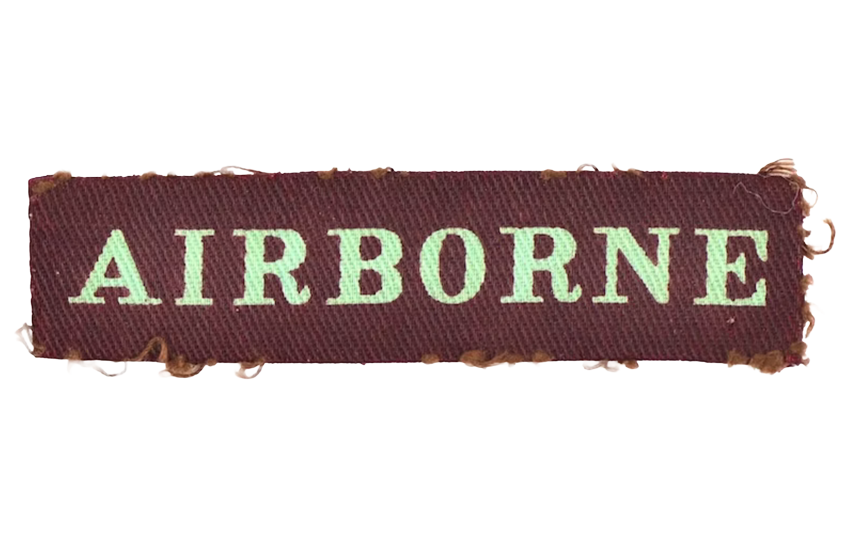
George "Jock" Moodie was born in Edinburgh, Scotland, in 20 February 1925. A keen footballer, he was expected to play for Heart of Midlothian FC (Hearts) until the Second World War changed the course of his life. When his call-up papers arrived, he hoped to join the Royal Air Force as a gunner. Instead, he was assigned to the Army. After serving with the Royal Scots for eight months, he saw a poster asking for volunteers for the Airborne Forces. The promise of an extra two shillings a week was enough to convince him and he immediately volunteered.
Becoming a Paratrooper
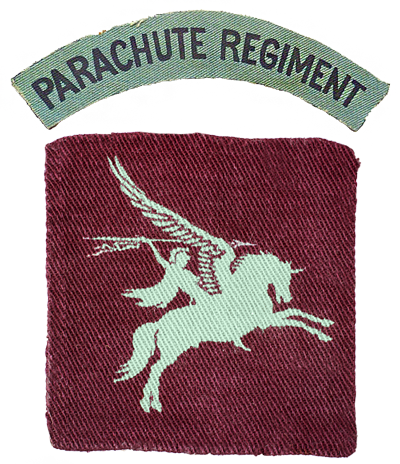
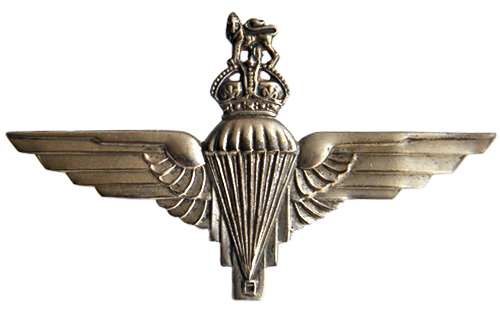
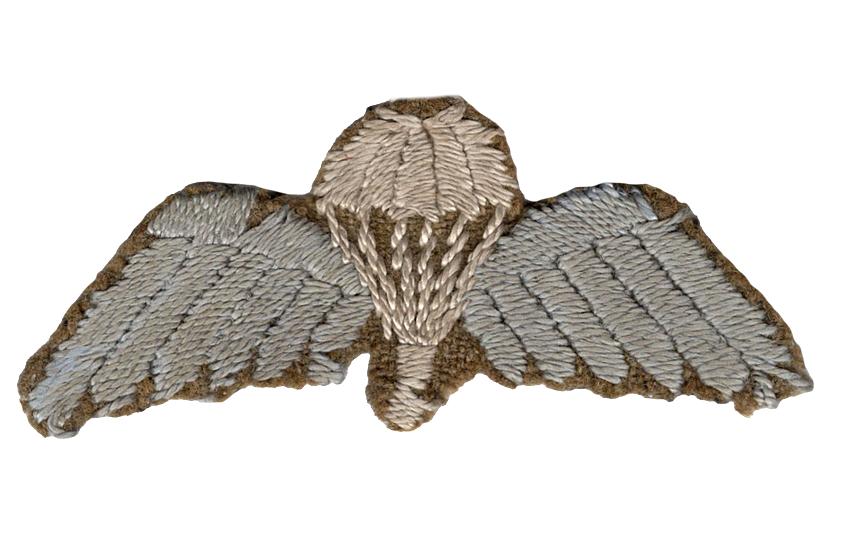
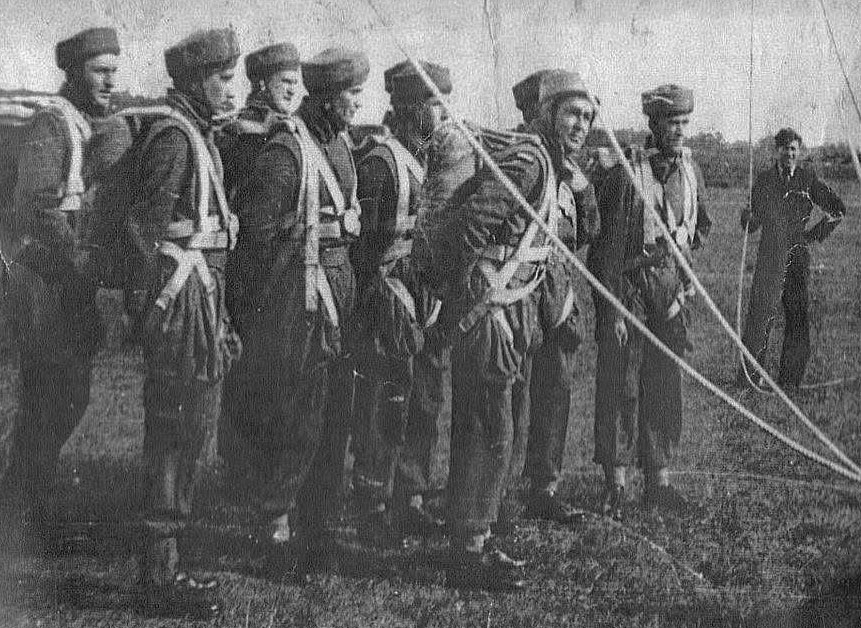
George soon found himself at Hardwick Hall, the Parachute Regiment training depot. After successfully completing his training, he was sent to RAF Ringway to earn his parachute wings. Having completed the required jumps, he was awarded the coveted maroon beret and parachute wings.
Further training followed, and his intake was divided between the 1st Airborne Division and the 6th Airborne Division.
The 9th Parachute Battalion
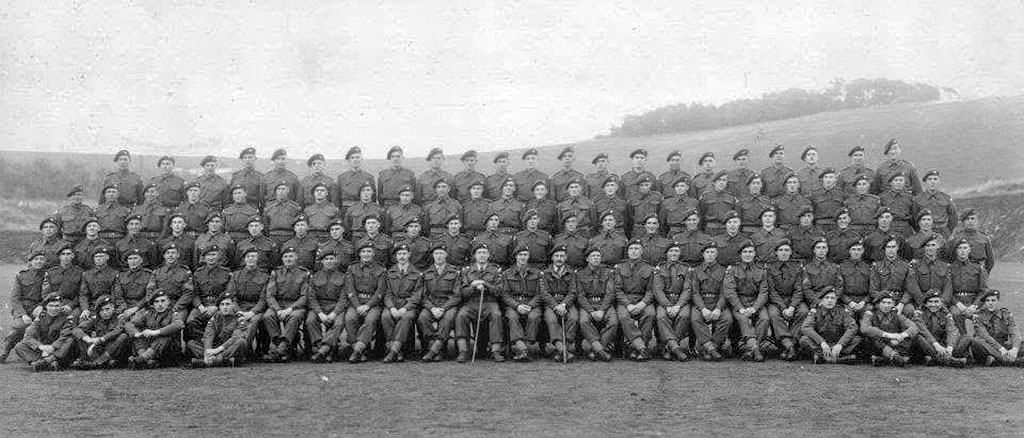
George was posted to the 9th Parachute Battalion, joining 12 Platoon, C Company under the command of Lieutenant Alan "Twinkle Toes" Jefferson. By early 1944, preparations for the invasion of Normandy were in full swing.
Major General Richard Gale and the 6th Airborne Division
Before the Normandy invasion, the men of the 6th Airborne Division underwent months of intensive training under the leadership of Major General Richard Nelson Gale. A veteran officer and one of the founders of Britain's airborne forces, Gale was entrusted with commanding the division during Operation Tonga, the airborne assault that formed part of the Allied invasion of Normandy on 6 June 1944.
As a member of the 9th Parachute Battalion, George "Jock" Moodie served within Gale's division and took part in one of its most important missions: the assault on the Merville Battery. The successful capture of the battery helped protect Allied troops landing on Sword Beach and became one of the most famous actions carried out by the British airborne forces on D-Day.
"The men of the 6th Airborne Division were among the first Allied soldiers to land in Normandy and played a vital role in securing the eastern flank of the invasion."
D-Day and the Assault on Merville Battery
In the early hours of 6 June 1944, George parachuted into Normandy. Fortunate enough to land on dry ground, he linked up with several men from C Company and made his way to the rendezvous point, where they found Lieutenant Colonel Terence Otway standing alone. With only around 150 men available instead of the planned assault force, the battalion moved forward to attack the heavily defended Merville Battery using an improvised plan.
George advanced with Alan Jefferson's assault group. While negotiating the wire obstacles, he stopped to help a fellow paratrooper who had become entangled and dropped his rifle before continuing towards Casemate No. 1. During the assault he saw Alan Jefferson wounded and fall. He reached the casemate shortly after Sid Capon and Frank Delsinior, who had already entered. Following fierce hand-to-hand fighting, the artillery piece inside was successfully put out of action.
After helping with the wounded and signalling the Royal Navy, the survivors, now numbering approximately 65 men, moved towards their next objective. George later recalled seeing Lieutenant Colonel Terence Otway sitting with his head in his hands near the Calvary Cross, contemplating the heavy losses suffered during the attack.
The Normandy Campaign
George remained with the battalion throughout the Normandy campaign. During the fighting around Saint-Côme-du-Mont, he found himself serving as an impromptu mortar man when circumstances demanded it. After months of continuous combat, he returned to England in September 1944 for much-needed rest, recuperation and reinforcements.
The Ardennes and Rhine Crossing
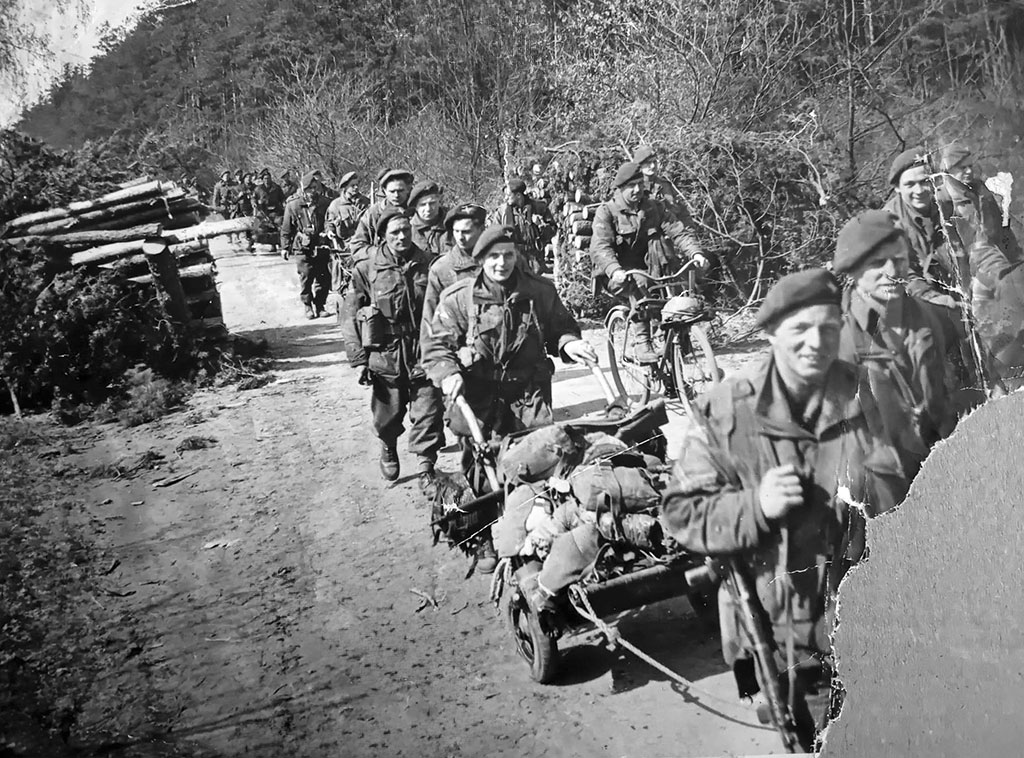
George continued to serve with the 9th Parachute Battalion during the Ardennes Campaign and later the crossing of the Rhine. He later described the Rhine Crossing as the worst experience he witnessed during the war, recalling the loss of many close friends.
Service After the War
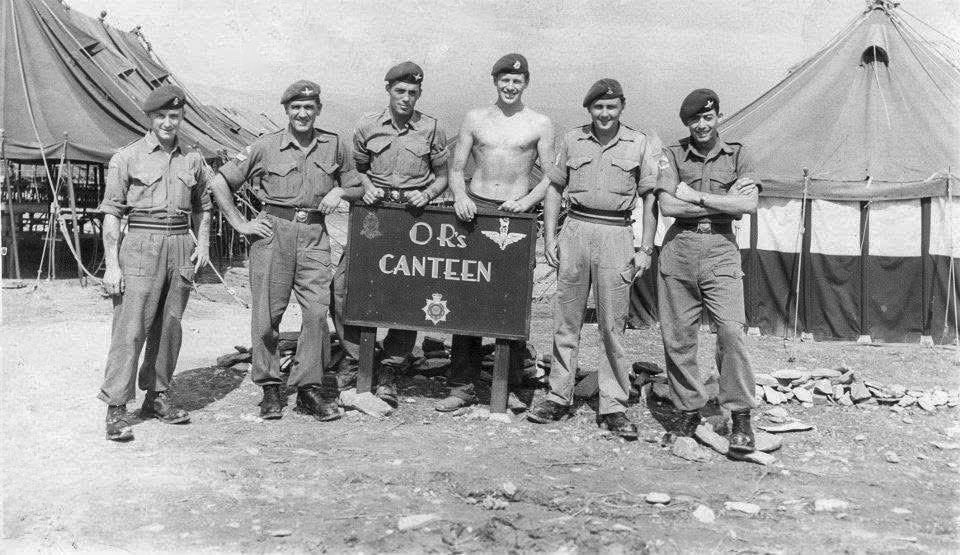
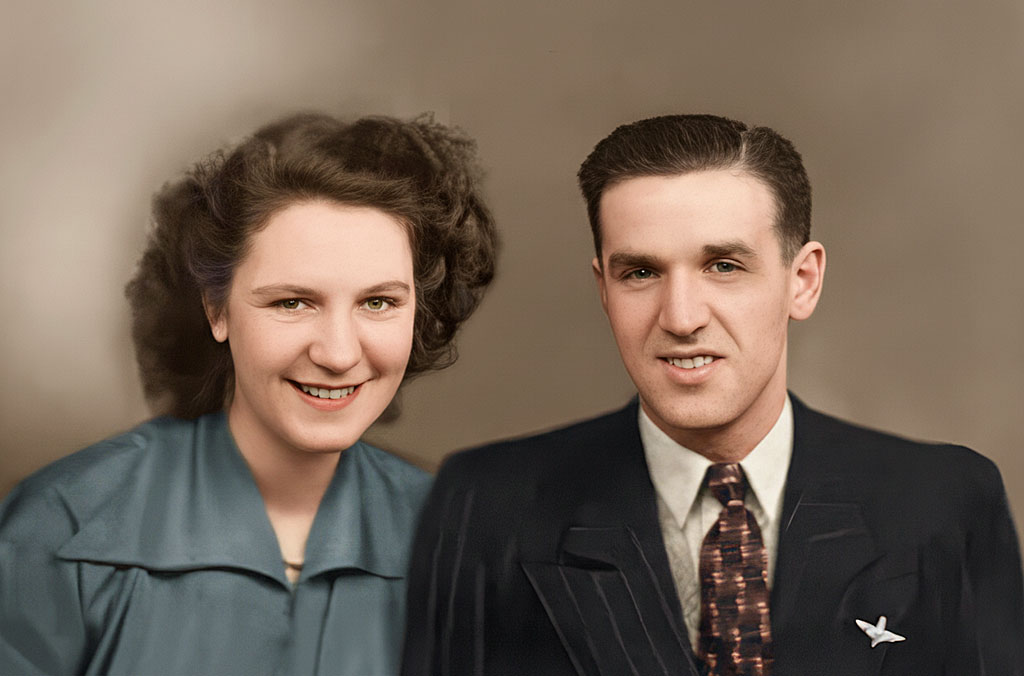
Following the war in Europe, George served in Palestine for three years. After the disbandment of the 6th Airborne Division, he served with the 3rd Battalion. In 1949, he married Hillary Slone, who had served as a parachute packer. George briefly left the Army but soon realised military life was still in his blood. When he rejoined, he was mistakenly treated as a new recruit and even issued a second Army number. Returning first to the Royal Scots, he later transferred back to the Parachute Regiment and completed the parachute course for a second time.
The Red Beret and Later Service
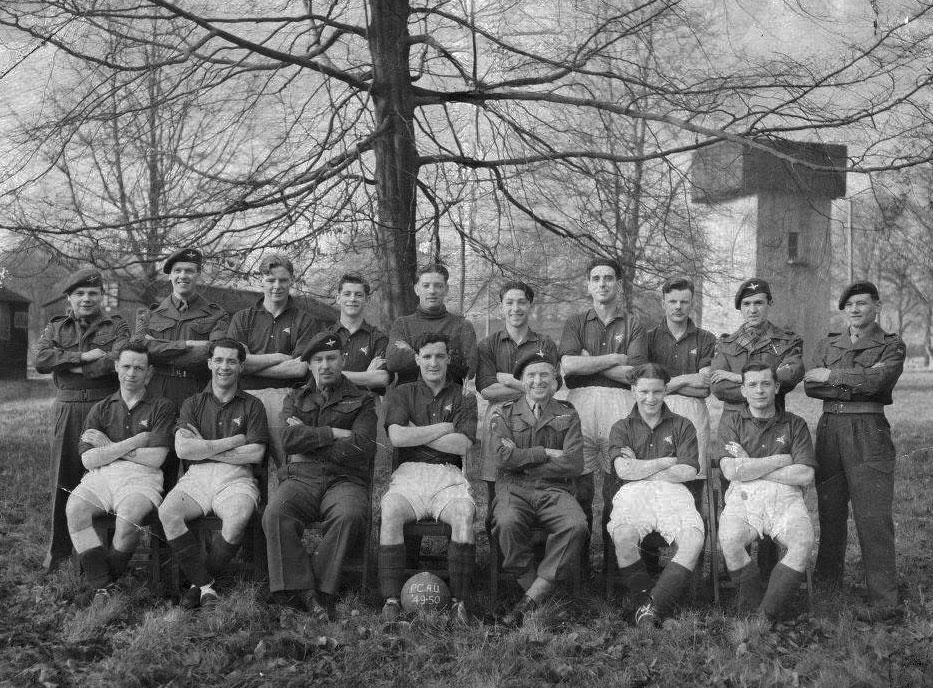
George completed two tours with the Parachute Course Administration Unit (PCAU). In 1953, he participated in the filming of The Red Beret, starring Alan Ladd. He performed many of the parachute jumps featured in the film and can briefly be seen inside the aircraft adjusting his chinstrap before Stanley Baker exits.
His military career also took him to Egypt, Greece, Cyprus and Jordan. One disappointment remained: he missed the famous Suez drop, something he regretted for many years.
George finally left the Parachute Regiment shortly after the birth of his son Doug in 1966.
Family Tradition
Following his military career, George became a Sergeant with the Ministry of Defence Police, serving until his retirement in 1985. In 1992, he returned to Scotland and settled in Glenrothes, Fife. George and Hillary raised a large family. They had five sons, four of whom followed their father into the Parachute Regiment. The eldest instead followed his maternal grandfather into The Duke of Wellington's Regiment. George also had three daughters, two of whom joined the Royal Air Force.
Return to Normandy
George's final visit to Normandy took place in 2011, when he returned to the battlefields where he had fought as a young paratrooper. During the visit he was interviewed for the BBC documentary Regimental Stories. Sadly George passed away on 15 January 2012.
A Final Jump into Normandy
Later that year, his granddaughter Izzy Roberts carried out a final parachute jump into Normandy and scattered his ashes outside Casemate No. 1 of the Merville Battery, the very position where he had fought on D-Day nearly sixty-eight years earlier.
Hillary Moodie passed away in 2017. In accordance with her wishes, her ashes were divided between places that held special meaning for her and the family. Some were scattered beside George in Normandy, some were placed with their daughter Carol at Aldershot Military Cemetery, and some were scattered from Blackpool Pier, a place Hillary had loved visiting throughout her life. Today, the memory of George and Hillary lives on through their children, grandchildren and the generations that continue to honour their story.
The story was kindly shared by George Moodie's son, Doug Moodie.