---
title: "Battle of Stalingrad"
description: "The Battle of Stalingrad led to expulsion of the Nazi forces from Russia"
url: "https://www.normandy1944.info/home/battles/battle-of-stalingrad"
date: "2026-07-29T14:23:54+00:00"
language: "en-GB"
---
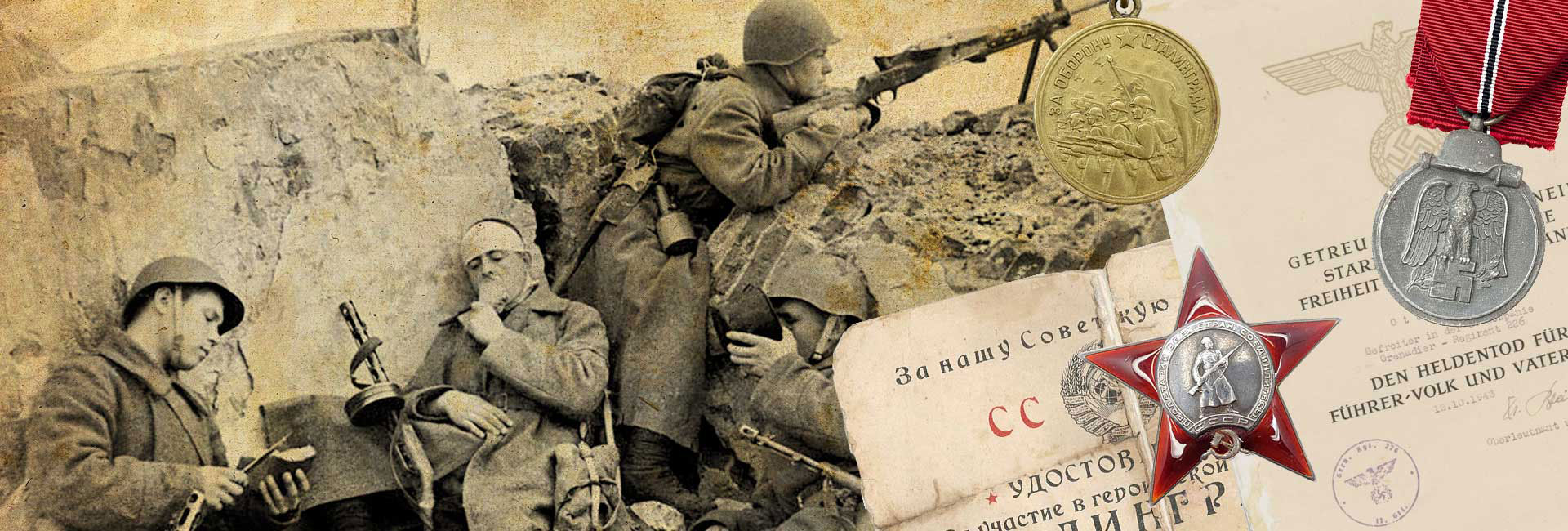
# Battle of Stalingrad
## This battle started on: 17 July 1942
Objective: Control of the city of Stalingrad
[](#) [](#)
- [Battle of Stalingrad](#)
- [ Intro to the battle ](#intro)
- [ Into detail ](#indepth)
- [ Aftermath ](#aftermath)
- [ Cite this page ](#cite)
## Commanders of the Battle of Stalingrad
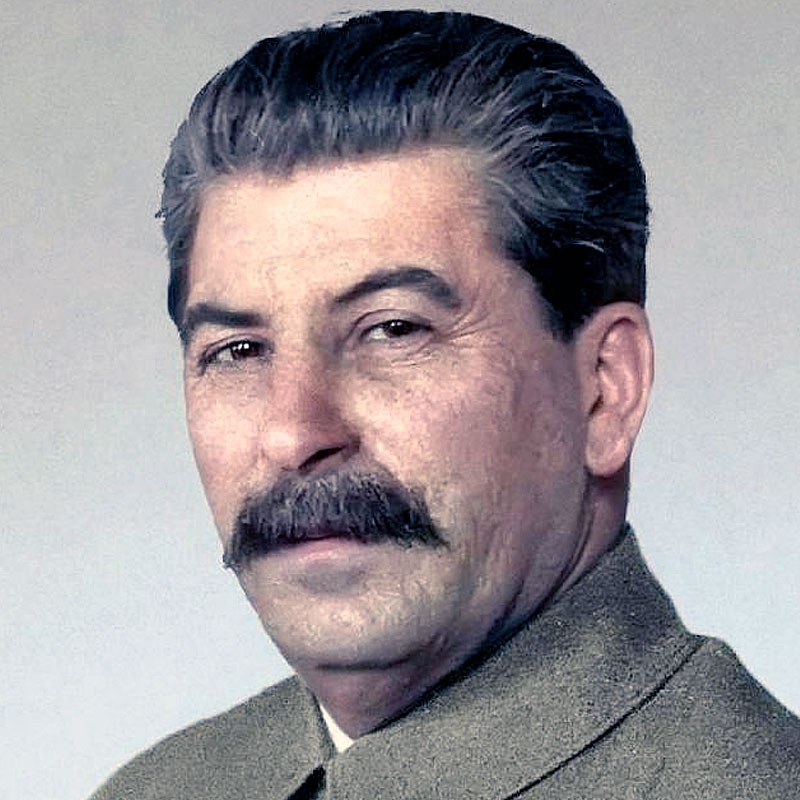
### Joseph Stalin
Nationality: Russian
Secretary-general of the Communist Party of the Soviet Union
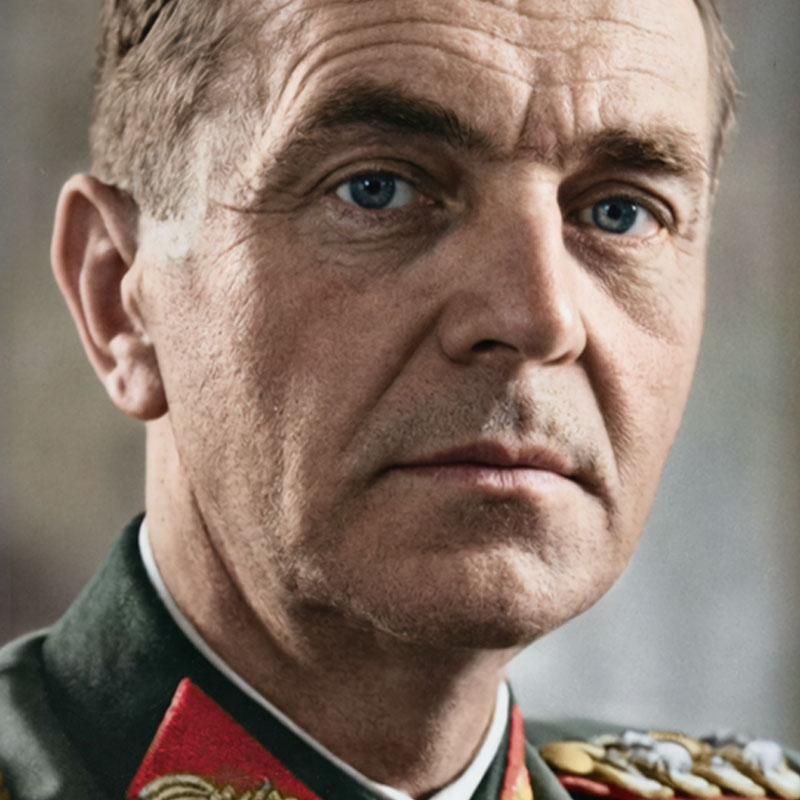
### Friedrich Paulus
Nationality: German
Commander of the German 6th Army
### What was the Battle of Stalingrad?
The **Battle of Stalingrad** (17 July 1942 - 2 February 1943) was one of the most decisive and bloodiest battles of the **Second World War**. The battle was fought between the forces of **Nazi Germany** and its Axis allies against the **Soviet Union** for control of the strategically important city of **Stalingrad**, now known as **Volgograd**. The battle became infamous for its brutal urban warfare, relentless close-quarters combat and enormous casualties. The battle became infamous for its brutal urban warfare and enormous casualties as German and Soviet troops fought street by street, factory by factory and often room by room across the devastated city.
### Strategic importance of Stalingrad
Stalingrad held major strategic importance because of its location on the **Volga River**, one of the Soviet Union’s most important transportation and supply routes. Capturing the city would help secure the northern flank of the German advance toward the oil fields of the **Caucasus**, which Germany desperately needed to sustain its war effort. The city also carried enormous symbolic importance because it bore the name of Soviet leader [**Joseph Stalin**](https://www.normandy1944.info/home/commanders/life-and-death-of-joseph-stalin). Both [**Adolf Hitler**](https://www.normandy1944.info/home/commanders/life-and-death-of-adolf-hitler) and Joseph Stalin viewed the battle as a matter of military strategy, prestige, and national symbolism.
### Background to the battle
In **1941**, Germany launched **Operation Barbarossa**, the massive invasion of the Soviet Union. Although German forces achieved major territorial gains during the early stages of the campaign, they failed to destroy the Soviet Union before winter. The German advance stalled near **Moscow** during the winter of **1941-1942**, where Soviet counteroffensives pushed exhausted German forces back. At the same time, Germany faced growing military and economic pressures after Adolf Hitler declared war on the [**United States** in **December 1941**](https://www.normandy1944.info/home/battles/attack-on-pearl-harbor).
By the spring of **1942**, many German divisions on the Eastern Front were weakened and suffered from shortages of fuel, ammunition, equipment and replacements. Nevertheless, Hitler ordered a new offensive aimed at capturing Soviet oil resources in southern Russia.
### Operation Blue
The German summer offensive of **1942**, known as **Case Blue** (**Fall Blau**), focused on southern Russia and the Caucasus region. German forces initially achieved rapid advances and pushed deep into Soviet territory. As the offensive progressed, Hitler divided his forces between the drive toward the Caucasus oil fields and the attack on Stalingrad. This decision stretched German supply lines and weakened the overall strength of the offensive.
By late **August 1942**, German forces had reached the outskirts of Stalingrad, setting the stage for one of the most destructive battles in military history.
Adversaries in this battle
### Soviet Red Army
Red Army deployed five armies in and around the city of Stalingrad.
### German Wehrmacht
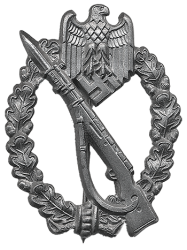The 6th Army became widely remembered for its destruction by the Red Army.
### Battle specifications
### Date of the battle
17 July 1942
---
### Duration of the battle
2 February 1943
---
### Reason for the battle
Control of the city of Stalingrad
---
### Location
Stalingrad, Soviet Union
---
### Battle result
Soviet victory
---
[### Battle of Stalingrad Location Map
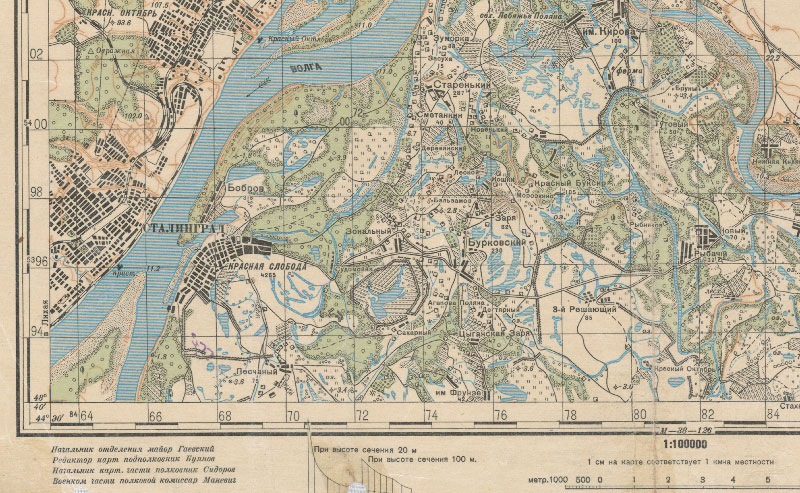Map of the Battle of Stalingrad
](https://www.normandy1944.info/images/cities/stalingrad/d-day-normandy-beyond-cities-stalingrad-004.jpg)
---
### Allied casualties
- Killed: 1.129.619
- Planes lost: 2.769
- Equiment lost:
4.341
---
### Axis casualties
- Killed: 647.300 - 968.374
- Planes lost: 1.000
---
Page updated on: 12 July 2026
Military awards associated with this campaign
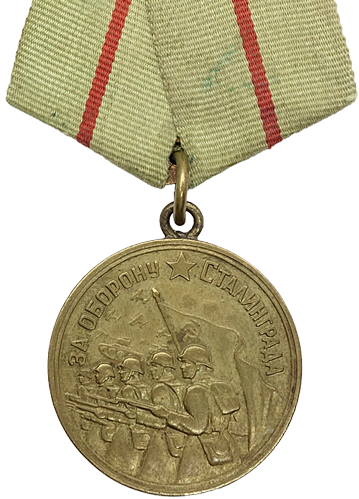### Soviet Medal of Stalingrad
Given for the Defence of Stalingrad
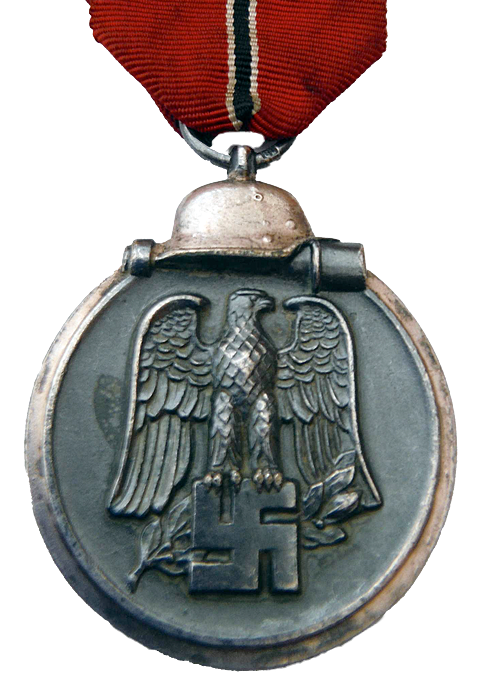### German Ostmedal
Given for fighting against the Red Army
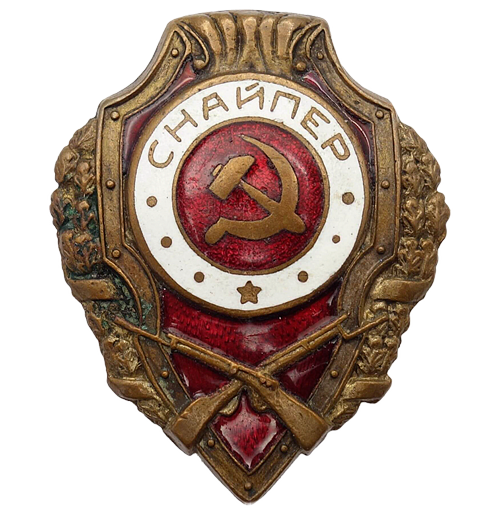### Soviet Sniper badge
Snipers were a problem in Stalingrad
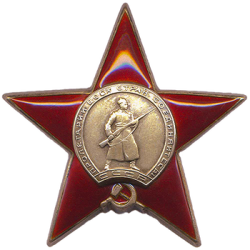
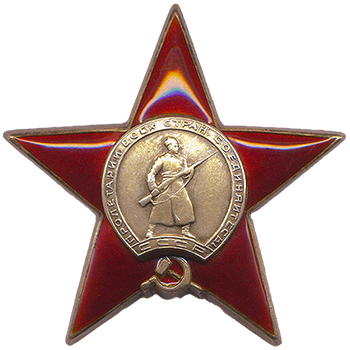### Soviet Order of the Red Star
Personal courage or bravery in battle
[](#)
[](#)
Some original WW2 formation patches and medals shown here are from my own personal collection.
Footage of this battle
Video courtesy of: VOA News
Video courtesy of: Forces News
### The beginning of the battle
On **23 August 1942**, the **Luftwaffe** launched massive bombing raids against Stalingrad, destroying large sections of the city and killing thousands of civilians. Although the bombing caused enormous devastation, the ruins later provided excellent defensive positions for Soviet troops. German forces, led primarily by **General Friedrich Paulus** and the German **6th Army**, entered the city during **September 1942**. Soviet defenders, including the **62nd Army** under **General Vasily Chuikov**, resisted fiercely and fought to hold positions close to the **Volga River**.
The battle quickly turned into brutal close-quarters combat. German and Soviet soldiers fought street by street, factory by factory and sometimes room by room. Both sides continuously reinforced their troops despite enormous casualties.
### Urban warfare in Stalingrad
During the autumn of **1942**, German forces gradually captured large sections of Stalingrad. By **November 1942**, the Germans controlled most of the city, but Soviet defenders still held narrow positions along the western bank of the Volga River. Soviet troops repeatedly crossed the river under heavy fire to reinforce the remaining defensive positions. Soviet soldiers often stayed extremely close to German lines in order to reduce the effectiveness of German artillery and air power. The fighting developed into a brutal war of attrition in which both sides suffered enormous losses for only minimal territorial gains.
### Operation Uranus
On **19 November 1942**, the **Red Army** launched **Operation Uranus**, a massive counteroffensive designed to encircle the German forces in and around Stalingrad. Rather than attacking the heavily defended German positions inside the city directly, the Soviet offensive targeted the weaker Romanian, Hungarian and Italian forces defending the flanks of the German **6th Army**.
The Soviet attacks achieved a rapid breakthrough. Within days, Soviet forces surrounded more than **250.000 Axis troops** in the Stalingrad area, trapping the German 6th Army inside the ruined city.
### The encirclement of the 6th Army
After the encirclement, several German commanders requested permission to break out of Stalingrad before Soviet forces could fully strengthen their positions. However, **Adolf Hitler** ordered the 6th Army to remain in the city and continue fighting. German leaders hoped the surrounded forces could survive until a relief operation reached the city. At the same time, the **Luftwaffe** attempted to supply the trapped army by air. These efforts failed because the Luftwaffe lacked sufficient transport aircraft and faced worsening winter conditions and strong Soviet resistance.
As winter intensified, German troops inside the pocket suffered from severe shortages of food, fuel, ammunition, medical supplies and winter clothing. Starvation, disease, frostbite and constant Soviet attacks steadily weakened the trapped forces.
### The collapse of German resistance
In **December 1942**, German forces launched **Operation Winter Storm**, an attempt to break through Soviet lines and relieve the encircled 6th Army. The relief operation initially made progress but ultimately failed to reach Stalingrad. By **January 1943**, Soviet forces had tightened the encirclement and divided the trapped German forces into smaller isolated pockets. Conditions inside Stalingrad became catastrophic as ammunition and food supplies were exhausted.
On **31 January 1943**, **General Friedrich Paulus** surrendered the southern pocket of the German 6th Army. The remaining German forces in the northern sector surrendered on **2 February 1943**, officially ending the battle after more than five months of fighting.
### Related insignias
[ 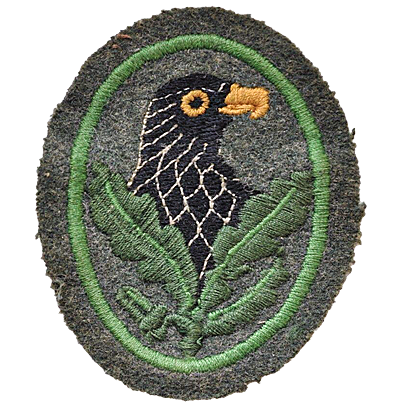German Sniper patch
Original WW2 item
](https://www.normandy1944.info/images/patches/German-sniper-patch.png)
[ 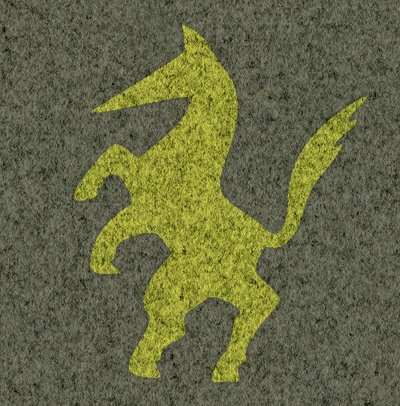6th Army Formation sign
Original WW2 item
](https://www.normandy1944.info/images/patches/German-6th-army-patch.png)
Some of these original WW2 badges and insgnias from my own personal collectioin.
#### Photographs of Battle of Stalingrad
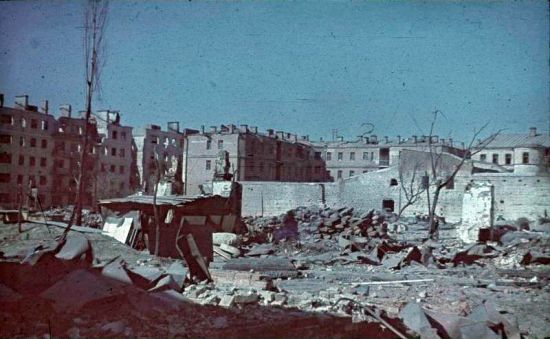Devastated ruins of Stalingrad
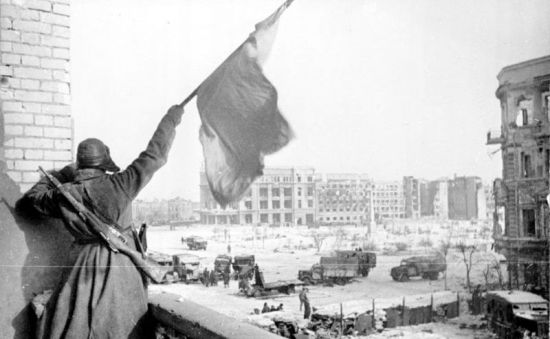First Soviet Victory over Germany
[](#)
[](#)
### German reaction to the defeat
The German public was not officially informed about the scale of the disaster at **Stalingrad** until the end of **January 1943**, although optimistic propaganda reports had largely disappeared in the preceding weeks. The defeat at Stalingrad marked the first time the **Nazi regime** publicly acknowledged a major military failure during the **Second World War**. On **31 January 1943**, normal programming on German state radio was interrupted by sombre music and official announcements reporting the collapse of the German **6th Army**.
On **18 February 1943**, **Joseph Goebbels**, Reich Minister of Propaganda, delivered his famous **Sportpalast speech** in Berlin. In the speech, Goebbels called for "**Total War**" and urged the German population to commit all remaining resources and manpower to the war effort.
### German prisoners of war
Following the surrender at Stalingrad, approximately **91.000 German and Axis soldiers** were taken prisoner by the Soviet Union, including around **22 generals**. The prisoners were already severely weakened by starvation, disease, exhaustion and exposure during the encirclement. Many were forced to march long distances to prisoner camps before being transferred to labor camps throughout the Soviet Union. Conditions in captivity proved extremely harsh. The vast majority of the prisoners did not survive the years following the battle due to malnutrition, disease, overwork and inadequate medical care.
Of the approximately **91.000 prisoners** captured at Stalingrad, only around **5.000 to 6.000** eventually returned to Germany after the war. The last surviving prisoners were not repatriated until **1955**.
### Friedrich Paulus after Stalingrad
**Field Marshal Friedrich Paulus**, commander of the German **6th Army**, became one of the most prominent prisoners captured during the battle. Shortly before the surrender, Adolf Hitler promoted Paulus to the rank of **Field Marshal**, partly because no German field marshal had ever surrendered before. Despite Hitler’s expectations, Paulus surrendered to Soviet forces on **31 January 1943**. While in Soviet captivity, he later participated in anti-Nazi propaganda efforts and signed statements criticizing Adolf Hitler and the German leadership.
After the war, Paulus testified during the **Nuremberg Trials**. He remained in the **Soviet Union** until **1952**, after which he moved to **Dresden** in **East Germany**, where he spent the remainder of his life.
### Casualties of the Battle of Stalingrad
The **Battle of Stalingrad** became one of the deadliest battles in military history. Exact casualty figures remain debated among historians because estimates vary depending on whether calculations include only the fighting inside the city or the wider campaign across southern Russia. Historians generally estimate that German and Axis casualties, including killed, wounded, missing and captured personnel, ranged between **600.000 and 800.000 men**.
Soviet casualties were even higher. The **Red Army** suffered an estimated **more than one million casualties**, including killed, wounded, missing and captured troops. Soviet civilian casualties within Stalingrad were also enormous due to bombing, starvation, artillery bombardments and urban combat.
### Historical significance
The **Battle of Stalingrad** is widely regarded as one of the major turning points of the **Second World War**. The destruction of the German **6th Army** shattered the myth of German invincibility and dealt a severe blow to German military morale. After Stalingrad, Germany permanently lost the strategic initiative on the **Eastern Front**. The **Soviet Union** increasingly gained momentum and launched a series of major offensives that gradually pushed German forces westward toward Germany itself.
The battle also became a powerful symbol of Soviet resistance and sacrifice. In Soviet and later Russian historical memory, Stalingrad remains one of the defining victories of the war and a symbol of national resilience against invasion.
### Famous battle quotes
### Heavy casualties
The heavy casualties, the constant retreat, the shortage of food and munitions, the difficulty of receiving reinforcements... all this had a very bad effect on morale. Many longed to get across the Volga, to escape the hell of Stalingrad.
Vasily Chuikov
---
[ Get in touch with me ](https://www.normandy1944.info/contact#contact)
### More epic battles of the Second Wold War
[ 
### Battle of Midway
3 June 1942
What was the Battle of Midway? The Battle of Midway, fought between 4 and 7 June 1942, was one of the most decisive naval battles of the Second Worl…
Discover this battle
](https://www.normandy1944.info/home/battles/battle-of-midway)
[ 
### Operation Barbarossa
22 June 1941
What was Operation Barbarossa? Operation Barbarossa was the codename for Nazi Germany's invasion of the Soviet Union, launched on 22 June 1941 durin…
Discover this battle
](https://www.normandy1944.info/home/battles/operation-barbarossa)
[ 
### Battle of Normandy
6 June 1944
What is the Battle of Normandy? The Battle of Normandy (6 June – 25 August 1944) was the decisive Allied campaign to liberate France from German occ…
Discover this battle
](https://www.normandy1944.info/home/battles/battle-of-normandy)
[ 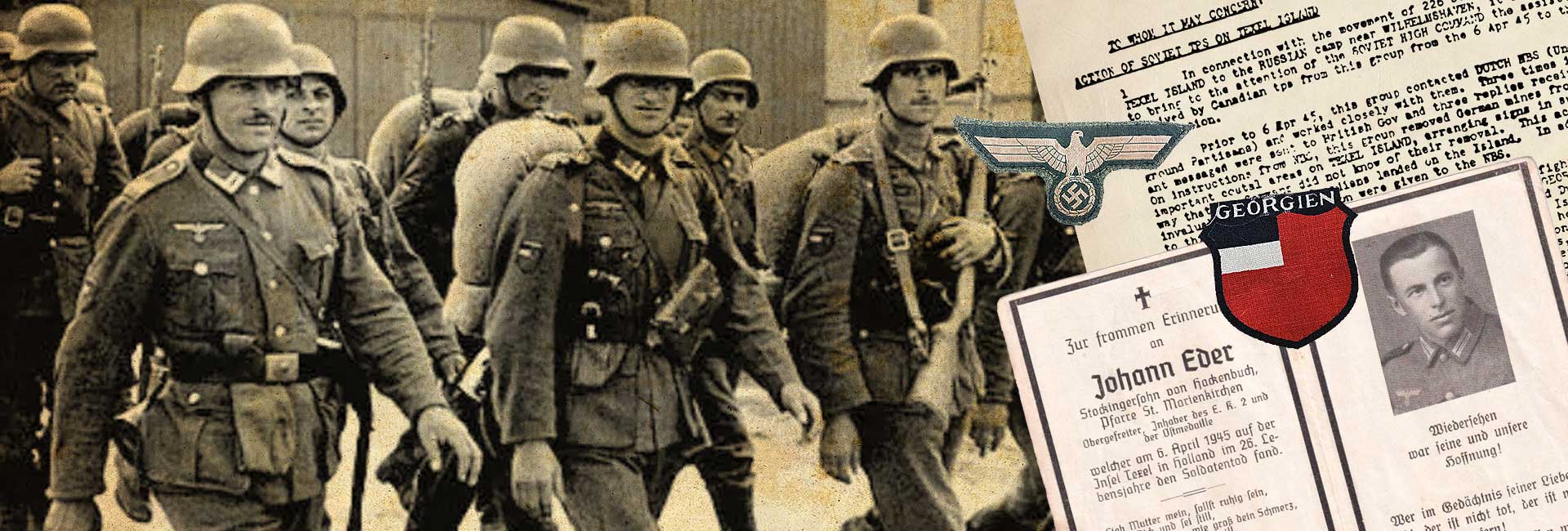
### Battle of Texel
5 April 1945
What Was the Battle for Texel? The Battle of Texel, also known as the Georgian Revolt on Texel, was one of the final battles fought in Europe during…
Discover this battle
](https://www.normandy1944.info/home/battles/battle-of-texel)
[ 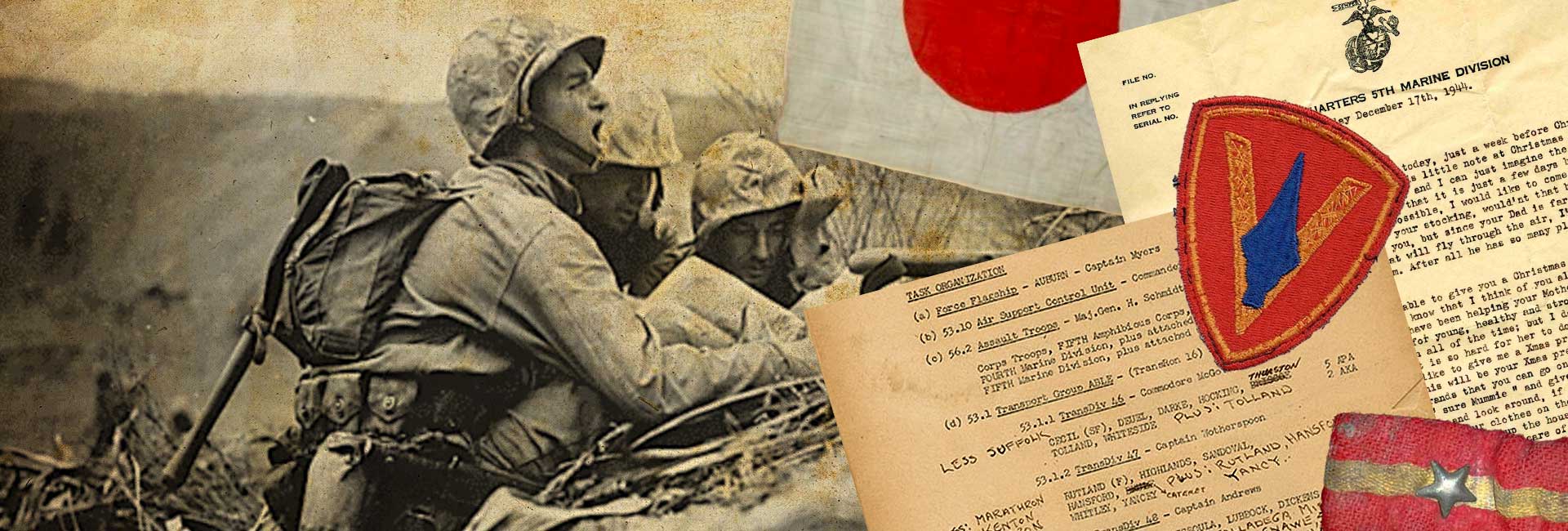
### Battle of Iwo Jima
19 February 1945
What was the Battle of Iwo Jima? The Battle of Iwo Jima (19 February - 26 March 1945), codenamed Operation Detachment, was one of the bloodiest batt…
Discover this battle
](https://www.normandy1944.info/home/battles/battle-of-iwo-jima)
[ 
### Battle of Stalingrad
17 July 1942
What was the Battle of Stalingrad? The Battle of Stalingrad (17 July 1942 - 2 February 1943) was one of the most decisive and bloodiest battles of t…
Discover this battle
](https://www.normandy1944.info/home/battles/battle-of-stalingrad)
[ 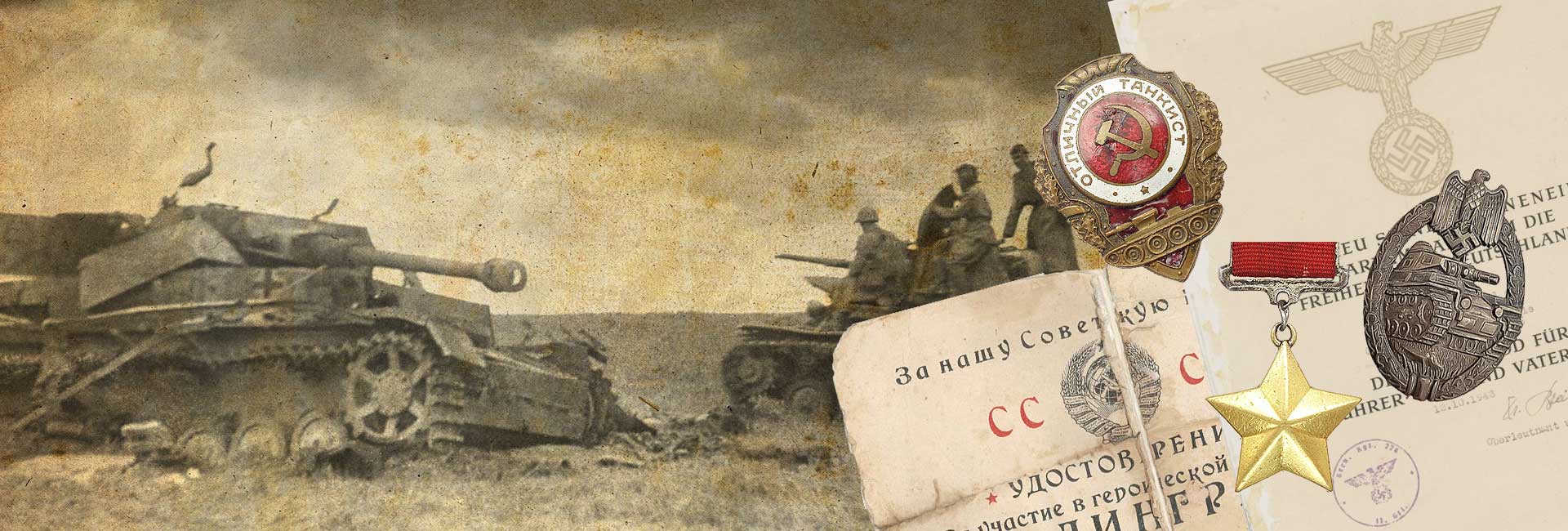
### Battle of Kursk
5 July 1943
The Battle of Kursk or Operation Citadel was a large and decisive tank battle on the Eastern Front in World War II. It marked the end of the German o…
Discover this battle
](https://www.normandy1944.info/home/battles/battle-of-kursk)
[ 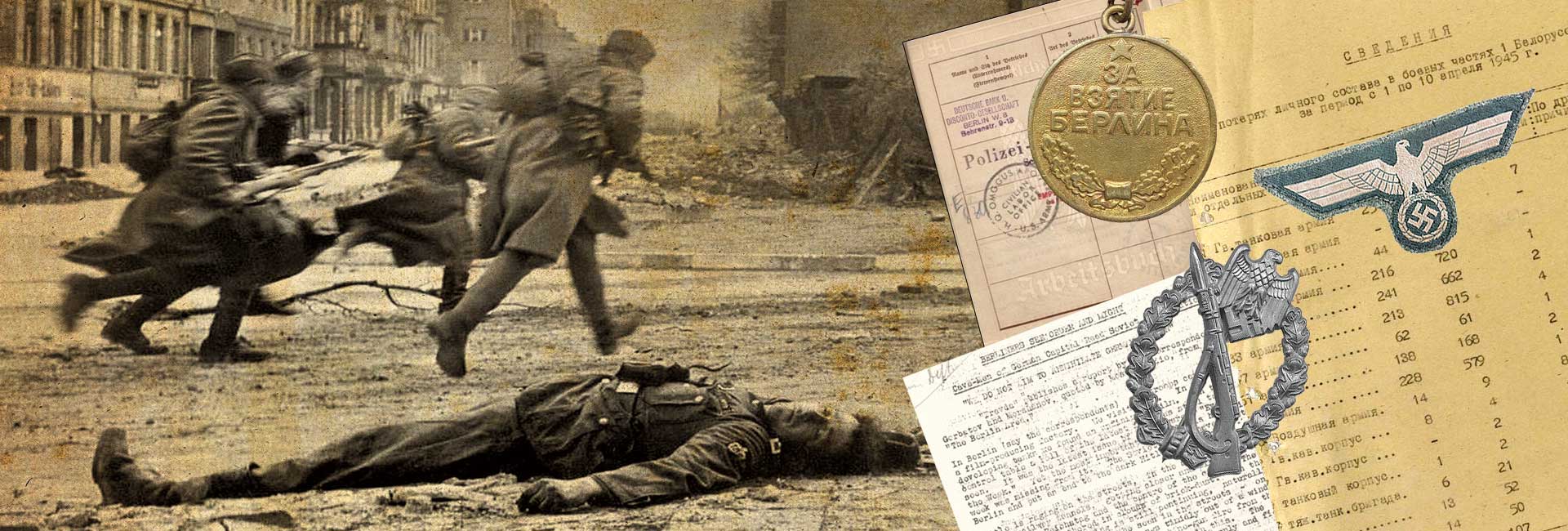
### Battle of Berlin
16 April 1945
What was the Battle for Berlin? The Battle for Berlin was the final major battle in Europe during the Second World War. It took place from 16 April…
Discover this battle
](https://www.normandy1944.info/home/battles/battle-of-berlin)
[ 
### Battle of the Ardennes
16 december 1944
The Battle of the Bulge, also known as the Battle of the Bulge, was the last major offensive by the German Wehrmacht on the Western Front in World Wa…
Discover this battle
](https://www.normandy1944.info/home/battles/battle-of-the-ardennes)
[ 
### Attack on Pearl Harbor
7 December 1941
What was the Attack on Pearl Harbor? The Attack on Pearl Harbor took place on the morning of 7 December 1941, when the Imperial Japanese Navy launch…
Discover this battle
](https://www.normandy1944.info/home/battles/attack-on-pearl-harbor)
[](#)
[](#)
#### Cite this historical page
I aim to provide open-access accurate historical records. If you are using this content for academic research, articles or educational projects, please use the citation below to credit this source. Click the button below to copy the direct URL for your research or citations.
###### Share this page on social media
The stories on my website are meant to educate people about WW2. You can help by sharing them with your family and friends on your social platforms. Thank you so much for your assistance.
- [](https://x.com/intent/post?url=https%3A%2F%2Fwww.normandy1944.info%2Fhome%2Fbattles%2Fbattle-of-stalingrad.md&text=)
- [](https://www.facebook.com/sharer/sharer.php?u=https%3A%2F%2Fwww.normandy1944.info%2Fhome%2Fbattles%2Fbattle-of-stalingrad.md)
- [](http://pinterest.com/pin/create/button/?url=https%3A%2F%2Fwww.normandy1944.info%2Fhome%2Fbattles%2Fbattle-of-stalingrad.md)
- [](https://api.whatsapp.com/send?text=https%3A%2F%2Fwww.normandy1944.info%2Fhome%2Fbattles%2Fbattle-of-stalingrad.md)
## Schema
```json
{ "@context": "https://schema.org", "@type": "Article", "mainEntityOfPage": { "@type": "WebPage", "@id": "https://www.normandy1944.info/home/battles/battle-of-stalingrad" }, "headline": "Battle of Stalingrad", "description": "The Battle of Stalingrad led to expulsion of the Nazi forces from Russia", "image": { "@type": "ImageObject", "url": "https://www.normandy1944.info/images/cities/stalingrad/d-day-normandy-beyond-stalingrad-slider.jpg" }, "publisher": { "@type": "Organization", "name": "Normandy1944.info – D-Day, Normandy and Beyond", "logo": { "@type": "ImageObject", "url": "https://www.normandy1944.info/images/logo/D-Day-Normandy-1944-WW2-logo.png" } }, "author": { "@type": "Person", "name": "Frank C. Everards", "url": "https://www.normandy1944.info/blog/how-it-started" }, "datePublished": "2020-05-06T10:58:23+02:00", "dateCreated": "2020-05-05T09:58:23+02:00", "dateModified": "2026-07-12T21:39:16+02:00" }
```