---
title: "Battle of Berlin"
description: "The Battle of Berlin was one of the last major offensives of the European theater of WW2"
url: "https://www.normandy1944.info/home/battles/battle-of-berlin"
date: "2026-07-25T17:15:45+00:00"
language: "en-GB"
---
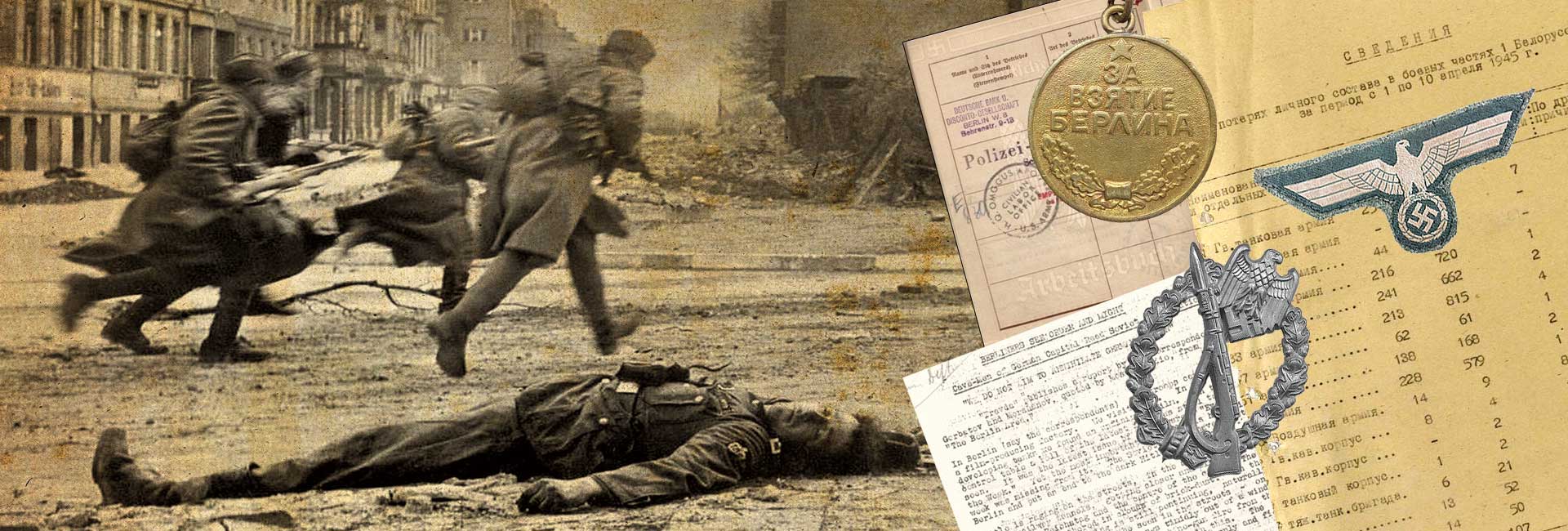
# Battle of Berlin
## This battle started on: 16 April 1945
Objective: Defeat Germany and force and unconditional surrender to end the war
[](#) [](#)
- [Battle of Berlin](#)
- [ Intro to the battle ](#intro)
- [ Into detail ](#indepth)
- [ Aftermath ](#aftermath)
- [ Cite this page ](#cite)
## Commanders of the Battle of Berlin
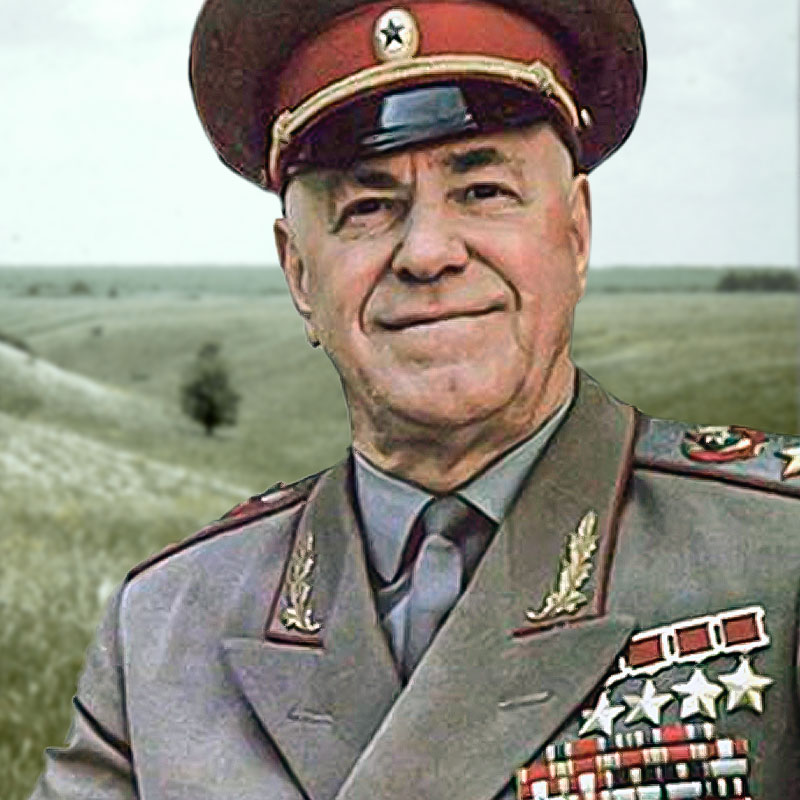
### Georgy Konstantinovich Zhukov
Nationality: Russian
Marshal of the Soviet Union
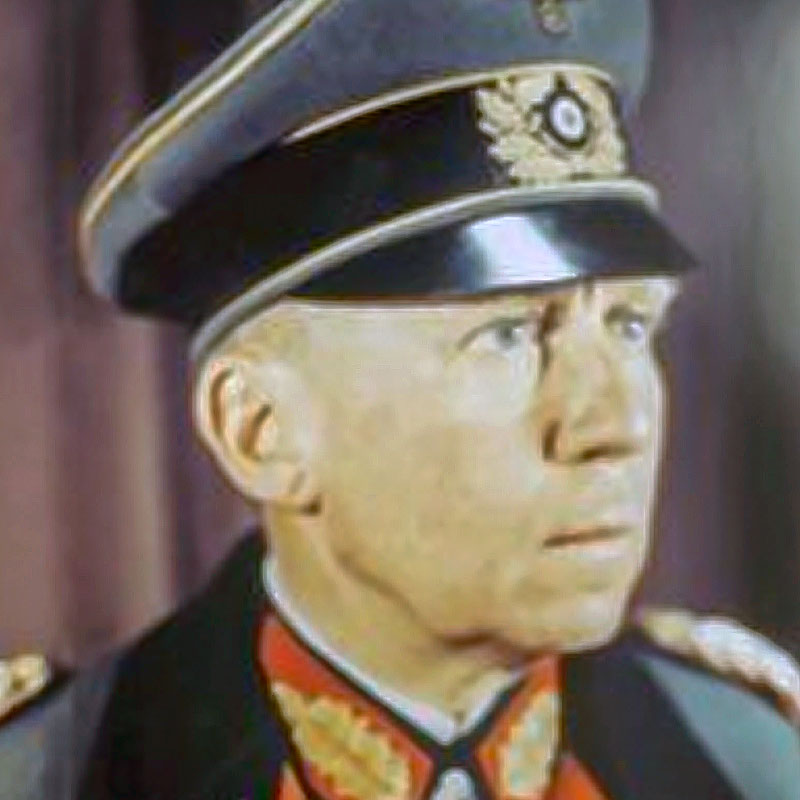
### Gotthard Heinrici
Nationality: German
Generalfeldmarschall commander of the Weichsel defense group (dismissed)
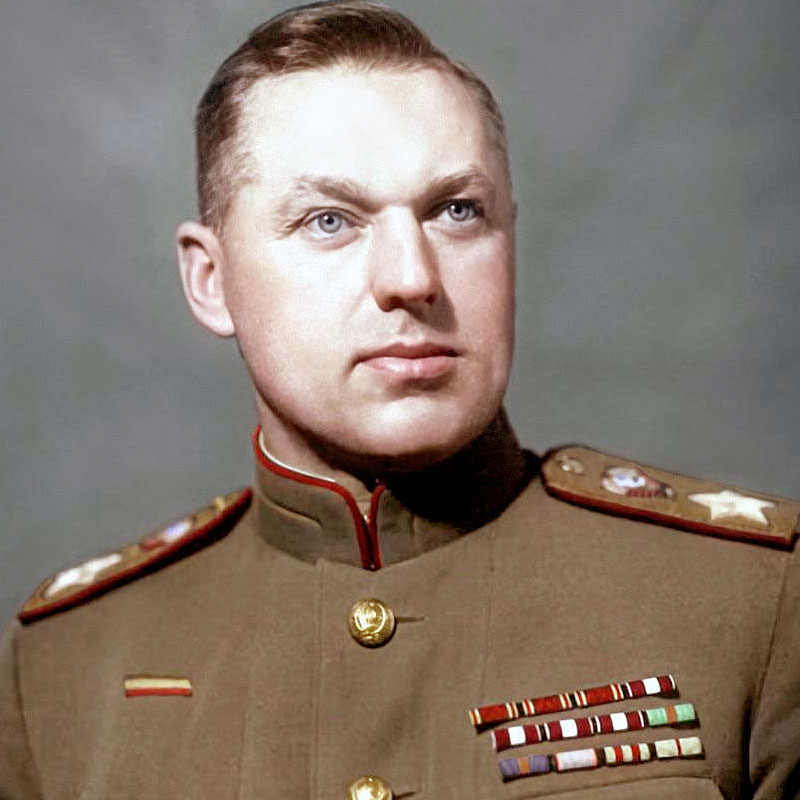
### Konstantin Rokossovsky
Nationality: Russian
Marshal of the Soviet Union commander of The Central Front
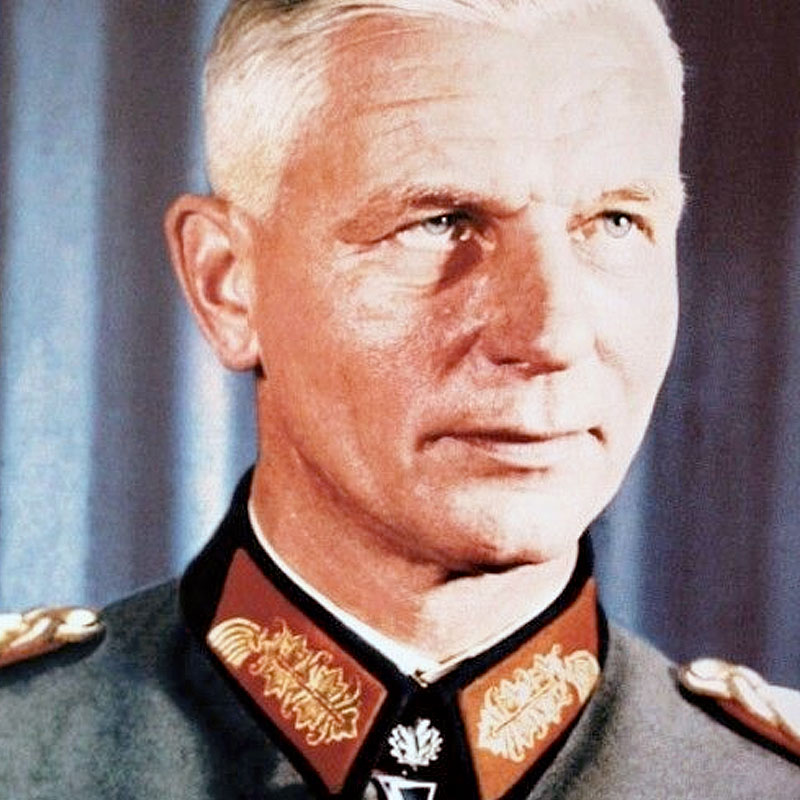
### Kurt von Tippelskirch
Nationality: German
Generalfeldmarschall commander of the 21st Army and Weichsel defense group
### What was the Battle for Berlin?
The **Battle for Berlin** was the final major battle in Europe during the Second World War. It took place from **16 April to 2 May 1945** and ended with the capture of the German capital by the **Soviet Red Army**. The battle led directly to the collapse of [**Adolf Hitler’s**](https://www.normandy1944.info/home/commanders/life-and-death-of-adolf-hitler) regime and the unconditional surrender of Nazi Germany a few days later.
The fighting was brutal and destructive. Berlin became a battlefield of artillery fire, tank assaults, street fighting, collapsing command structures and desperate last stands by **German soldiers**, **Waffen-SS units**, **Volkssturm militia**, **Hitler Youth members** and **foreign volunteers**. The total number of military and civilian casualties is difficult to determine precisely, but the losses were enormous.
### The Road to Berlin
By early **1945**, Nazi Germany was collapsing on every front. In the west, Allied forces had crossed the Rhine and were advancing deep into Germany. In the east, the Soviet Red Army had pushed through Poland and reached the **Oder River**, less than 100 kilometres from Berlin.
For [**Joseph Stalin**](https://www.normandy1944.info/home/commanders/life-and-death-of-joseph-stalin), the capture of Berlin was both a military and political objective. He wanted Soviet forces to take the German capital before the Western Allies could reach it. Berlin was the centre of Hitler’s regime, but it also contained important strategic, scientific and political assets that would matter in the post-war settlement.
### German preparations
On **6 March 1945**, **Lieutenant General Helmuth Reymann** was appointed commander of the Berlin Defence Area. He replaced **General Bruno Ritter von Hauenschild**. Berlin was declared a defensive fortress, although in reality the city was poorly prepared for the scale of the Soviet assault that was coming. On **20 March 1945**, **General Gotthard Heinrici** was appointed commander of **Army Group Vistula**, replacing [**Heinrich Himmler**](https://www.normandy1944.info/home/commanders/life-and-death-of-heinrich-himmler). Heinrici was considered one of the German army’s best defensive commanders. He correctly expected the main Soviet attack to come across the Oder River and through the **Seelow Heights**, east of Berlin.
Instead of defending the riverbank with all his strength, Heinrici placed only a thin screen of troops near the Oder and concentrated his main defensive force on the Seelow Heights. Engineers strengthened the positions with trenches, bunkers, anti-tank guns and field fortifications. The flooded ground and defensive lines were intended to slow the Soviet advance before it reached Berlin.
### The Soviet Forces
The Soviet assault on Berlin was carried out by three major fronts. [**Marshal Georgy Zhukov**](https://www.normandy1944.info/home/commanders/life-and-death-of-georgy-zhukov) commanded the **1st Belorussian Front**, which attacked directly toward Berlin from the east. **Marshal Ivan Konev** commanded the **1st Ukrainian Front**, which advanced from the south. **Marshal Konstantin Rokossovsky** commanded the **2nd Belorussian Front**, which attacked further north.
Together, the Soviet forces involved in the Berlin operation numbered more than **2 million soldiers**, supported by thousands of tanks, aircraft, artillery pieces, mortars and Katyusha rocket launchers. The final assault on Berlin was one of the largest military operations of the war.
### The wider Soviet advance
In **January 1945**, Soviet forces captured Warsaw and advanced rapidly westward. Budapest fell on **13 February 1945**, Vienna fell on **13 April 1945** and the Red Army prepared for the final drive into Germany. On **9 April 1945**, Königsberg in East Prussia surrendered, freeing Soviet forces for the advance westward.
During the first half of April, the Red Army carried out one of its fastest regroupings of the war. Zhukov’s 1st Belorussian Front concentrated before the Seelow Heights, while Konev’s 1st Ukrainian Front shifted its weight toward the Neisse River. The stage was set for the final offensive against Berlin.
Adversaries in this battle
### Soviet Red Army
The Red Army invades Berlin and overruns the last German defences
### German Wehrmacht
German troops and the Volkssturm defend their last stronghold Berlin
### Battle specifications
### Date of the battle
16 April 1945
---
### Duration of the battle
2 May 1945
---
### Reason for the battle
Defeat Germany and force and unconditional surrender to end the war
---
### Location
Berlin, Germany
---
### Battle result
Soviet victory
---
[### Battle of Berlin Location Map
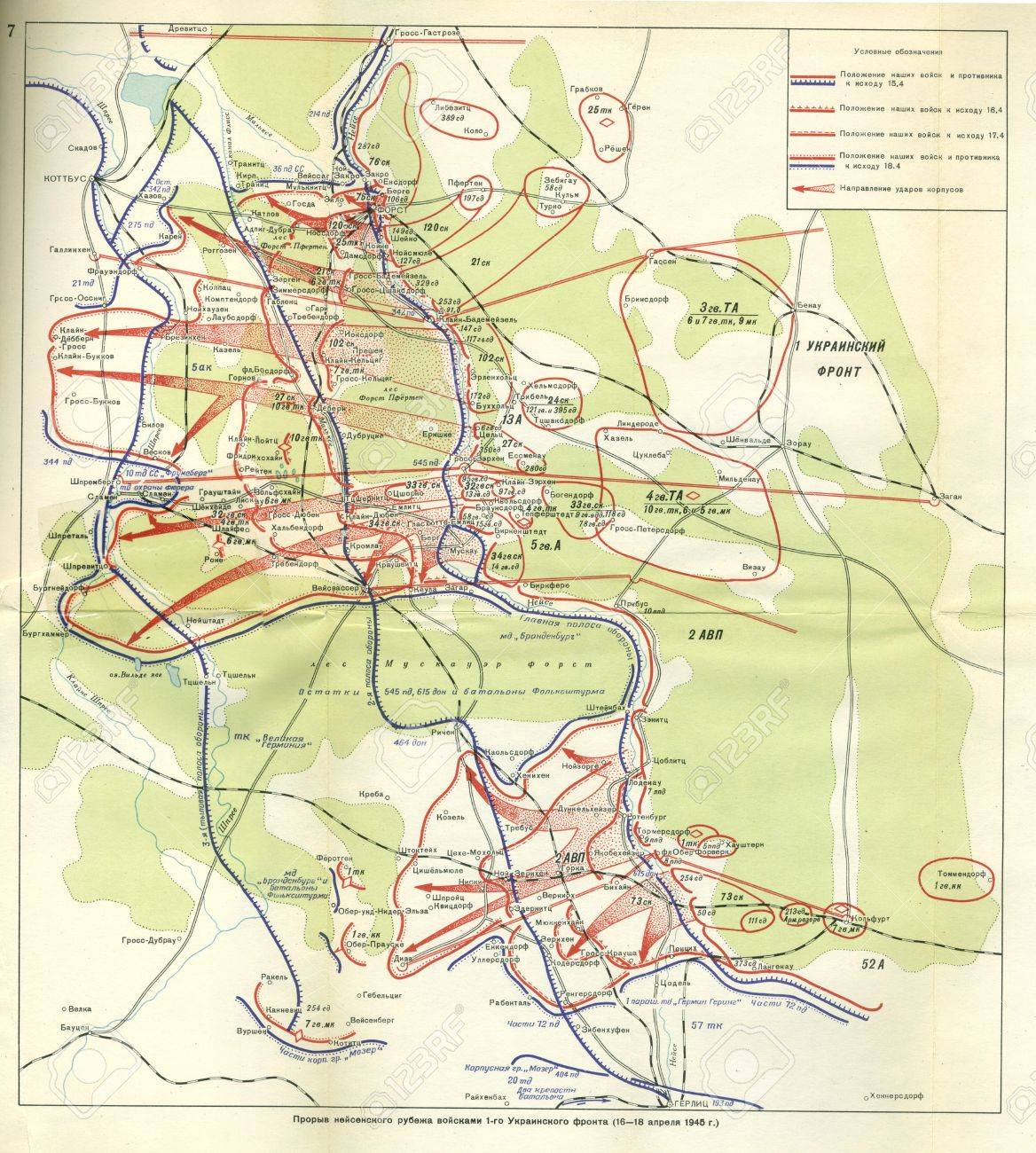Map of the Battle of Berlin
](https://www.normandy1944.info/images/battles/berlin/d-day-normandy-beyond-battles-berlin-map.jpg)
---
---
Page updated on: 12 July 2026
Military awards associated with this campaign
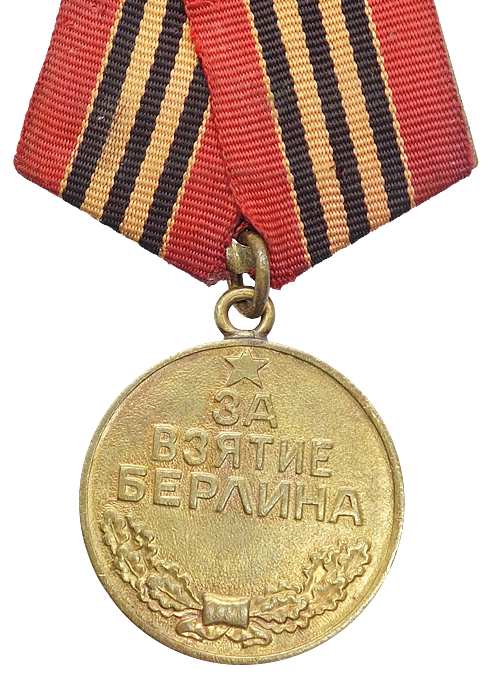### Soviet Medal for the Capture of Berlin
For participants of assault and capture of Berlin
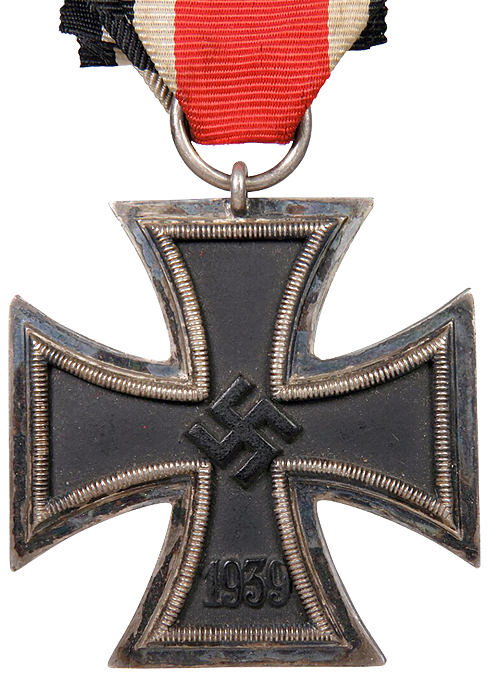### German Eisenkreuz
For skilled leadership or acts of military valour
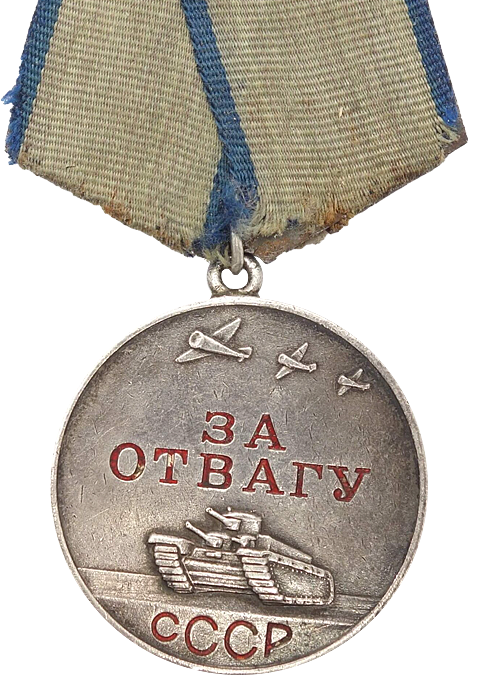### Soviet Medal for Bravery
For personal courage and bravery against enemies of Russia
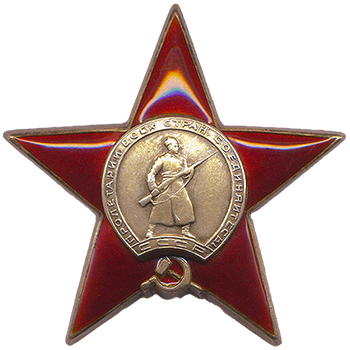### Soviet Order of the Red Star
For personal courage or bravery in battle
[](#)
[](#)
Some original WW2 formation patches and medals shown here are from my own personal collection.
Footage of this battle
Video courtesy of: British Pathé
Video courtesy of: Sillu
### The Battle begins
On **16 April 1945**, the Soviet offensive began with a massive artillery bombardment. Soviet guns and Katyusha rocket launchers opened fire on German positions east of Berlin. The first major obstacle was the defensive line at the **Seelow Heights**, the last strong position before the German capital.
### The Battle of the Seelow Heights
The fighting at the **Seelow Heights** lasted from **16 to 19 April 1945**. German defenders under **General Gotthard Heinrici** used prepared positions, anti-tank guns, flooded ground and the terrain itself to slow the Soviet attack. **Marshal Zhukov** committed enormous forces to break the German line. The battle was extremely costly, but by **19 April 1945** the Soviet breakthrough had been achieved. Once the Seelow line collapsed, there were no strong defensive positions left between the Red Army and Berlin.
To the south, **Marshal Ivan Konev’s** forces also broke through and moved rapidly toward Berlin. Soviet advances split German forces apart, trapping large formations, including the German 9th Army and creating the conditions for the encirclement of the capital.
### Berlin under fire
On **20 April 1945**, Adolf Hitler’s 56th birthday, Soviet artillery began shelling Berlin. The city was now within range of Soviet guns and the final battle for the capital had begun. Hitler issued orders declaring Berlin a front-line city to be defended to the end. He refused to allow a full evacuation of civilians. Around three million civilians were trapped in the city, facing hunger, shelling, collapsing services and the fear of both Soviet troops and German execution squads.
### The encirclement of Berlin
By **23 April 1945**, Soviet forces were tightening the ring around Berlin. Hitler appointed **General Helmuth Weidling** commander of the Berlin Defence Area, replacing the earlier commanders who had failed to organise an effective defence. By **24 April 1945**, Berlin was effectively surrounded. On **25 April 1945**, Soviet and American troops met at the **Elbe River**, cutting Nazi Germany in two. The same day, Soviet forces consolidated their investment of Berlin and began penetrating the city’s defensive ring.
### Hitler’s last orders
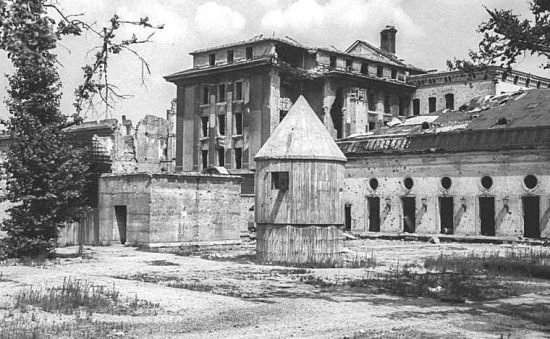
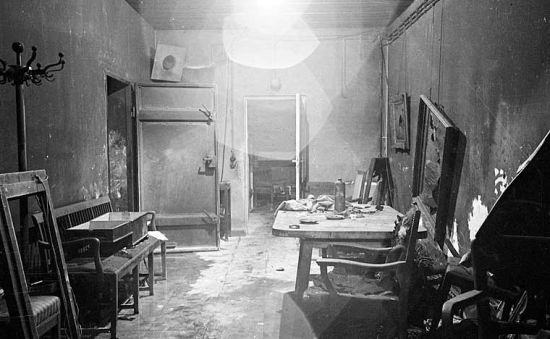
Inside the **Führerbunker**, Hitler continued to issue orders to units that no longer existed or were incapable of carrying out attacks. He demanded counterattacks by **Felix Steiner’s** army detachment and later placed hope in **General Walther Wenck’s** 12th Army, which was facing the Americans.
On **22 April 1945**, during a situation conference, Hitler finally admitted that the war was lost. He blamed his generals, refused to leave Berlin and declared that he would remain in the city until the end.
### Göring’s Telegram to Adolf Hitler
On **23 April 1945**, [**Hermann Göring**](https://www.normandy1944.info/home/commanders/life-and-death-of-hermann-goering), head of the Luftwaffe and Hitler’s designated successor, sent a telegram from southern Germany to the Führerbunker in Berlin. In it, Göring referred to Hitler’s earlier succession decree and asked whether, because Hitler was trapped in Berlin, he should assume leadership of the Reich.

> **Translation**: My Fuhrer: General Koller today gave me a briefing on the basis of communications given to him by Colonel General Jodl and General Christian, according to which you had referred certain decisions to me and emphasized that I, in case negotiations would become necessary, would be in an easier position than you in Berlin. These views were so surprising and serious to me that I felt obligated to assume, in case by 22:00 o'clock no answer is forthcoming, that you have lost your freedom of action. I shall then view the conditions of your decree as fulfilled and take action for the well being of Nation and Fatherland. You know what I feel for you in these most difficult hours of my life and I cannot express this in words. God protect you and allow you despite everything to come here as soon as possible. Your faithful Hermann Goring".
**Martin Bormann** used the telegram to turn Hitler against Göring, presenting it as an attempt to seize power. Hitler reacted furiously. Göring was stripped of his offices, accused of treason and placed under arrest. The telegram showed how the Nazi leadership was disintegrating even before Berlin had fallen.
### Street fighting in Berlin
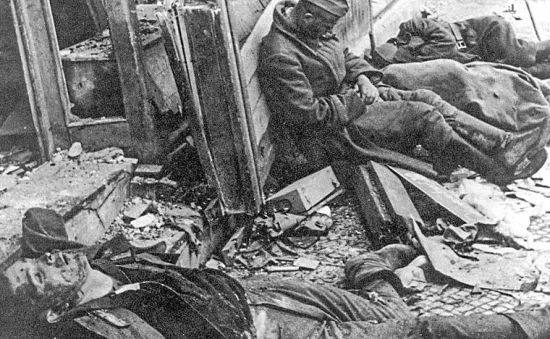
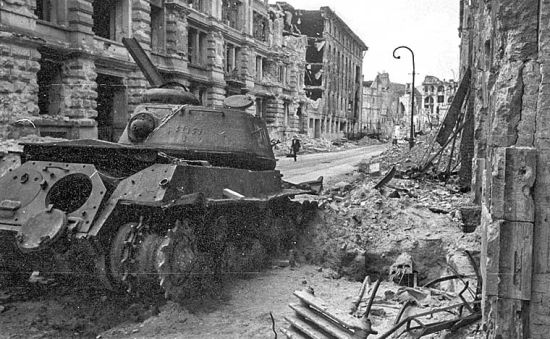
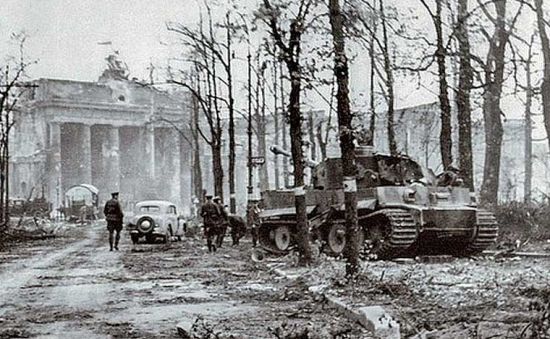
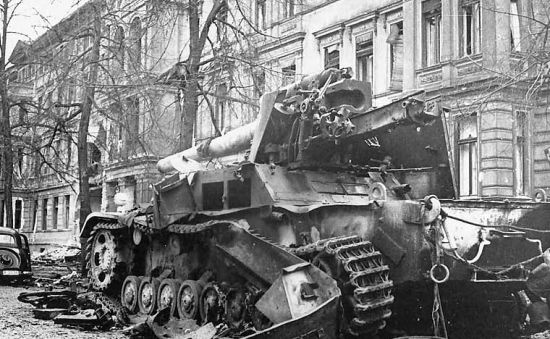
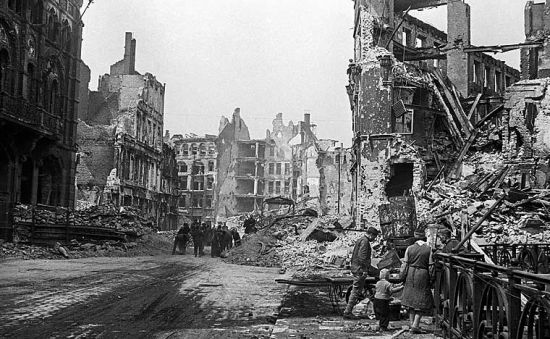
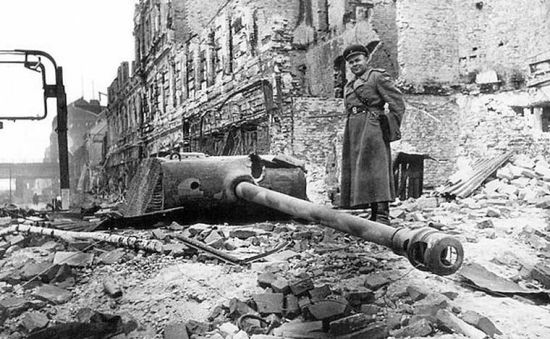
The fighting inside Berlin became a brutal urban battle. Soviet troops advanced through streets, apartment blocks, railway stations, bridges, cellars and ruined government buildings. German resistance was strongest around key points such as the **Reich Chancellery**, the **Führerbunker**, the **Reichstag**, **Alexanderplatz**, the **Moltke Bridge** and the approaches through the Tiergarten.
General Weidling organised Berlin’s defence into sectors, but most defenders lacked the strength, training, or equipment to stop the Soviet advance. The city was defended by remnants of German army divisions, Waffen-SS troops, police units, Volkssturm men, Hitler Youth boys and foreign SS volunteers.
### The Civilian population
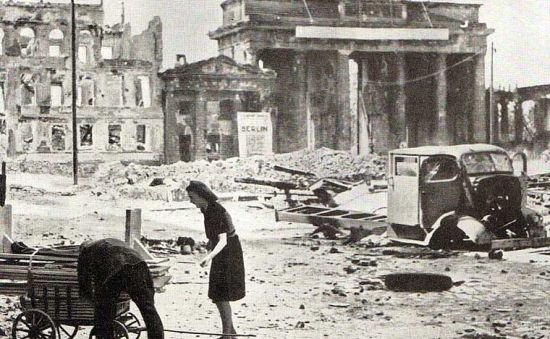
The civilian population suffered terribly. Food, water, electricity and medical care became scarce. Many Berliners hid in basements, underground railway stations, bunkers and ruins while artillery fire destroyed large parts of the city. German military police and SS units executed suspected deserters and civilians accused of defeatism. At the same time, many civilians tried to avoid both German fanatics and Soviet assault troops. In several parts of the city, fear, hunger, revenge and collapse replaced any remaining sense of order.
> On the walls of the houses we saw [Goebbels](https://www.normandy1944.info/home/commanders/life-and-death-of-joseph-goebbels)' appeals, hurriedly scrawled in white paint: 'Every German will defend his capital. We shall stop the Red hordes at the walls of our Berlin.' Just try and stop them!
### Related insignias
[ 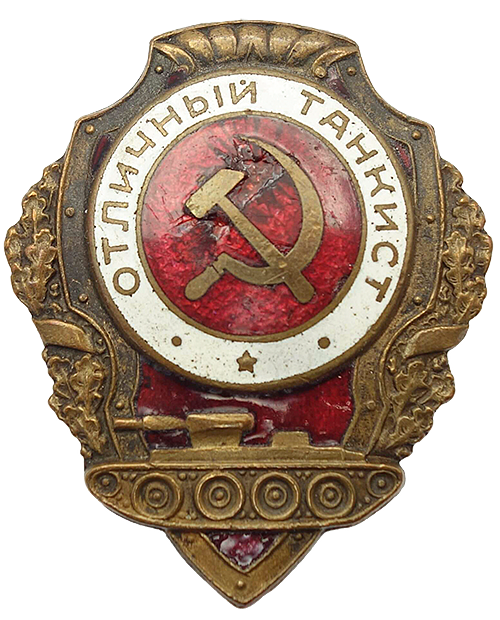 Soviet Excellent Tank Driver
Original WW2 item
](https://www.normandy1944.info/images/patches/Soviet-excellent-tank-driver-badge.png)
[ 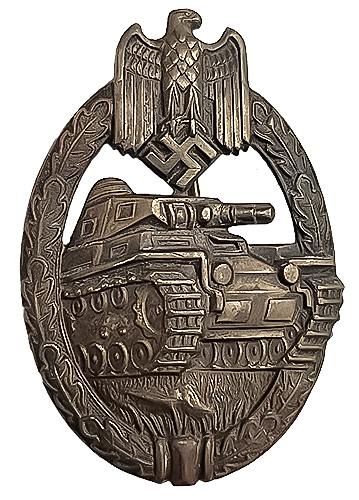 German Panzer
Original WW2 item
](https://www.normandy1944.info/images/patches/German-SS-panzer-badge.png)
[ 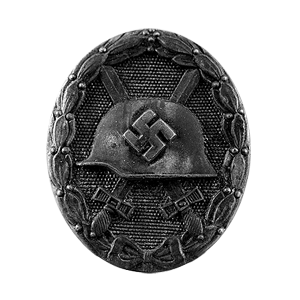 German Verwundeten
Original WW2 item
](https://www.normandy1944.info/images/patches/wound-badge-black-1to2.png)
[ 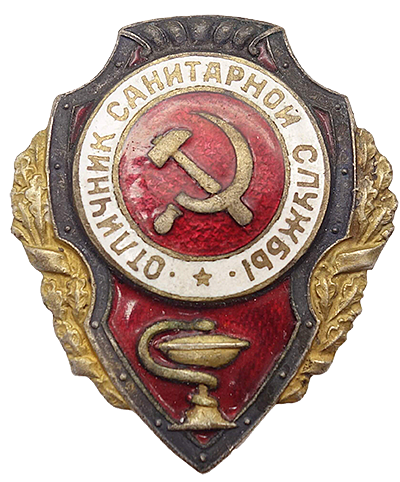 Soviet Medic
Original WW2 item
](https://www.normandy1944.info/images/badges/russian/Russian-medic-badge.png)
[  Russian Medal for Bravery
Original WW2 item
](https://www.normandy1944.info/images/medals/Russian/Soviet-Medal-for-Bravery.png)
[ 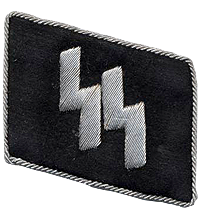 SS Collar insignia
Original WW2 item
](https://www.normandy1944.info/images/patches/ss-sleeve-patch.png)
[ 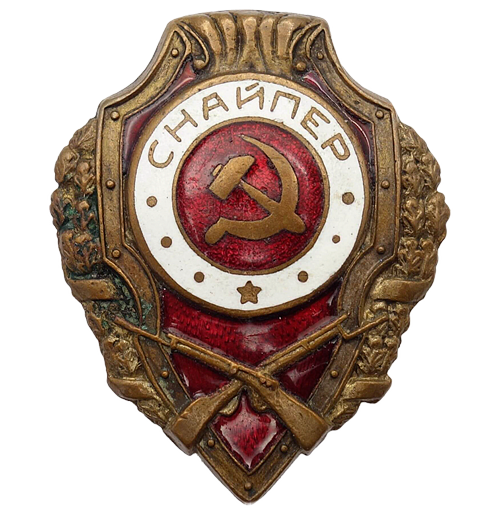 Soviet Sniper
Original WW2 item
](https://www.normandy1944.info/images/patches/Soviet-Excellent-Sniper-Badge.png)
[ 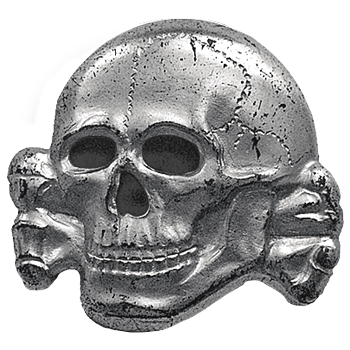 SS Dead head insignia
Original WW2 item
](https://www.normandy1944.info/images/patches/ss-totenkopf-insiginia.png)
Some of these original WW2 badges and insgnias from my own personal collectioin.
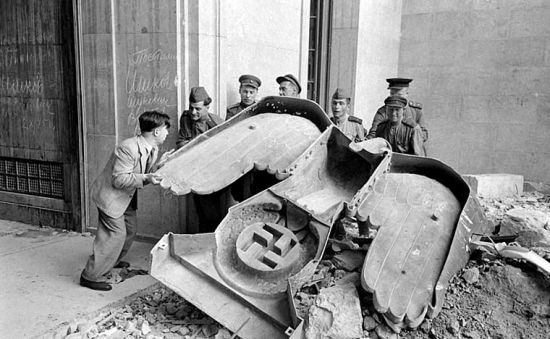
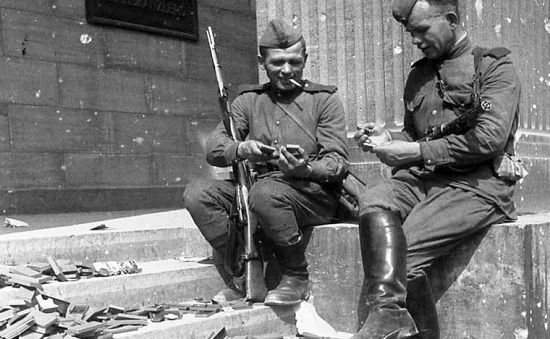
#### Photographs of Battle of Berlin
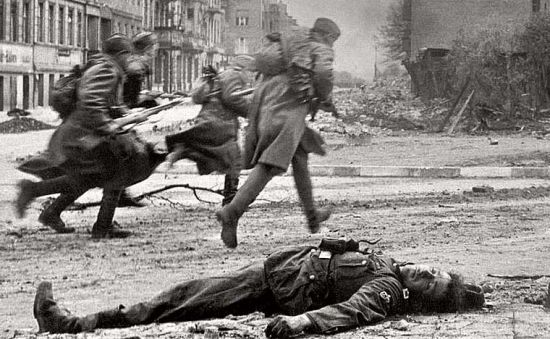Russian soldiers pass a dead German
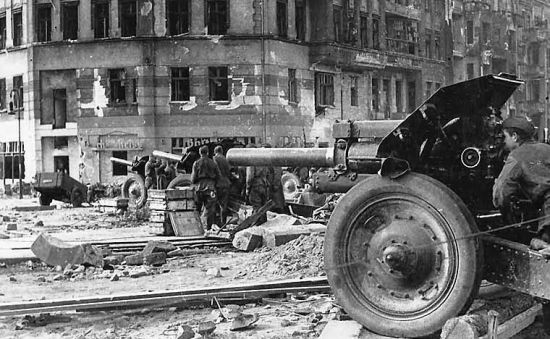Fierce fighting in the streets
[](#)
[](#)
### The Assault on the Reichstag
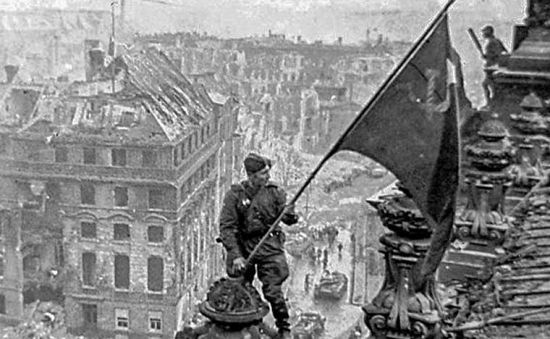
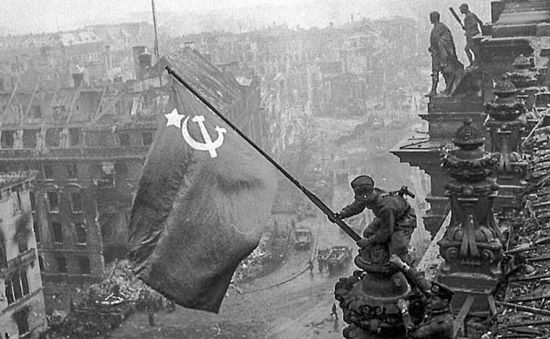
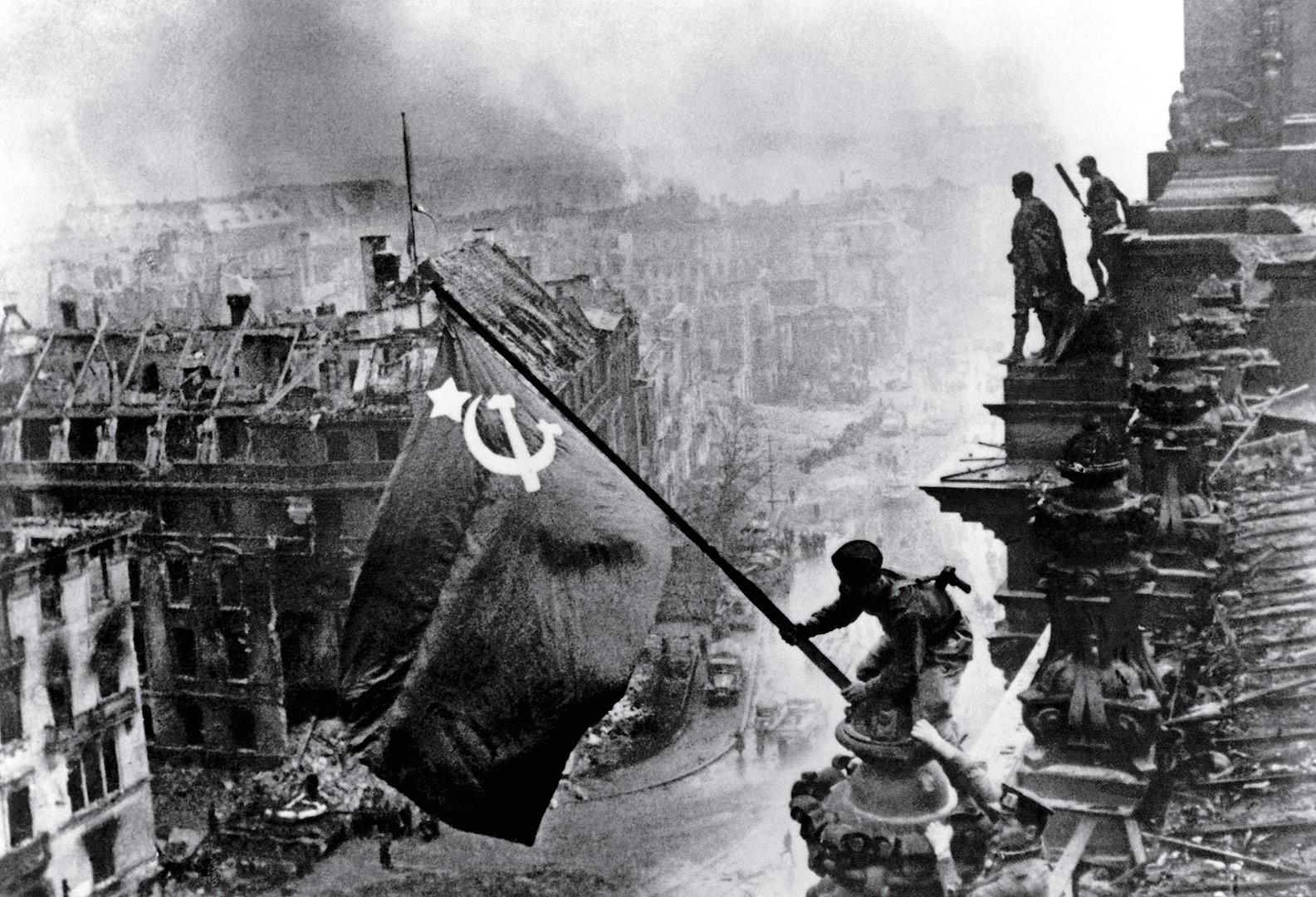
In the early hours of **29 April 1945**, Soviet troops crossed the **Moltke Bridge** and began moving toward the government district. The **Reichstag** had not functioned as a parliament since the fire of **1933**, but it remained an important symbol of German power. On **30 April 1945**, Soviet troops launched their main assault on the Reichstag with artillery support. Fierce fighting followed inside the building, with room-to-room combat and repeated counterattacks.
That evening, Soviet soldiers raised a red flag over the Reichstag, although the building was not fully secured until **2 May 1945**. The famous photograph by **Yevgeny Khaldei**, showing the Soviet flag over the Reichstag, was taken on **2 May 1945** and later edited for dramatic effect.
### The Reichstag flag photograph
The image of the Soviet flag over the Reichstag became one of the most famous photographs of the Second World War. It symbolised the defeat of Nazi Germany and the Soviet victory on the Eastern Front. The photograph was staged after the main fighting for the building had ended. Khaldei brought a flag with him, asked soldiers on the roof to help recreate the moment and later altered the image by adding smoke and removing what appeared to be a second watch from one soldier’s wrist.
### Hitler’s Suicide
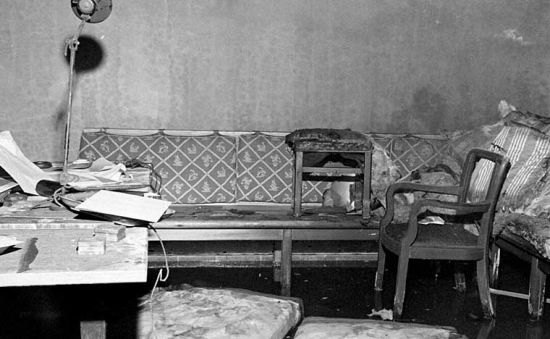
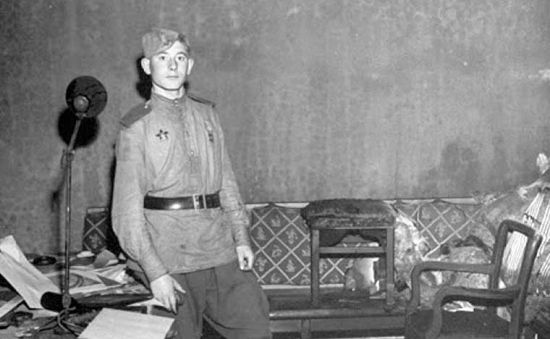
On **29 April 1945**, Hitler married **Eva Braun** in the Führerbunker and dictated his final political testament. The following day, **30 April 1945**, as Soviet troops closed in on the centre of Berlin, Hitler and Eva Braun died by suicide.
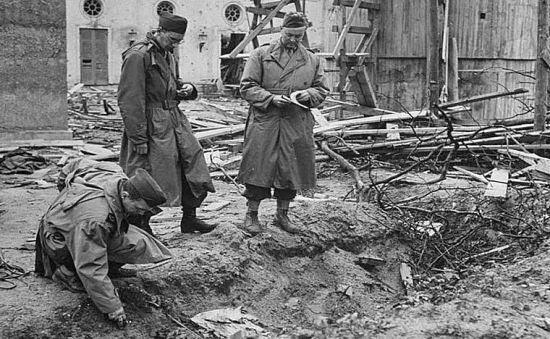
Their bodies were taken outside into the garden of the Reich Chancellery, burned and buried in a shell crater. Hitler’s death marked the final collapse of Nazi leadership in Berlin, although fighting continued for another two days.
### The Nero Decree and Destruction of Berlin
In the final phase of the war, Hitler had ordered the destruction of infrastructure that might be useful to the enemy. This policy became known as the **Nero Decree**. Bridges, transport links, water systems, power stations and other facilities were threatened with destruction.
In Berlin, many bridges were blown up and essential services collapsed. Parts of the underground rail network flooded after explosions damaged tunnels near the **Landwehr Canal**. The exact responsibility for the flooding remains debated, but many civilians sheltering underground died as water spread through the tunnels.
### The Surrender of Berlin
After Hitler’s suicide, organised resistance in Berlin began to collapse. On the night of **1 - 2 May 1945**, remnants of the Berlin garrison attempted to break out toward the west. Some groups tried to reach American lines, but most were killed or captured by Soviet forces. Early on **2 May 1945**, Soviet troops captured the Reich Chancellery area. **General Helmuth Weidling** surrendered with his staff and ordered the remaining defenders of Berlin to lay down their weapons.
Some isolated SS groups continued to resist, but the battle for Berlin was effectively over. The German capital lay in ruins and the Third Reich had collapsed.
### Casualties
The Battle for Berlin caused enormous losses. Soviet archival figures list **81.116 Soviet soldiers dead or missing** during the wider Berlin operation, with **280.251 wounded or sick**. Soviet equipment losses included nearly **2.000 tanks and self-propelled guns**.
German military losses are harder to establish. German research generally estimates approximately **92.000 to 100.000 German soldiers killed**, while Soviet records claimed hundreds of thousands of German prisoners. Civilian deaths are also uncertain, but tens of thousands of civilians died during the fighting and some estimates for the wider operation reach approximately **125.000 civilian deaths**.
### Aftermath
After Berlin fell, the surviving German leadership under **Grand Admiral Karl Dönitz** attempted to negotiate surrender. Germany signed the unconditional surrender at **Reims** on **7 May 1945**, followed by a second signing in Berlin on **8 May 1945**. For most of Europe, **8 May 1945** became known as **Victory in Europe Day**. In the Soviet Union and later Russia, victory was commemorated on **9 May** because of the time difference.
### War Crimes and Civilian Suffering
**Many Soviet soldiers were motivated by revenge after years of German destruction and atrocities in the Soviet Union.** During and after the battle, many civilians suffered from looting, murder and mass sexual violence committed by Soviet troops. Soviet authorities introduced punishments for looting and rape, but the Red Army’s conduct in Berlin left a lasting and deeply traumatic memory among survivors.
### Historical Importance
The Battle for Berlin marked the end of Nazi Germany and the final destruction of Hitler’s regime. It also shaped post-war Europe. Berlin and Germany were divided into occupation zones controlled by the Allied powers and the city later became one of the central symbols of the **Cold War**. The battle remains one of the most destructive urban battles in modern history and one of the defining events in the final collapse of the Third Reich.
### Famous battle quotes
### Reichstag photographer
"When we received orders to leave Nuremberg, I asked an American colleague to photograph me with Göring. Göring remembered that, because of me, he had been hit with a club, and hence he always turned his head aside when I came into the courtroom. When he noticed I wanted to get into the picture with him, he put down his hand in front of his face".
Yevgeny Khaldei
---
[ Get in touch with me ](https://www.normandy1944.info/contact#contact)
### More epic battles of the Second Wold War
[ 
### Battle of Midway
3 June 1942
What was the Battle of Midway? The Battle of Midway, fought between 4 and 7 June 1942, was one of the most decisive naval battles of the Second Worl…
Discover this battle
](https://www.normandy1944.info/home/battles/battle-of-midway)
[ 
### Operation Barbarossa
22 June 1941
What was Operation Barbarossa? Operation Barbarossa was the codename for Nazi Germany's invasion of the Soviet Union, launched on 22 June 1941 durin…
Discover this battle
](https://www.normandy1944.info/home/battles/operation-barbarossa)
[ 
### Battle of Normandy
6 June 1944
What is the Battle of Normandy? The Battle of Normandy (6 June – 25 August 1944) was the decisive Allied campaign to liberate France from German occ…
Discover this battle
](https://www.normandy1944.info/home/battles/battle-of-normandy)
[ 
### Battle of Texel
5 April 1945
What Was the Battle for Texel? The Battle of Texel, also known as the Georgian Revolt on Texel, was one of the final battles fought in Europe during…
Discover this battle
](https://www.normandy1944.info/home/battles/battle-of-texel)
[ 
### Battle of Iwo Jima
19 February 1945
What was the Battle of Iwo Jima? The Battle of Iwo Jima (19 February - 26 March 1945), codenamed Operation Detachment, was one of the bloodiest batt…
Discover this battle
](https://www.normandy1944.info/home/battles/battle-of-iwo-jima)
[ 
### Battle of Stalingrad
17 July 1942
What was the Battle of Stalingrad? The Battle of Stalingrad (17 July 1942 - 2 February 1943) was one of the most decisive and bloodiest battles of t…
Discover this battle
](https://www.normandy1944.info/home/battles/battle-of-stalingrad)
[ 
### Battle of Kursk
5 July 1943
The Battle of Kursk or Operation Citadel was a large and decisive tank battle on the Eastern Front in World War II. It marked the end of the German o…
Discover this battle
](https://www.normandy1944.info/home/battles/battle-of-kursk)
[ 
### Battle of Berlin
16 April 1945
What was the Battle for Berlin? The Battle for Berlin was the final major battle in Europe during the Second World War. It took place from 16 April…
Discover this battle
](https://www.normandy1944.info/home/battles/battle-of-berlin)
[ 
### Battle of the Ardennes
16 december 1944
The Battle of the Bulge, also known as the Battle of the Bulge, was the last major offensive by the German Wehrmacht on the Western Front in World Wa…
Discover this battle
](https://www.normandy1944.info/home/battles/battle-of-the-ardennes)
[ 
### Attack on Pearl Harbor
7 December 1941
What was the Attack on Pearl Harbor? The Attack on Pearl Harbor took place on the morning of 7 December 1941, when the Imperial Japanese Navy launch…
Discover this battle
](https://www.normandy1944.info/home/battles/attack-on-pearl-harbor)
[](#)
[](#)
#### Cite this historical page
I aim to provide open-access accurate historical records. If you are using this content for academic research, articles or educational projects, please use the citation below to credit this source. Click the button below to copy the direct URL for your research or citations.
###### Share this page on social media
The stories on my website are meant to educate people about WW2. You can help by sharing them with your family and friends on your social platforms. Thank you so much for your assistance.
- [](https://x.com/intent/post?url=https%3A%2F%2Fwww.normandy1944.info%2Fhome%2Fbattles%2Fbattle-of-berlin.md&text=)
- [](https://www.facebook.com/sharer/sharer.php?u=https%3A%2F%2Fwww.normandy1944.info%2Fhome%2Fbattles%2Fbattle-of-berlin.md)
- [](http://pinterest.com/pin/create/button/?url=https%3A%2F%2Fwww.normandy1944.info%2Fhome%2Fbattles%2Fbattle-of-berlin.md)
- [](https://api.whatsapp.com/send?text=https%3A%2F%2Fwww.normandy1944.info%2Fhome%2Fbattles%2Fbattle-of-berlin.md)
## Schema
```json
{ "@context": "https://schema.org", "@type": "Article", "mainEntityOfPage": { "@type": "WebPage", "@id": "https://www.normandy1944.info/home/battles/battle-of-berlin" }, "headline": "Battle of Berlin", "description": "The Battle of Berlin was one of the last major offensives of the European theater of WW2", "image": { "@type": "ImageObject", "url": "https://www.normandy1944.info/images/battles/berlin/d-day-normandy-beyond-battles-berlin.jpg" }, "publisher": { "@type": "Organization", "name": "Normandy1944.info – D-Day, Normandy and Beyond", "logo": { "@type": "ImageObject", "url": "https://www.normandy1944.info/images/logo/D-Day-Normandy-1944-WW2-logo.png" } }, "author": { "@type": "Person", "name": "Frank C. Everards", "url": "https://www.normandy1944.info/blog/how-it-started" }, "datePublished": "2020-05-06T10:58:23+02:00", "dateCreated": "2020-05-05T09:58:23+02:00", "dateModified": "2026-07-12T21:40:56+02:00" }
```