---
title: "Auschwitz"
description: "Discover the history and facts of Auschwitz, the largest Nazi concentration and extermination camp complex. Learn about Auschwitz I, Birkenau, Monowitz, the victims, gas chambers, liberation by the Soviet Army and the camp's enduring legacy."
url: "https://www.normandy1944.info/holocaust/concentrationcamps/auschwitz"
date: "2026-07-26T00:10:43+00:00"
language: "en-GB"
---
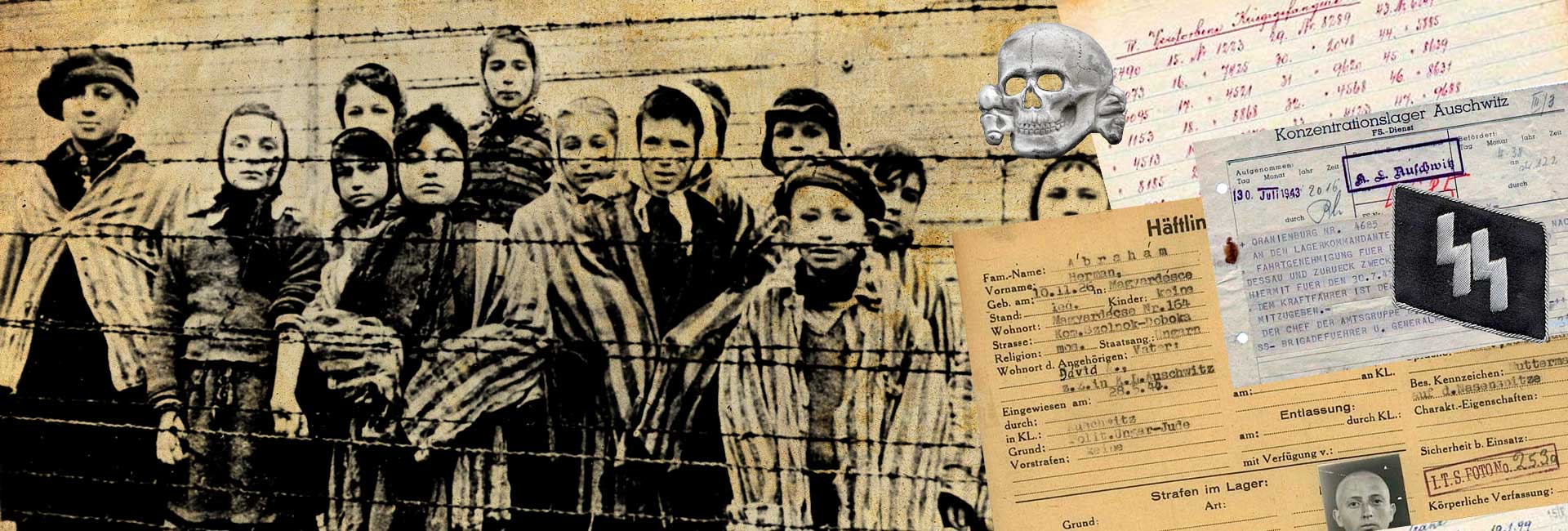
# Auschwitz
## History of Auschwitz Concentration Camp
Victims: ± 1,1 million prisoners lost their lives
[](#) [](#)
- [ Auschwitz](#)
Remember the victims of Auschwitz
**Auschwitz** was the largest Nazi concentration, extermination and forced labor camp complex established during the **Second World War**. Located in and around the occupied Polish town of **Oświęcim**, **(renamed Auschwitz by the German occupiers for administrative purposes)** the camp system operated between **1940** and **1945** and eventually consisted of more than **40 camps and subcamps**. The largest of these were [**Auschwitz I** ](#Auschwitz)(the main camp), [**Auschwitz II-Birkenau** ](#Birkenau)(the extermination camp) and [**Auschwitz III-Monowitz**](#Monowitz) (the labor camp). More than **1,1 million people**, the vast majority of them Jews, were murdered at Auschwitz, making it the largest killing center of the Holocaust and one of the most infamous symbols of Nazi persecution and genocide.
"Survival is a privilege which entails obligations. I am forever asking myself what I can do for those who have not survived".
##### *Simon Wiesenthal*
- [ History ](#history)
- [ Footage ](#footage)
- [ Liberation ](#liberation)
- [ Commanders ](#commanders)
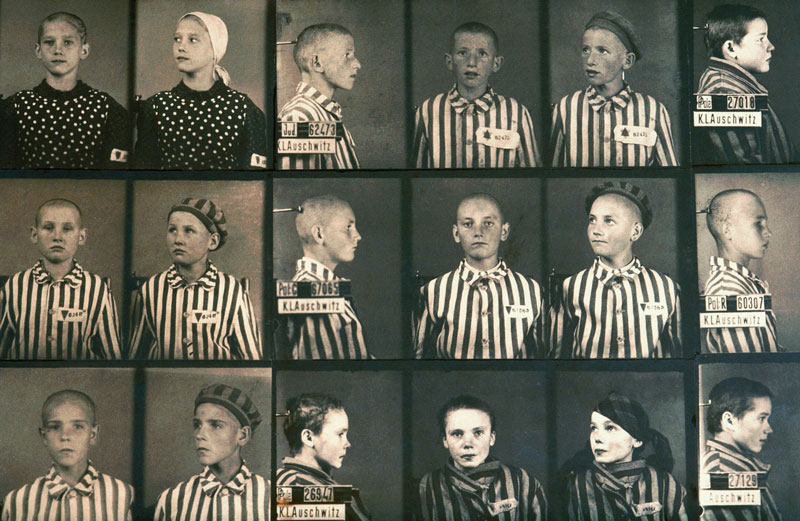### Countless prisoners were photographed
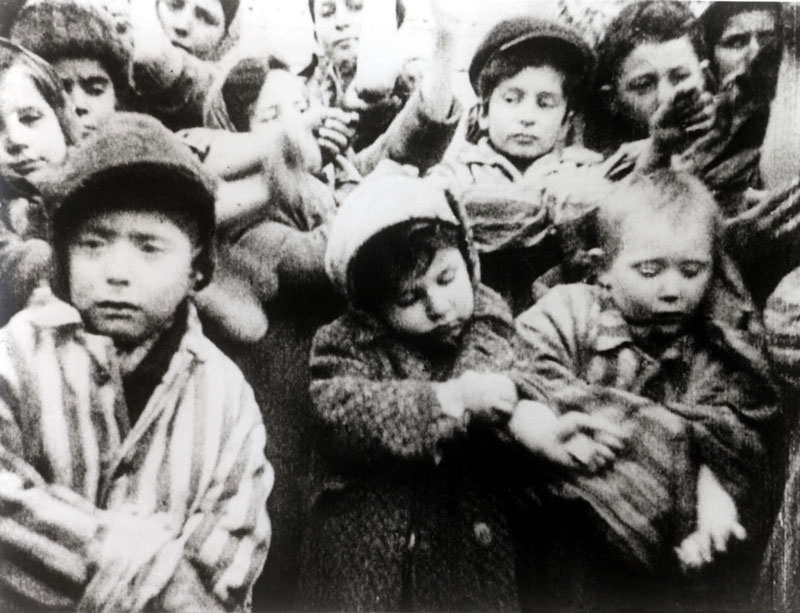### Children showing their tattoos after liberation in 1945
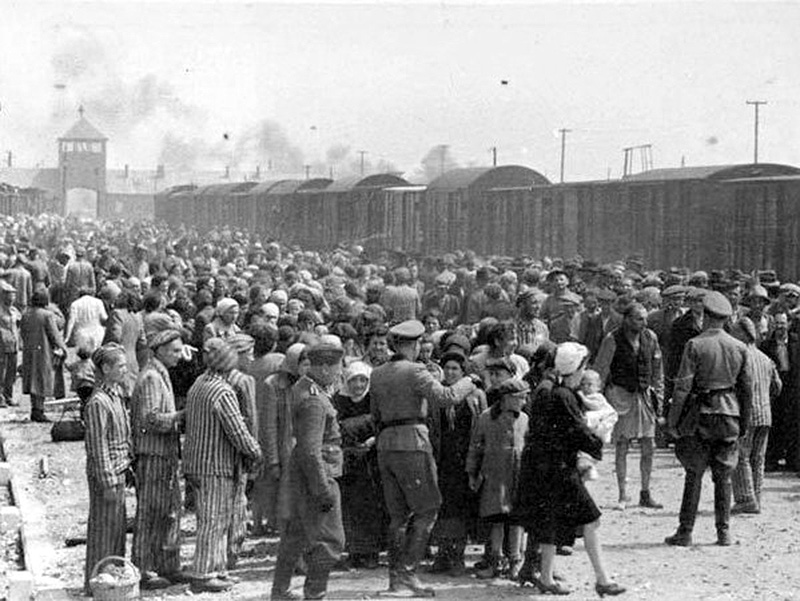### Selection process on the Birkenau ramp
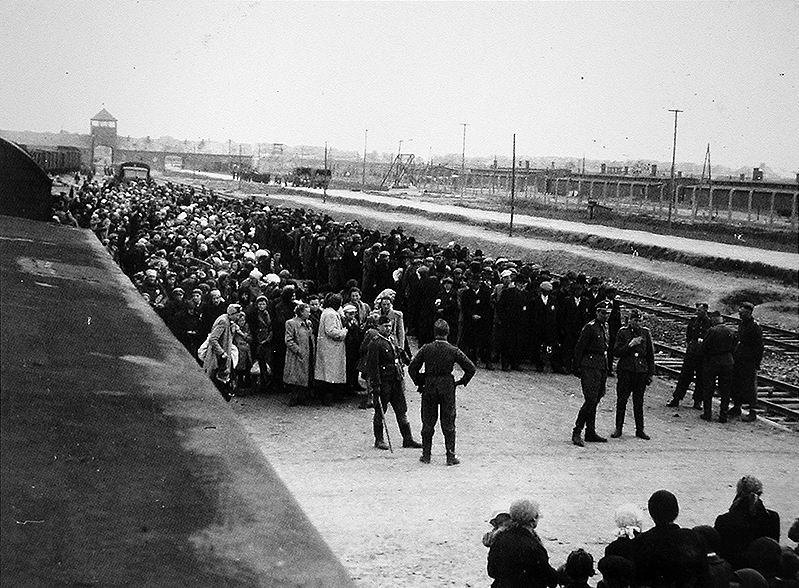### An SS doctor selecting arrivals for forced labor or immediate gassing.
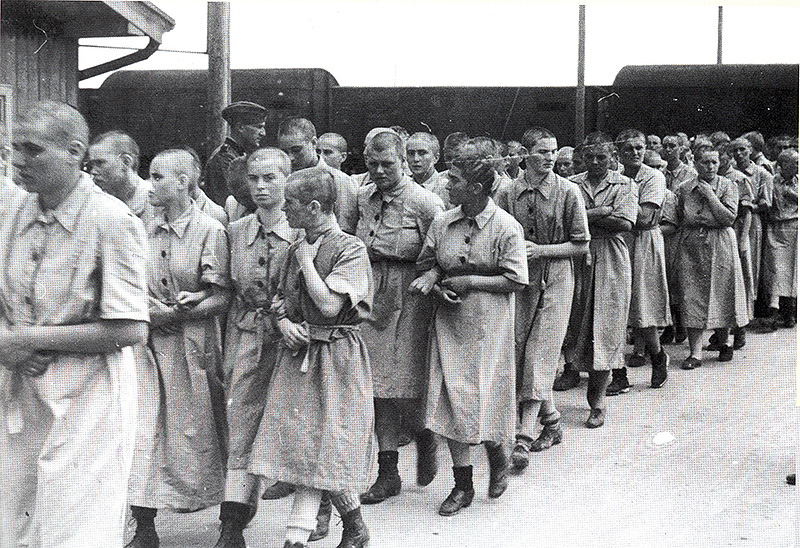### Dehumanization process: Inmates were shaved and tattooed.
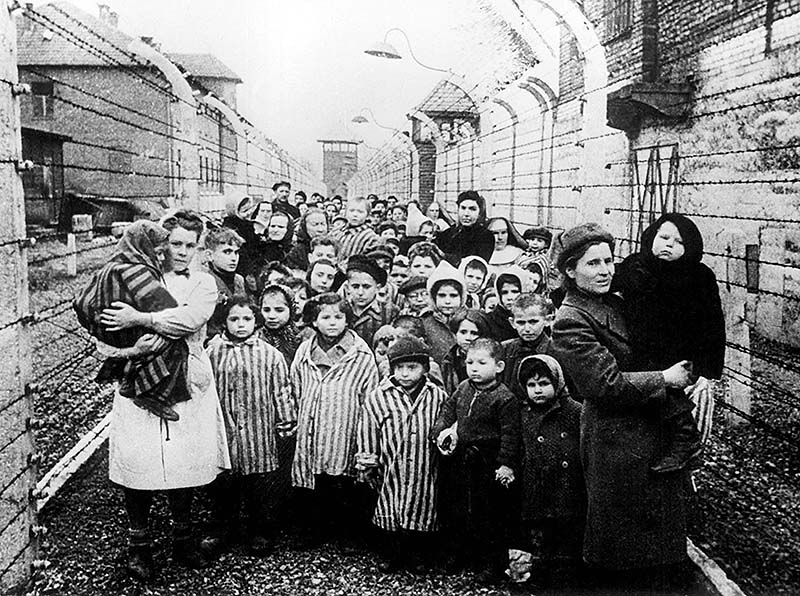### Grim realities: The liberation of Birkenau by the Red Army, January 1945.
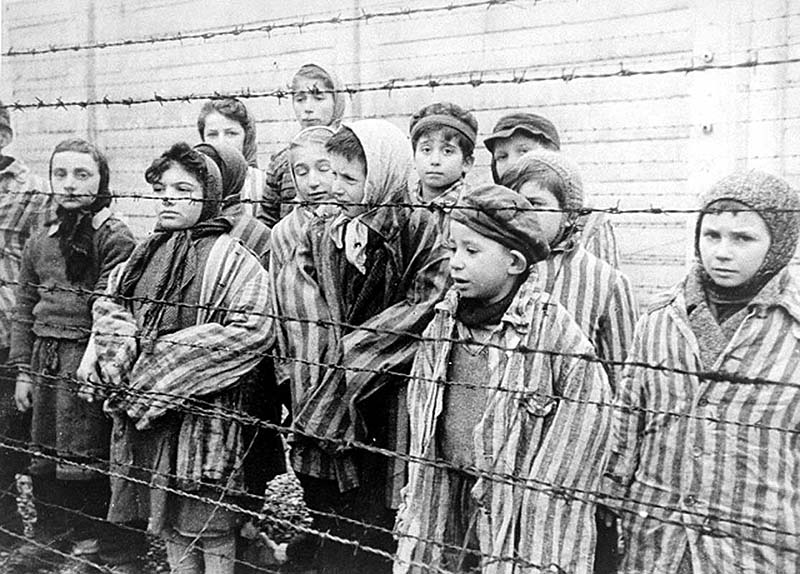### Surviving children behind the camp fences.
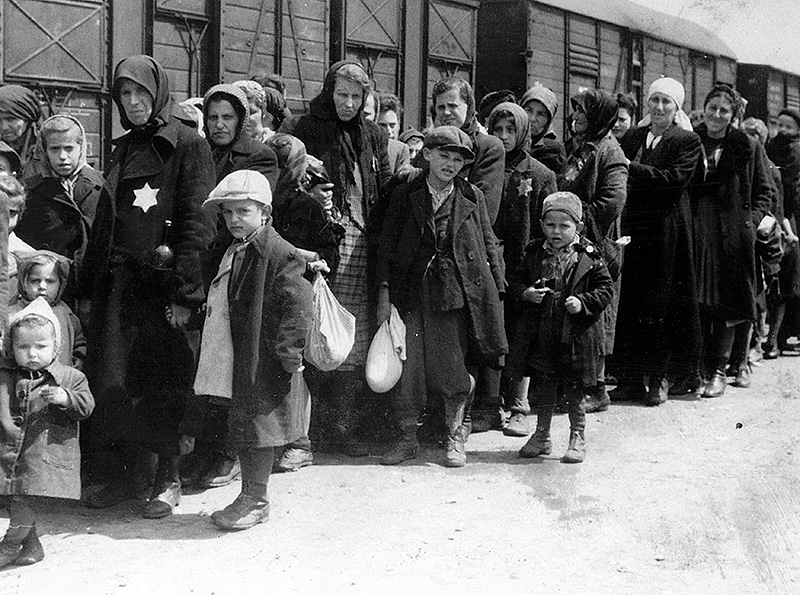### The innocent victims of Birkenau.
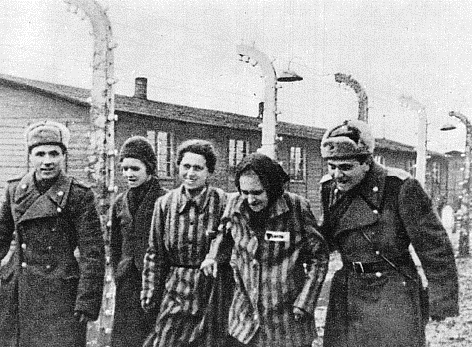### Liberated by the Red Army: Surviving inmates in January 1945.
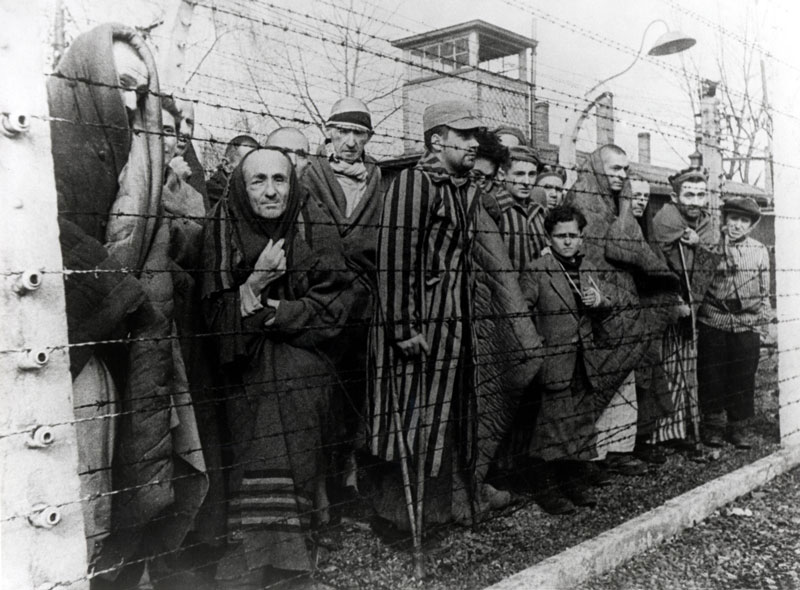### Imprisoned behind the barbed wire of Birkenau.
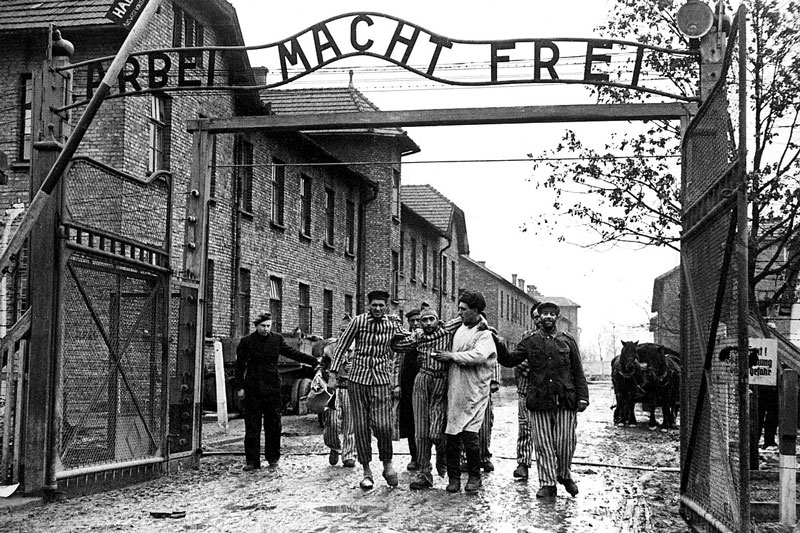### The "Arbeit macht frei" gate at Auschwitz I.
[](#) [](#)
- [Countless prisoners were photographed](#)
- [Children showing their tattoos after liberation in 1945](#)
- [Selection process on the Birkenau ramp](#)
- [An SS doctor selecting arrivals for forced labor or immediate gassing.](#)
- [Dehumanization process: Inmates were shaved and tattooed.](#)
- [Grim realities: The liberation of Birkenau by the Red Army, January 1945.](#)
- [Surviving children behind the camp fences.](#)
- [The innocent victims of Birkenau.](#)
- [Liberated by the Red Army: Surviving inmates in January 1945.](#)
- [Imprisoned behind the barbed wire of Birkenau.](#)
- [The "Arbeit macht frei" gate at Auschwitz I.](#)
Copyright: USHMM, Bundesarchiv, Camps, Arolsen Archives and others (used with permission)
### Establishment and operational history
### Quick Facts
**Location:** Oświęcim, occupied Poland
**Operational:** 1940 - 1945
**Type:** Concentration, extermination and forced labor camp complex
**Main camps:** Auschwitz I, Auschwitz II-Birkenau, Auschwitz III-Monowitz
**Victims:** More than **1,1 million**
**Liberated:** 27 January 1945
**Known for:** Largest Nazi camp complex and central site of the Holocaust
### Origins and Construction
The establishment of **Auschwitz** was a direct consequence of the German invasion of Poland on **1 September 1939**. Following the occupation, thousands of Polish political opponents, intellectuals, resistance members and other people considered enemies of the Reich were arrested by the German authorities. Local prisons quickly became overcrowded, creating the need for a new detention facility within occupied Poland.
Initially, Auschwitz was intended to serve as a concentration camp for Polish political prisoners and as a transit camp for prisoners awaiting deportation to established German concentration camps such as [**Dachau**](https://www.normandy1944.info/holocaust/concentrationcamps/dachau) and [**Sachsenhausen**](https://www.normandy1944.info/holocaust/concentrationcamps/sachsenhausen). The temporary closure of parts of the Dachau concentration camp for SS training purposes further increased the need for additional prisoner accommodation.
In **December 1939**, [**Richard Glücks**](https://www.normandy1944.info/home/commanders/life-and-death-of-richard-gluecks), Inspector of Concentration Camps, proposed the creation of a new concentration camp in occupied Poland. The idea received support from [**Heinrich Himmler**](https://www.normandy1944.info/home/commanders/life-and-death-of-heinrich-himmler) and [**Reinhard Heydrich**](https://www.normandy1944.info/home/commanders/life-and-death-of-reinhard-heydrich). During the following months, the SS examined several possible locations before selecting **Oświęcim**. The town already contained former Polish Army barracks and military facilities that could be converted relatively cheaply into a concentration camp.
The first transport arrived at Auschwitz on **20 May 1940**. It consisted of **30 German criminal prisoners** transferred from Sachsenhausen concentration camp. Carefully selected by the SS, these prisoners were assigned supervisory duties and many later served as **Kapos**.
The first large transport of prisoners arrived on **14 June 1940**, when **728 Polish political prisoners** were deported from **Tarnów prison** to Auschwitz. They were forced to expand the camp, construct new buildings and erect the extensive barbed-wire fencing that would eventually surround the complex. Building materials were often scarce during these early months, and much of the work was carried out under harsh conditions by the prisoners themselves.
At first, Auschwitz was planned within the framework of the existing German concentration camp system and was intended to hold around **10,000 prisoners**. By the end of April 1940, however, **Reichsführer-SS Heinrich Himmler** had already spoken of the need for new waves of mass arrests against the Polish elite. Some prisoners were executed immediately, while others were sent to camps. Auschwitz was therefore expanded to accommodate up to **30,000 prisoners**.
The history of Auschwitz can broadly be divided into two phases. From **1940** until the first months of **1942**, it functioned primarily as a concentration camp for Polish political prisoners and other inmates. From **1942** until late **1944**, Auschwitz continued to function as a concentration camp but also became the largest center for the immediate mass murder of Jews deported there as part of the Nazi **Final Solution**.
### Maximilian Kolbe and the Ultimate Sacrifice in Block 11
At the end of **July 1941**, Auschwitz Lagerführer **Karl Fritzsch** implemented a brutal policy of collective punishment following the escape of a prisoner. In retaliation, Fritzsch selected ten hostages from the inmates of **Block 14**, condemning them to death by starvation in the underground bunker of **Block 11**. During the selection, a Polish Franciscan friar named [**Maximilian Kolbe**](https://en.wikipedia.org/wiki/Maximilian_Kolbe) (prisoner number **16670**) stepped forward and volunteered to take the place of [**Franciszek Gajowniczek**](https://en.wikipedia.org/wiki/Franciszek_Gajowniczek) (prisoner number **5659**), who had broken down in tears fearing he would never see his wife and children again. After a brief exchange, Fritzsch accepted the substitution, reportedly after learning that Kolbe was a Catholic priest.
The ten condemned men were taken to the starvation cells of Block 11. While Gajowniczek survived the war and lived until **1995**, Father Kolbe remained in the bunker for nearly two weeks.
After nearly two weeks, the SS guards administered lethal injections of carbolic acid to the four remaining prisoners. Witnesses later recalled that Kolbe calmly raised his left arm and awaited the injection.
> **Maximilian Kolbe** died on **14 August 1941**.
His body was cremated the following day, **15 August**, the feast of the **Assumption of Mary** in the Roman Catholic Church. For his extraordinary act of self-sacrifice, **Maximilian Kolbe** was canonized by **Pope John Paul II** in **October 1982**. Today he remains one of the most widely known victims of Auschwitz and a symbol of courage and humanity in the face of unimaginable brutality.
### The first Zyklon B experiments
In **August 1941**, **[SS-Hauptsturmführer Karl Fritzsch](https://www.normandy1944.info/home/commanders/life-and-death-of-karl-fritzsch)**, deputy commandant of Auschwitz, conducted the first known [Zyklon B](https://www.normandy1944.info/holocaust/concentrationcamps) gassing experiments in the basement of Block 11. The tests, carried out on Soviet prisoners of war and sick inmates, convinced the camp leadership that Zyklon B could be used for mass killing and paved the way for the later extermination facilities at Auschwitz-Birkenau.
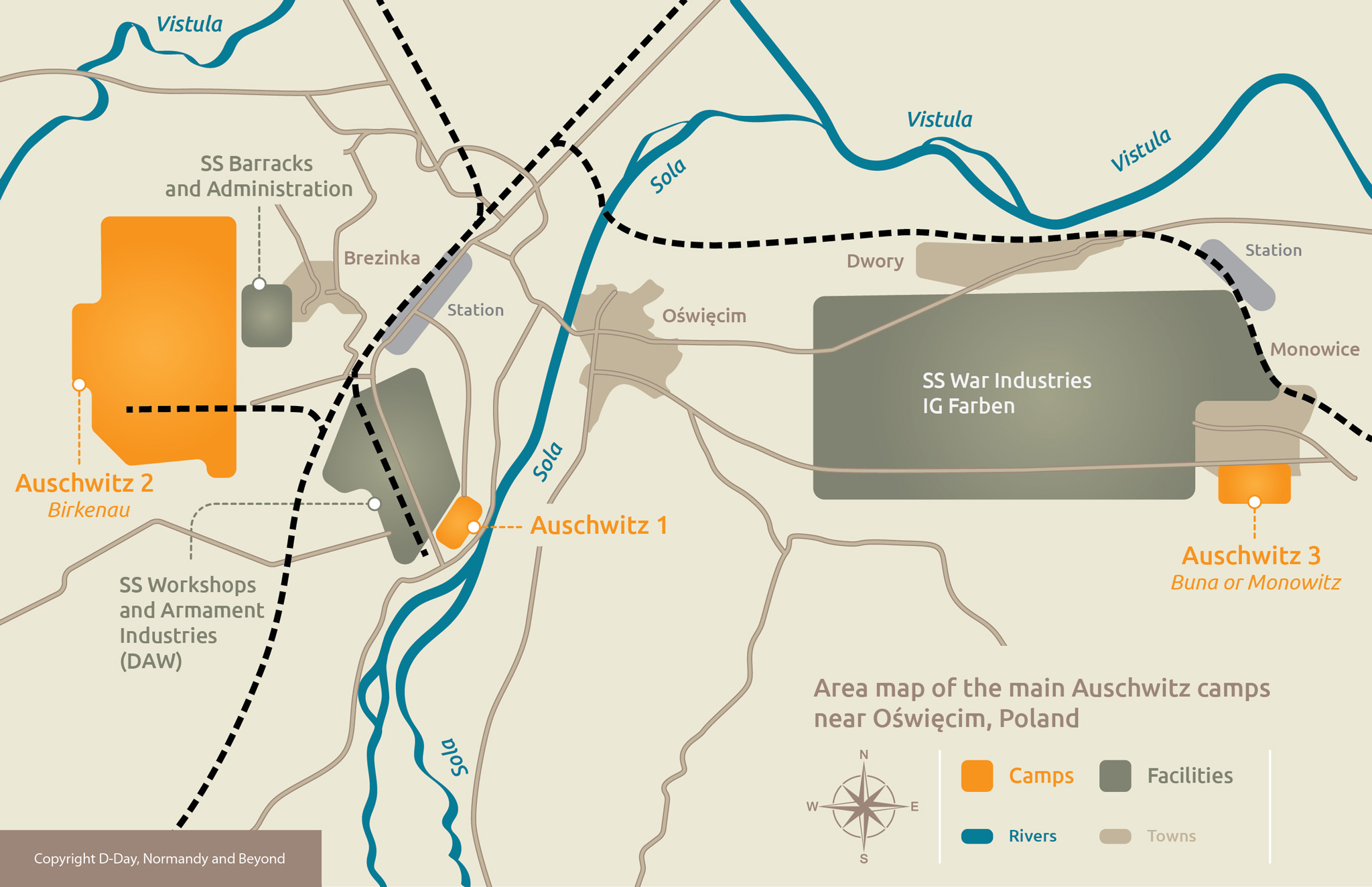
### Map of the area around the main Auschwitz camps
### Auschwitz I - The Main Camp
**Auschwitz I**, also known as the **Stammlager** or main camp, was the original camp established by the SS in Oświęcim. It was created in former Polish military barracks and became the administrative center of the entire Auschwitz complex. The camp originally consisted of **22 pre-war Polish military brick barracks**. Over time, it expanded in both size and function. Auschwitz I contained prisoner barracks, SS offices, punishment blocks, execution areas, workshops and the infamous **Block 11**, known as the death block.
In the early years, Auschwitz I held mainly Polish political prisoners, but its prisoner population later included Jews, Soviet prisoners of war, Roma, resistance members, prisoners from occupied Europe and others targeted by the Nazi regime. The name **Auschwitz** was the Germanized name for Oświęcim. Over time, the name became associated not only with the original camp, but with the entire system of camps, subcamps, forced labor sites and extermination facilities built and operated by the SS in the surrounding area.
### Auschwitz II - Birkenau
**Auschwitz II-Birkenau** was built near the village of **Brzezinka**, known in German as **Birkenau**. Construction began in **October 1941**. It became the largest part of the Auschwitz complex and the main site of mass extermination. Original plans involved the use of Soviet prisoners of war to build the camp. Around **10,000 Soviet POWs** were brought to the area, including men transferred from camps such as **Neuhammer am Queis** and **Lamsdorf**. Many died from starvation, disease, exhaustion and brutal treatment.
Birkenau was initially planned partly as a camp for prisoners of war, but from **1942** it became a central killing site for Jews deported from across German-occupied Europe. Cattle trains brought people from countries including Poland, Hungary, the Netherlands, France, Greece, Slovakia, Belgium, Germany, Austria, Italy and others. Most victims deported to Birkenau were murdered shortly after arrival in the gas chambers. Others were selected for forced labor and endured starvation, overcrowding, disease, violence and constant fear of selection and death.
### Auschwitz III - Monowitz
**Auschwitz III-Monowitz** was established near the village of **Monowice**, known in German as **Monowitz**. It developed as a forced labor camp connected to the industrial ambitions of **IG Farben**. Construction of the industrial site began in **1941**. IG Farben planned to build a large synthetic rubber and fuel plant known as **Buna-Werke**. The company reached agreements with the SS to use prisoners from Auschwitz as forced laborers at very low cost.
Local Polish residents were expelled from the area, and Jewish residents and some Polish families were driven from their homes. Property was confiscated and repurposed to support the industrial complex and its workforce. Prisoners at Monowitz were subjected to exhausting labor, poor nutrition, violence and deadly working conditions. Those who became too weak or ill to work were often sent back to Auschwitz I or Birkenau, where many were killed by lethal injection, in the gas chambers or through neglect and abuse.
### Life in the Camp
Life in Auschwitz was shaped by hunger, exhaustion, fear, humiliation and violence. Prisoners were stripped of their personal belongings, shaved, registered and often tattooed with prisoner numbers. They were forced into overcrowded barracks and subjected to a brutal system of discipline and punishment. Food rations were deliberately inadequate. Prisoners suffered from starvation, disease, cold, poor sanitation and relentless forced labor. Beatings and executions were common. The SS used prisoners as labor, but also treated them as disposable.
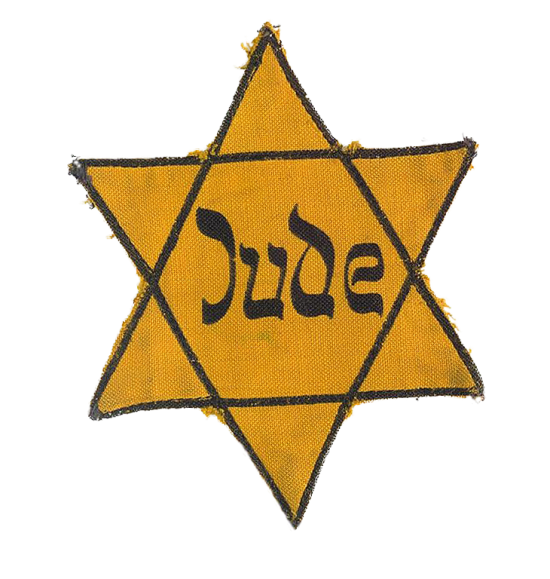
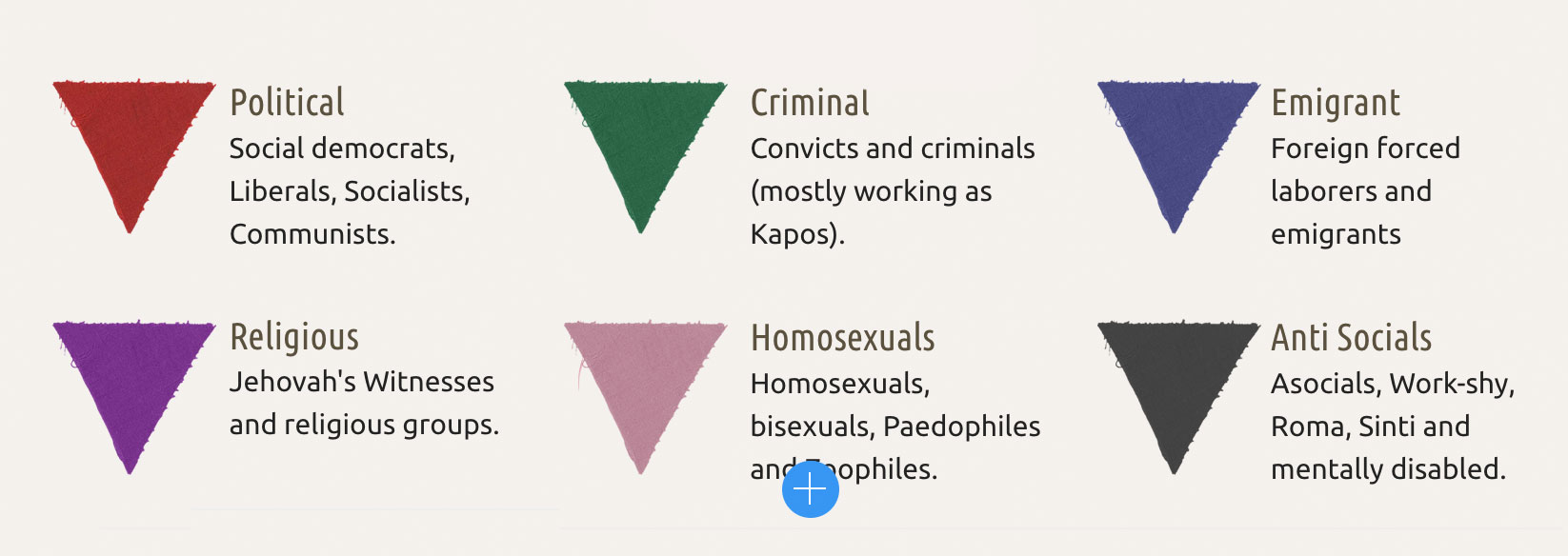
Different prisoner groups were marked by colored triangles and other symbols. These included **Jews**, **Polish** **political prisoners**, **Roma** and **Sinti**, **Soviet prisoners of war**, **Jehovah's Witnesses**, **homosexual prisoners**, so-called asocial prisoners and others persecuted by Nazi Germany. Survival often depended on chance, physical condition, work assignment, access to food, the help of other prisoners and the constantly changing decisions of the SS.
### Colors of the badges for concentration camp prisoners
### The Selection Process
The selection process was one of the most terrifying features of Auschwitz-Birkenau. When deportation trains arrived at the camp, prisoners were forced from the wagons and divided by SS doctors and officers. Those considered fit for forced labor were sent into the camp. Those judged unfit, including many children, elderly people, mothers with young children, sick prisoners and disabled people, were sent directly to the gas chambers.
**SS doctors** such as [**Josef Mengele**](https://www.normandy1944.info/stories/scientists-and-engineers-of-ww2/josef-mengele) took part in selections. Mengele also became infamous for medical experiments, especially on twins, children and people with dwarfism. For many deportees, the selection ramp was the moment that determined immediate life or death. Families were separated within minutes, often without understanding what was about to happen.
### Gas Chambers and Crematoria
Most victims murdered at Auschwitz were killed in the gas chambers of **Auschwitz II-Birkenau**. The SS used **Zyklon B**, a cyanide-based pesticide originally used for delousing and pest control. The first experimental gassings at Auschwitz took place in **Block 11** of Auschwitz I in **1941**, when Soviet prisoners of war and Polish prisoners were murdered using Zyklon B. The experiment was carried out under SS supervision and helped lead to the later development of mass gassing procedures at Birkenau.
At Birkenau, gas chambers and crematoria were built to murder large numbers of people and dispose of their bodies. Victims were often told they were going to take showers, a deception designed to prevent panic and resistance.
The bodies of the murdered were burned in crematoria or open-air pits. Prisoners forced to work in the gas chambers and crematoria were known as **Sonderkommando**. Their work was one of the most horrific roles imposed on prisoners in the camp.
### Resistance and Escape Attempts
Despite the extreme danger, prisoners resisted in many ways. Resistance included sharing food, preserving religious and cultural life, documenting crimes, sabotaging work, organizing underground networks and attempting escape. More than **800 prisoners** are known to have attempted escape from Auschwitz. Some succeeded, while many were captured and executed. Escape attempts often led to brutal reprisals against other prisoners.
One of the most important acts of resistance was the **Sonderkommando uprising** on **7 October 1944**. Prisoners assigned to the crematoria attacked SS guards and destroyed part of Crematorium IV. The revolt was ultimately crushed, and many participants were killed. Other prisoners, including members of the underground resistance inside the camp, smuggled information to the outside world and helped document the crimes being committed at Auschwitz.
### Liberation
As the **Soviet Red Army** approached Auschwitz in **January 1945**, the SS evacuated most of the remaining prisoners. Tens of thousands were forced onto death marches toward other camps in the west. Many died from cold, exhaustion, starvation or shootings along the way. On **27 January 1945**, Soviet troops liberated Auschwitz. They found around **7.000 surviving prisoners**, many of them sick, starving and near death. They also discovered evidence of mass murder, including warehouses of victims' belongings.
> The date of liberation, **27 January**, is now commemorated as **International Holocaust Remembrance Day**.
After the war, survivors such as **Primo Levi**, **Viktor Frankl** and **Elie Wiesel** wrote about their experiences, helping the world understand the horror of Auschwitz and the Holocaust.
### Victims
More than **1.1 million people** were murdered at Auschwitz. The vast majority were Jews deported from across German-occupied Europe. Auschwitz became the largest killing center of the Holocaust. The victims also included tens of thousands of non-Jewish Poles, Roma and Sinti, Soviet prisoners of war and people from many other countries and groups persecuted by Nazi Germany.
Many victims were murdered immediately after arrival. Others died from starvation, forced labor, disease, executions, medical experiments, beatings and the general brutality of camp life. The scale of the victims makes Auschwitz one of the central symbols of the Holocaust and Nazi genocide.
### Approximate victim groups at Auschwitz:
- **Jews:** approximately 1.000,000
- **Polish prisoners:** approximately 70,000 - 75,000
- **Roma and Sinti:** approximately 21,000
- **Soviet prisoners of war:** approximately 15,000
- **Others:** approximately 10,000 - 15,000
### Eyewitness stories
To learn more about the people imprisoned and murdered at Auschwitz, read some of the personal stories preserved on Normandy1944.info. These eyewitness accounts help illustrate the human impact behind the statistics.
- [Dario Gabbai](https://www.normandy1944.info/holocaust/dario-gabbai)
- [Robert Cohen](https://www.normandy1944.info/holocaust/robert-cohen)
- [Lotty Veffer](https://www.normandy1944.info/holocaust/lotty-charlotte-veffer)
- [Hartog Kalkoene](https://www.normandy1944.info/holocaust/hartog-harry-kalkoene)
### Commandants
The first and most infamous commandant of Auschwitz was **Rudolf Höss**, who played a central role in the development of the camp as a site of mass murder. Höss later testified about the workings of Auschwitz after the war and was executed at the former camp site in **1947**. Other senior SS personnel served in command and administrative roles throughout the camp complex. The SS system relied not only on commandants, but also on **guards**, **doctors**, **administrators**, **labor managers** and **companies** that benefited from forced labor.
> Only a minority of Auschwitz SS personnel were ever brought to trial after the war. Around **789 SS personnel** connected to Auschwitz stood trial, representing only a small fraction of those who served in the camp system.
### Legacy
After the war, Auschwitz became one of the most important symbols of the Holocaust. The **Auschwitz-Birkenau State Museum** was founded in **1947** on the site of the former camp, and in **1979** it was designated a **UNESCO World Heritage Site**. Auschwitz is preserved as a memorial, museum and place of education. It stands as evidence of Nazi crimes and as a warning about the consequences of antisemitism, racism, dictatorship, dehumanization and genocide.
The question of why the Allies did not bomb Auschwitz or the railway lines leading to it remains historically controversial. Reports about mass murder reached the outside world during the war, but the response was limited and remains debated by historians.
Today, Auschwitz remains one of the most visited and most studied sites connected to the Second World War. Its history is central to understanding the Holocaust and the human consequences of Nazi ideology.
### Camp statistics
- Slogan:
Arbeit macht frei
- In operation from:
May 1940 – January 1945
- Prisoners during operation:
± 1,3 million people
- Recorded deaths:
± 1,1 million people
---
### Location map
 OpenStreetMap service required
to load this map.
OpenStreetMap service required
to load this map.
Location: Oswiecim, Poland
---
[ Official website or memorial ](http://auschwitz.org/en/)
---
Page updated on: 17 July 2026
### The victims, survivors and liberators of Auschwitz
The history of Auschwitz is not only told through dates and statistics, but through the lives of the people who suffered there and those who witnessed its liberation. Survivors carried the memories of the camp for the rest of their lives, while Allied soldiers were confronted with scenes they would never forget. Their stories help ensure that the victims, surviors and liberators are remembered as individuals rather than numbers.
[ 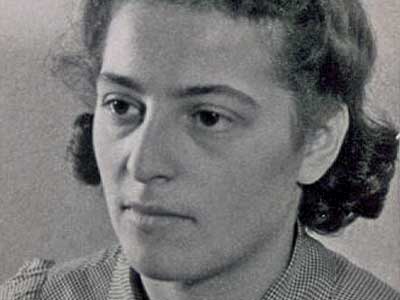
### Lotty Charlotte Veffer
Survivor
A few days after the Kindertransport left, Lotty is employed by the Philips Kommando. Now being a 'skilled worker' she receives a slig…
Read the stoy
](https://www.normandy1944.info/holocaust/lotty-charlotte-veffer)
[ 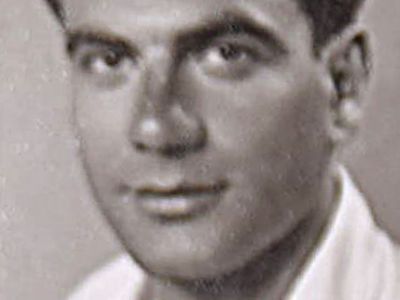
### Dario Gabbai
Survivor
On March 24, 1944, my family and I were arrested and placed in Hidari Prison in Athens. On April 1, 1944, we were loaded into cattle w…
Read the stoy
](https://www.normandy1944.info/holocaust/dario-gabbai)
[](#)
[](#)
###### Original video footage
Copyright of this video: Footage Farm Ltd
##### Real eyewitness testimony from Auschwitz
### When did Auschwitz cease to exist?
### The camp ceased operations on: 27th January 1945 following its liberation by soldiers of the following unit(s)
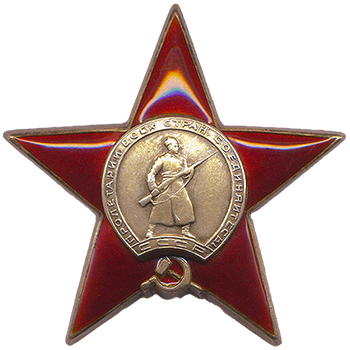### 322nd Rifle Division Red Army
[](#)
[](#)
##### Auschwitz camp commmanders
An overview of the people who ordered and inflicted the atrocities on the prisoners.
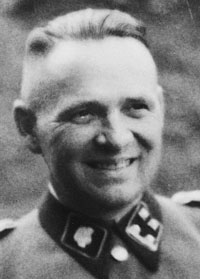
### Rudolf Höss
Commandant from May 1940 to November 1943
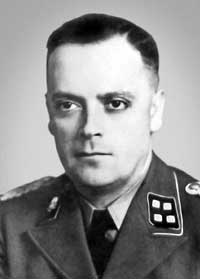
### Arthur Liebehenschel
Commandant from November 1943 to May 1944
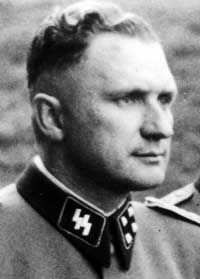
### Richard Baer
Commandant from May 1944 to January 1945
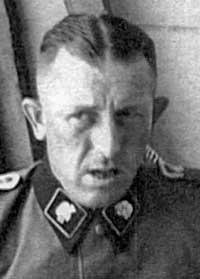
### Friedrich Hartjenstein
Commander Birkenau from November 1943 to November 1944
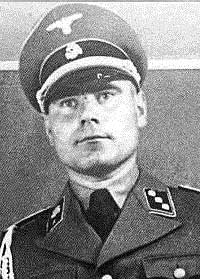
### Josef Kramer
Commander Birkenau from November 1944
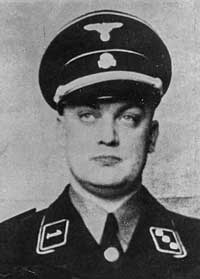
### Heinrich Schwarz
Commander Monowitz
[](#) [](#)
[](#)
###### Other concentration camps
[ 
### Dachau
Upper Bavaria, Southern Germany
](https://www.normandy1944.info/holocaust/concentrationcamps/dachau)
[ 
### Auschwitz
Oswiecim, Poland
](https://www.normandy1944.info/holocaust/concentrationcamps/auschwitz)
[ 
### Natzweiler-Struthof
Natzweiler, France
](https://www.normandy1944.info/holocaust/concentrationcamps/natzweiler-struthof)
[ 
### Workcamp Geesbrug
Geesbrug, The Netherlands
](https://www.normandy1944.info/holocaust/concentrationcamps/workcamp-geesbrug)
[ 
### Sobibor
Sobibor, Poland
](https://www.normandy1944.info/holocaust/concentrationcamps/sobibor)
[ 
### Kamp Schoorl
Schoorl, The Netherlands
](https://www.normandy1944.info/holocaust/concentrationcamps/kamp-schoorl)
[ 
### Majdanek
Lublin, Poland
](https://www.normandy1944.info/holocaust/concentrationcamps/majdanek)
[ 
### Neuengamme
Hamburg, Northern Germany
](https://www.normandy1944.info/holocaust/concentrationcamps/neuengamme)
[ 
### Camp Erika
Ommen, The Netherlands
](https://www.normandy1944.info/holocaust/concentrationcamps/camp-erika)
[ 
### Mauthausen
Mauthausen, Upper Austria
](https://www.normandy1944.info/holocaust/concentrationcamps/mauthausen)
[ 
### Buchenwald
Weimar, Germany
](https://www.normandy1944.info/holocaust/concentrationcamps/buchenwald)
[ 
### Ravensbrück
Fürstenberg/Havel, Germany
](https://www.normandy1944.info/holocaust/concentrationcamps/ravensbrueck)
[ 
### Bergen Belsen
Lower Saxony, Northern Germany
](https://www.normandy1944.info/holocaust/concentrationcamps/bergen-belsen)
[ 
### Westerbork
Westerbork, the Netherlands
](https://www.normandy1944.info/holocaust/concentrationcamps/westerbork)
[ 
### Kamp Vught
Vught, Netherlands
](https://www.normandy1944.info/holocaust/concentrationcamps/kamp-vught)
[ 
### Amersfoort
Amersfoort, The Netherlands
](https://www.normandy1944.info/holocaust/concentrationcamps/amersfoort)
[ 
### Sachsenhausen
Oranienburg, Germany
](https://www.normandy1944.info/holocaust/concentrationcamps/sachsenhausen)
[ 
### Mittelbau Dora
Nordhausen, Germany
](https://www.normandy1944.info/holocaust/concentrationcamps/mittelbau-dora)
[ 
### Flossenbürg
Flossenbürg, Germany
](https://www.normandy1944.info/holocaust/concentrationcamps/flossenbuerg)
[](#) [](#)
#### Cite this historical page
I aim to provide accurate, open-access accurate historical records. If you are using this content for academic research, articles or educational projects, please use the citation below to credit this source. Click the button below to copy the direct URL for your research or citations.

#### Help to share this page on social media
The stories on my website are meant to educate people about WW2. You can help by sharing them with your family and friends on your social platforms. Thank you so much for your assistance.
- [](https://www.facebook.com/Normandy1944)
- [](https://www.instagram.com/Normandy1944)
- [](https://www.twitter.com/Normandy_1944)
## Schema
```json
{ "@context": "https://schema.org", "@type": "Article", "mainEntityOfPage": { "@type": "WebPage", "@id": "https://www.normandy1944.info/holocaust/concentrationcamps/auschwitz" }, "headline": "Auschwitz", "description": "Discover the history and facts of Auschwitz, the largest Nazi concentration and extermination camp complex. Learn about Auschwitz I, Birkenau, Monowitz, the victims, gas chambers, liberation by the Soviet Army and the camp's enduring legacy.", "image": { "@type": "ImageObject", "url": "https://www.normandy1944.info/images/photos/Holocaust/Auschwitz/d-day-normandy-beyond-auschwitz-007.jpg" }, "publisher": { "@type": "Organization", "name": "Normandy1944.info – D-Day, Normandy and Beyond", "logo": { "@type": "ImageObject", "url": "https://www.normandy1944.info/images/logo/D-Day-Normandy-1944-WW2-logo.png" } }, "author": { "@type": "Person", "name": "Frank C. Everards", "url": "https://www.normandy1944.info/blog/how-it-started" }, "datePublished": "2026-06-08T12:14:08+02:00", "dateCreated": "2026-06-08T12:14:08+02:00", "dateModified": "2026-07-17T10:37:27+02:00" }
```